By Root & Evidence Editorial | Research reviewed November 5, 2026
Medical disclaimer: This article is for educational purposes only and summarizes published scientific research alongside practical culinary information. It is not medical advice, a personalized dosage recommendation, or a substitute for professional care. Consult your primary care provider, pharmacist, or another qualified healthcare professional before beginning moringa supplementation, especially if you take medications, are pregnant or breastfeeding, or manage a medical condition. The recipes below are illustrative food preparations, not clinically tested treatments.
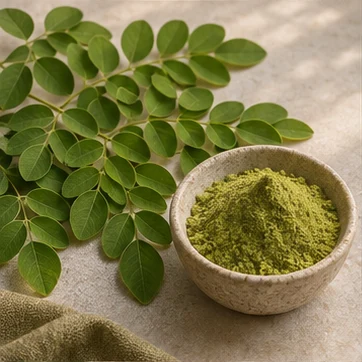
Moringa powder has become increasingly popular among people looking for ways to incorporate more plant-based ingredients into their diets. Made from the dried leaves of the Moringa oleifera tree, this green powder contains nutrients and naturally occurring plant compounds that have attracted interest from nutrition researchers. You may have seen it mixed into smoothies, stirred into warm tea, added to yogurt, or incorporated into traditional dishes such as soups and curries. However, if you have ever opened a container of moringa powder and wondered what to do with it, you are certainly not alone. Its earthy, grassy, sometimes bitter flavor can make it difficult to enjoy on its own, especially if you are expecting something mild or naturally sweet.
Moringa powder can be mixed into smoothies, water, tea, milk, yogurt, oatmeal, soups, sauces, dressings, and baked goods. For most beginners, a smoothie or yogurt bowl is an approachable way to experiment with the ingredient because fruit and other flavors can soften its bitterness. However, the amount you use, how you prepare it, and the product you choose all deserve consideration. Moringa is a nutrient-containing food ingredient, but there is no established therapeutic daily dose for the general population, and mixing it into a drink does not automatically provide the benefits often advertised by supplement companies.
Scientific research also raises questions that everyday recipes rarely address. Studies have investigated moringa leaf powder in meals, capsules, and nutritional interventions, but the amounts used have varied substantially, and the findings are not uniformly positive. Some researchers have reported improvements in selected nutritional or metabolic measurements, while others have found little or no meaningful difference compared with control groups. Processing and cooking can also change the composition of certain plant compounds, making it important to distinguish the nutritional characteristics of a food from claims about clinical outcomes.
At Root & Evidence, we believe a useful supplement guide should help you understand both how to use an ingredient and what research actually supports. We compare study designs, participant populations, doses, preparations, and outcomes rather than assuming that an interesting biological mechanism guarantees a health benefit. You can explore the broader evidence in our complete moringa research guide, which examines human clinical trials and important safety considerations. This article focuses on practical ways to use moringa powder in drinks and foods, how different preparation methods compare, what studies tell us about consuming it, and how to make informed decisions about product quality.
Important safety update: In 2026, the CDC and FDA investigated several Salmonella outbreaks and product recalls involving moringa leaf powder and supplements. A September 4, 2026 FDA recall also affected specific Foods Alive organic moringa powder packages. Before preparing any recipe, check your product's brand, lot number, and expiration date against the official CDC moringa recall information and FDA recall notice. Do not consume recalled powder or try to make it safe by blending, cooking, or adding it to hot drinks.
What Is the Best Way to Use Moringa Powder?
The best way to use moringa powder depends largely on your taste preferences, normal eating habits, and the type of preparation you find convenient. For someone who enjoys smoothies, blending moringa with banana, mango, pineapple, or berries can make its earthy flavor less noticeable. For someone who prefers warm drinks, moringa can be whisked into milk or warm water, much like matcha, although the powder behaves differently from a strained tea. If you prefer savory foods, moringa can be incorporated into soups, lentil dishes, hummus, dressings, or other recipes that already contain herbs and vegetables.
The preparation method also influences texture. Moringa leaf powder does not fully dissolve in water because it contains insoluble plant material, including fiber. When you stir it into a glass of water, some particles may remain suspended temporarily while others settle toward the bottom. Blending it into thicker foods can help distribute the powder more evenly and make the texture more pleasant, although this does not mean its compounds have become more bioavailable.
Comparing common ways to consume moringa powder
| Preparation method | Taste and texture | Practical advantages | Important considerations |
|---|---|---|---|
| Smoothies | Creamy, with flavor masked by fruit | Easy to combine with familiar ingredients | Added sugar and calories depend on the recipe |
| Water | Earthy, sometimes gritty | Few ingredients and simple preparation | Powder may clump or settle |
| Warm tea-style drink | Vegetal, slightly bitter | Convenient alternative to cold drinks | Drinking the powder differs from straining leaves |
| Milk or latte | Creamier and generally milder | Pairs with vanilla, cinnamon, or cocoa | Added ingredients determine overall nutrition |
| Yogurt or overnight oats | Mild when combined with fruit | Convenient breakfast or snack | Powder may alter color and flavor |
| Soups and lentils | Savory flavors can mask bitterness | Easy to incorporate into meals | Heat and cooking time can alter some nutrients |
| Salad dressings and dips | Blends with herbs, lemon, and garlic | No additional cooking required | Use safe, properly stored ingredients |
| Baked goods | Flavor blended into batter | Suitable for pancakes, muffins, and breads | Some heat-sensitive compounds may decline |
No clinical evidence establishes that one of these methods is universally better for improving blood sugar, energy, digestion, or other health outcomes. A smoothie containing moringa powder is not equivalent to a standardized extract used in an experimental study, and changing the preparation does not establish that a particular health benefit will occur.
What Does Moringa Powder Taste Like?
Moringa powder has a distinctive plant-based flavor commonly described as earthy, grassy, slightly bitter, and sometimes peppery. Some people compare it with matcha or spinach, but the resemblance is not exact. Matcha is made from ground tea leaves and has its own characteristic flavor compounds, while moringa comes from a different plant and is naturally caffeine-free when no other caffeinated ingredients are added. The intensity of moringa's flavor also varies depending on the quality of the leaves, growing conditions, processing techniques, age of the product, and amount added to a recipe.
A small culinary amount may be barely noticeable in a smoothie containing ripe banana and pineapple, while the same powder can dominate the flavor of plain water or a delicately seasoned soup. Ingredients with naturally strong flavors, such as mango, ginger, citrus, cocoa, cinnamon, garlic, and herbs, may help balance the vegetal taste. Adding more sweetener is not the only way to make moringa enjoyable, and using a smaller amount in a balanced recipe may be more appealing than trying to disguise a very large quantity.
If you are familiar with matcha, you might be interested in our moringa versus matcha comparison. That guide examines the differences in caffeine, nutritional composition, antioxidant research, and clinical evidence. The powders may look similar in a drink, but they should not be treated as nutritionally or pharmacologically interchangeable.
How Much Moringa Powder Should You Use in Food or Drinks?
There is no universally established daily amount of moringa leaf powder that has been demonstrated to improve health outcomes in the general population. Published studies have used different doses, ranging from a few grams per day in capsule trials to considerably larger quantities mixed into meals. These amounts were selected for specific research protocols, populations, and outcomes, rather than validated as general dietary recommendations.
For flavor experimentation, a small culinary quantity such as approximately one-quarter to one-half teaspoon per recipe can be a practical starting point, assuming the product is safe and suitable for consumption. This is a recipe-development suggestion rather than a recommended therapeutic dose or evidence of long-term safety. Teaspoons are also imprecise because different powders vary in particle size, packing density, and moisture content. A loosely filled teaspoon may not weigh the same as a packed teaspoon, so the gram amount on the manufacturer's label is more informative when comparing products or research doses.
In human studies, researchers have examined preparations containing approximately 2.4 grams daily, 8 grams daily, and 20 grams in a single meal, among other amounts. These protocols were not interchangeable, and consuming more powder did not consistently produce better outcomes. The study using 20 grams in a meal also reported poor taste acceptability, illustrating why a dose that is practical for an experiment may be difficult to incorporate into ordinary eating habits.
Our moringa powder dosage guide compares clinical study doses, discusses teaspoon-to-gram conversions, and explains why researchers' dosing decisions should not become personal prescriptions. If you are using moringa for a specific health concern, ask your healthcare professional whether the product is appropriate rather than increasing the amount until you experience a noticeable effect.
How to Mix Moringa Powder With Water
Mixing moringa powder with water is one of the simplest preparation methods, but it can also be one of the least appealing for people who dislike its earthy taste. Because the powder contains intact plant particles, it will not behave like sugar or salt, which dissolve into water. Instead, the liquid becomes a suspension of finely ground leaf material, and particles may settle if the mixture is left standing.
To prepare a basic moringa water drink, you can use approximately 8 to 12 ounces of drinking water and a small amount of food-grade moringa leaf powder, such as one-quarter to one-half teaspoon for flavor experimentation. Mix the powder first with a small quantity of water to make a smooth slurry, then gradually add the remaining water while whisking or shaking. A shaker bottle or handheld milk frother may distribute the powder more evenly than stirring with a spoon, although the mixture may still separate over time.
Some people add lemon juice, lime juice, or a small amount of fruit juice to balance the taste. These additions may make the drink more enjoyable, but there is no convincing human evidence demonstrating that adding lemon makes moringa more effective for detoxification, weight loss, or blood sugar regulation. Citrus fruit may contribute its own nutrients and flavor, but it does not turn moringa water into a medically validated treatment.
Can You Mix Moringa Powder With Hot Water or Tea?
Moringa powder can be stirred into warm water to produce a tea-style drink, but this preparation differs from a traditional infusion made by steeping leaves and straining them afterward. When you drink the powder itself, you consume the suspended leaf material, including components that do not dissolve in water. A strained infusion contains only the substances extracted into the liquid, and the composition depends on the amount of plant material, steeping temperature, duration, and preparation method.
Some of moringa's constituents are sensitive to processing conditions. Vitamin C, certain polyphenols, and other phytochemicals may be affected by prolonged heating, while minerals are not destroyed by ordinary cooking temperatures. However, a decrease in one laboratory-measured compound does not necessarily establish a clinically meaningful difference in health outcomes. Researchers would need to compare specific preparations in humans before concluding that one produces better results.
If you enjoy a warm drink, moringa powder can be mixed into warm water or milk according to the product's directions, using a whisk to reduce clumping. There is no established evidence that consuming it in boiling water is more effective than consuming it cold. Likewise, avoiding all heat is not necessary to preserve every nutritional component, because processing influences different compounds in different ways.
Our moringa tea benefits guide explores the distinction between brewed tea and whole-leaf powder, including how studies of other preparations should be interpreted. Importantly, heating or steeping a recalled or contaminated product should never be used as a substitute for following official food safety instructions.
How to Make a Moringa Smoothie
A smoothie is one of the more approachable ways to use moringa powder because the fruit, liquid, and blending process help balance its flavor and distribute the powder. Bananas contribute sweetness and thickness, while mango and pineapple provide stronger fruit flavors that can make a small amount of moringa less noticeable. Yogurt, milk, or fortified plant beverages can also contribute nutritional value depending on the ingredients selected.
Recipe 1: Tropical Moringa Smoothie
Ingredients: One ripe banana, one-half cup frozen mango or pineapple, three-quarters to one cup milk or an unsweetened plant beverage, one-quarter to one-half teaspoon food-grade moringa leaf powder, and a few ice cubes if desired. Optional additions include plain yogurt for a thicker consistency or a small amount of ginger for extra flavor. This recipe makes approximately one serving, depending on the amount of liquid used.
Preparation: Add the liquid and fruit to a blender, followed by the moringa powder. Blend until the mixture is smooth and the powder is evenly distributed. If the moringa flavor is stronger than you prefer, adjusting the fruit or liquid may improve the balance without increasing the powder. Serve promptly and refrigerate any leftovers rather than leaving a blended drink at room temperature for an extended period.
This recipe is designed for taste and convenience rather than a specific clinical outcome. A smoothie may contribute fruit, protein, fiber, or other nutrients depending on its ingredients, but there is no evidence that blending moringa with tropical fruit produces superior absorption or greater therapeutic effectiveness. If you are monitoring carbohydrate intake, the quantity and type of fruit, milk, and sweeteners are more relevant to the overall meal than whether moringa is present.
How to Make Moringa Tea or a Moringa Latte
Moringa can be incorporated into warm milk-based drinks in a manner similar to a matcha latte. Unlike matcha, however, moringa leaf powder does not naturally contain caffeine, so a moringa-only latte would not be expected to provide the caffeine-related alertness associated with tea or coffee. Any caffeine would need to come from another ingredient, such as matcha, coffee, or cocoa.
Recipe 2: Warm Moringa and Vanilla Latte
Ingredients: One cup milk or a fortified plant-based alternative, approximately one-quarter to one-half teaspoon moringa leaf powder, a small amount of vanilla extract, and optional cinnamon or sweetener to taste. Choosing an unsweetened milk can help you control the overall sweetness, while vanilla and cinnamon may complement the powder's vegetal flavor.
Preparation: Warm the milk until it reaches a comfortable drinking temperature. In a mug, combine the moringa powder with a small splash of milk and whisk until a paste forms, then slowly add the remaining milk while continuing to stir. Mix in the vanilla and cinnamon, and use a milk frother if you prefer a smoother, foamier texture. The powder may settle slightly as the drink sits, so occasional stirring is normal.
A moringa latte can be an enjoyable alternative to a caffeinated beverage, but it should not be described as a scientifically established energy booster. Nutritional contributions from protein, calcium, vitamin D, or other nutrients depend on the milk selected, and the clinical effects of moringa itself remain uncertain. Someone replacing coffee with a caffeine-free moringa latte may notice changes in alertness because they are consuming less caffeine, which is a separate effect from any action of moringa.
Recipe 3: Lemon-Ginger Moringa Drink
Ingredients: Eight to ten ounces of drinking water, a small amount of moringa powder, one to two teaspoons of lemon juice, and a little grated ginger or a thin ginger slice. An optional small amount of honey may soften the bitterness, although it is not necessary if you prefer an unsweetened drink.
Preparation: Mix the moringa powder with a little water before adding the remainder. Add the lemon and ginger, stir or shake thoroughly, and serve cold or slightly warm according to your preference. If you prepare a cold version, use clean utensils and refrigerate the drink until serving. Expect a little sediment because the ground leaf particles will not dissolve completely.
This combination may appeal to people who enjoy citrus and ginger, but claims about lemon and moringa cleansing the liver or removing toxins are not supported by controlled clinical evidence. The liver and kidneys perform essential physiological functions without requiring a specific detox drink, and a recipe should not be marketed as improving organ function merely because its ingredients contain antioxidants.
How to Add Moringa Powder to Breakfast
Breakfast foods are useful carriers for moringa because many already contain ingredients that influence flavor, texture, and nutritional content. Yogurt, oatmeal, and overnight oats can accommodate small amounts of leafy powders without requiring an entirely new recipe. These preparations are also convenient for people who prefer food over supplements but want to experiment with incorporating moringa into meals.
Recipe 4: Moringa Yogurt and Berry Bowl
Ingredients: Three-quarters of a cup plain Greek yogurt or a suitable plant-based yogurt, one-quarter to one-half teaspoon moringa powder, one-half cup mixed berries, and one to two tablespoons of oats or granola. Optional additions include sliced banana, chopped nuts, or a small amount of honey, depending on your preferences and dietary needs.
Preparation: Stir the moringa powder into the yogurt before adding the toppings. Mixing it into a small spoonful of yogurt first can help prevent dry pockets of powder. Once evenly incorporated, add the berries and other ingredients, and serve immediately or keep refrigerated until you are ready to eat.
The yogurt contributes much of this recipe's protein and texture, while the berries and grains contribute their own nutrients. Moringa may add a small amount of plant material, but the quantity used should not be assumed to supply a clinically meaningful percentage of daily iron, calcium, or protein needs without examining its actual weight and nutrient composition. Product marketing frequently describes nutrient concentrations per 100 grams of dried moringa powder, which can sound impressive but may not reflect what someone consumes in a small culinary serving.
Recipe 5: Moringa Overnight Oats
Ingredients: One-half cup rolled oats, one-half to three-quarters of a cup milk or fortified plant beverage, one-quarter to one-half teaspoon moringa powder, one tablespoon chia seeds if desired, and sliced banana or berries for sweetness. The amount of liquid can be adjusted depending on whether you prefer thicker or softer overnight oats.
Preparation: Combine the oats, milk, and moringa powder in a clean container, stirring until the powder is distributed. Add the chia seeds and any other ingredients you want to soften overnight, cover the container, and refrigerate it according to normal food-storage practices. Add fresh fruit before serving if you prefer a firmer texture.
This preparation is convenient because it does not require heating after the moringa is added. However, avoiding heat does not automatically make the meal more effective. The nutritional outcome depends on the complete breakfast, and research has not established that moringa combined with oats produces superior blood sugar control compared with other well-balanced breakfasts. Oats themselves contain carbohydrates, fiber, and other constituents that influence the meal's nutritional characteristics.
Can You Add Moringa Powder to Soup, Curry, or Lentils?
Moringa is not limited to smoothies and sweet drinks. Fresh moringa leaves and seed pods are used in traditional cooking across parts of South Asia, Africa, and other regions where the tree grows. The leaves may be incorporated into soups, lentil dishes, curries, and vegetable preparations, while the immature pods are used in dishes such as sambar. These culinary traditions provide useful context because moringa has long been consumed as food rather than exclusively as a concentrated supplement.
Dried leaf powder can also be incorporated into savory dishes, although its flavor is more concentrated than fresh leaves and may become prominent when used in large amounts. Tomato, onion, garlic, ginger, spices, and lentils can help balance the taste. For recipes already containing herbs or leafy greens, a small amount of moringa powder may blend into the overall flavor more naturally than it would in plain water.
Recipe 6: Tomato and Lentil Soup With Moringa
Ingredients: One-half cup dry red lentils, one small onion, one minced garlic clove, one cup chopped tomatoes, approximately two cups water or low-sodium vegetable broth, one teaspoon olive oil, and seasonings such as cumin, black pepper, and ginger. For flavor experimentation, use approximately one-quarter to one-half teaspoon food-grade moringa leaf powder in the finished batch, which makes roughly two servings.
Preparation: Rinse the lentils and cook them with the onion, garlic, tomatoes, water or broth, and seasonings until the lentils are fully tender. Adjust the liquid to your preferred consistency, then stir the moringa powder into a small amount of soup to form a smooth mixture before incorporating it into the rest of the pot. Heat and serve the soup using ordinary safe food-handling practices.
The lentils contribute protein, carbohydrates, and fiber, while the vegetables provide additional nutrients and flavor. Adding moringa near the end may reduce some exposure to prolonged heating, although there is no clinical evidence demonstrating that this timing produces superior health outcomes. Cooking the powder thoroughly when appropriate can also change its sensory characteristics, but it must never be used as a way to salvage a recalled or potentially contaminated product.
Can You Put Moringa Powder in Salad Dressing, Dips, or Sauces?
Savory dressings and dips can be good places to experiment with moringa because their flavors are already relatively concentrated. Garlic, lemon juice, olive oil, herbs, and spices may help balance the grassy taste, while the thickness of a dressing or dip can make suspended powder particles less noticeable. These preparations do not require high-temperature cooking, although they still require clean ingredients and proper storage.
Recipe 7: Moringa Lemon-Herb Dressing
Ingredients: Two tablespoons olive oil, one tablespoon lemon juice, one teaspoon Dijon mustard, one small minced garlic clove, one-quarter teaspoon moringa powder, and a pinch of salt and pepper. Optional chopped parsley or another familiar herb can help create a more balanced flavor.
Preparation: Whisk the lemon juice, mustard, garlic, and moringa together in a small bowl, then slowly add the olive oil while stirring until the dressing is well combined. Taste and adjust the acidity or seasoning before adding it to vegetables. Prepare only what you expect to use promptly, or refrigerate leftovers in a covered food-safe container.
Moringa can also be stirred into hummus, guacamole, or yogurt-based dips, although its color and flavor may change the appearance of the finished dish. These are culinary combinations rather than clinically studied preparation methods. Their value lies primarily in helping someone use a familiar food as a carrier for a small amount of moringa powder, not in demonstrating a specific medicinal effect.
Can You Bake With Moringa Powder?
Moringa powder can be incorporated into muffins, pancakes, breads, and other baked goods, but heat can change its color, aroma, and some of its chemical constituents. Researchers have shown that drying and processing conditions influence the concentrations of certain vitamins, polyphenols, and other plant compounds. However, minerals are not destroyed by baking, and heating does not eliminate every potentially useful nutrient. The final composition depends on the recipe, temperature, cooking duration, and how the moringa was processed before purchase.
Recipe 8: Banana and Moringa Oat Pancakes
Ingredients: One ripe banana, one egg, one-half cup rolled oats or oat flour, one-quarter cup milk, one-half teaspoon baking powder, and approximately one-quarter teaspoon moringa powder. A small amount of cinnamon or vanilla can be added for flavor. This recipe makes a modest batch of pancakes, with the exact number depending on their size.
Preparation: Mash the banana and combine it with the egg and milk, then stir in the oats, baking powder, and moringa until the batter is evenly mixed. Cook small portions on a lightly oiled skillet over medium heat until the pancakes are fully cooked, turning them as needed. Serve with fruit or another topping you enjoy, and follow ordinary safe cooking practices for recipes containing eggs.
These pancakes provide a convenient example of incorporating a plant powder into a familiar breakfast, but their nutritional value comes from the whole combination of ingredients. They should not be marketed as a glucose-lowering or weight-loss treatment simply because they contain moringa. Someone looking for reliable nutritional improvements will generally gain more by considering the meal's overall balance, serving size, fiber, protein, and added sugar than by relying on a small amount of any one botanical ingredient.
Does Cooking Moringa Powder Destroy Its Nutrients?
Cooking does not uniformly destroy moringa's nutritional value, but different compounds respond differently to processing. Vitamin C is sensitive to heat and oxidation, while some phenolic compounds may decline or change during drying, heating, and storage. Minerals such as calcium, magnesium, and iron are not destroyed by normal cooking temperatures, although they may move into cooking water and their absorption may be affected by other components of the meal.
A 2018 study investigating different drying methods found substantial differences in the concentrations of phenolic compounds, vitamin C, tannins, phytates, and other constituents. Freeze-drying preserved several measured compounds more effectively than some alternative drying methods under the experimental conditions. However, the researchers measured chemical characteristics and laboratory biological activity, not improvements in human health after consuming the different powders.
A 2021 food chemistry review by Grosshagauer and colleagues also emphasized the importance of processing, storage, and the distinction between nutrient concentration and nutrient availability. Moringa contains phytates, tannins, and other compounds that can influence the absorption of certain minerals. Some processing methods may reduce these compounds while simultaneously decreasing heat-sensitive nutrients, creating a tradeoff rather than one universally superior preparation.
For ordinary culinary use, it is reasonable to choose preparation methods based on taste, convenience, and overall food safety rather than trying to preserve every antioxidant compound. A soup containing moringa may still contribute nutrients even when some heat-sensitive compounds decline, while a smoothie may retain some constituents that are affected by cooking. There is no convincing human evidence establishing that raw moringa powder consistently provides better clinical outcomes than properly cooked preparations.
Original research: Drying Alters the Phenolic Constituents and Antioxidant Properties of Moringa Leaf, PubMed.
What Nutrients Does Moringa Powder Contain?
Moringa leaves contain protein, fiber, minerals, carotenoids, and several plant-derived compounds, but their concentrations vary according to growing conditions, harvesting, drying, and storage. Removing water during drying concentrates certain components by weight, which explains why nutrient tables for dried moringa powder may appear substantially more impressive than tables for fresh leaves. However, comparing 100 grams of dried powder with 100 grams of fresh leaves is not an equal-serving comparison because the dried material is much more concentrated.
The practical contribution of moringa to a meal depends on how many grams are actually consumed. A small amount incorporated into a smoothie or yogurt bowl may contribute some nutrients, but it should not be assumed to provide the large amounts of protein, calcium, or iron sometimes advertised using values calculated per 100 grams. If a recipe contains only a few grams of powder, its contribution to daily nutrient intake may be modest relative to the rest of the meal.
Nutrient absorption is another consideration. Moringa contains plant-derived iron, which is generally less readily absorbed than heme iron from animal foods and can be influenced by other dietary factors. Certain compounds in the plant may also bind minerals or change their bioavailability. This means that a large laboratory-measured iron content does not necessarily translate into an equally large amount of absorbed iron.
A review published in Frontiers in Nutrition in 2021, titled The Future of Moringa Foods: A Food Chemistry Perspective, emphasized variability in nutrient composition and the need for greater attention to contaminants and nutritional bioavailability. For readers hoping to address a diagnosed deficiency, moringa should not replace appropriate laboratory evaluation, a balanced dietary plan, or evidence-based supplementation selected with a healthcare professional.
What Have Clinical Studies Actually Found About Eating Moringa Powder?
Human research has evaluated moringa leaf powder in several different settings, including metabolic studies, nutritional interventions, and trials involving particular populations. The findings are not uniformly positive, and the preparations differ enough that results cannot be generalized to every moringa smoothie, tea, or meal. Some investigations have measured short-term glucose responses after consuming moringa-containing food, while others have evaluated fasting glucose, glycated hemoglobin, nutritional status, or additional outcomes over several weeks or months.
Comparison of selected human studies
| Study | Participants | Preparation and duration | Main findings | Important limitations |
|---|---|---|---|---|
| Leone et al., 2018 | 17 adults with diabetes and 10 healthy adults | 20 g moringa powder added to a traditional meal, assessed for 3 hours | Lower post-meal glucose response in the diabetes group; no difference in healthy participants | Single-meal experiment, small sample, poor taste acceptability |
| Taweerutchana et al., 2017 | 32 adults with untreated type 2 diabetes | 8 g/day moringa leaf capsules for 4 weeks | No significant benefit in fasting glucose or HbA1c versus placebo | Small trial and short follow-up |
| Moringa prediabetes trial, 2022 | 65 adults with prediabetes | 2.4 g/day dried leaf capsules for 12 weeks | Favorable changes in fasting glucose and HbA1c compared with placebo | Specific population and capsule preparation |
| Khanam et al., 2022 | 226 adolescent girls | Moringa-containing school meals for 6 months | More favorable hemoglobin and serum retinol measurements | Nonrandomized school comparison and broader meal intervention |
| Crișan et al., 2025 | 9 randomized trials involving 649 adults | Different preparations and durations | No consistent pooled cardiometabolic benefits | Heterogeneity, bias, and very low evidence certainty |
These studies investigate different populations and outcomes, so the findings cannot be combined into a single conclusion about whether moringa works. A short-term change in glucose after one meal does not establish improved long-term diabetes management, and a nutritional intervention involving school meals cannot be assumed to produce the same effects as a small amount of powder in a smoothie. The 2025 meta-analysis also includes primary trials, so its findings should not be counted as an entirely separate group of participants when evaluating the overall body of evidence.
The 2018 Meal Study: Why the Amount and Taste Matter
One of the most relevant studies for a recipe-focused article was published by Leone and colleagues in Nutrients in 2018. The investigators studied 17 adults with diabetes and 10 healthy individuals living in Saharawi refugee camps. Participants consumed a traditional meal with or without 20 grams of moringa leaf powder on different days, and researchers measured blood glucose before eating and at 30-minute intervals over three hours.
Among participants with diabetes, the moringa-containing meal was associated with a more favorable postprandial glucose response, including lower glucose increments at certain time points. However, the healthy participants did not demonstrate a comparable difference. The investigators also reported poor taste acceptability at the 20-gram amount and concluded that lower amounts deserved further investigation.
This study provides a useful example of why sensory acceptability belongs in nutrition research. An intervention may produce a measurable short-term physiological change but still be difficult for participants to incorporate into normal eating habits. The study also lasted only three hours after a single meal, so it did not establish that consuming moringa every day improves HbA1c, reduces diabetes complications, or replaces established treatment.
The 20-gram amount should not be copied into everyday recipes simply because the study reported a favorable result. It was a specific experimental quantity chosen for a small research protocol, and the researchers themselves noted that taste was a limitation. For someone preparing an ordinary moringa smoothie, palatability and nutritional balance remain separate questions from whether a high-dose intervention produced a short-term glucose effect.
Original publication: Effect of Moringa Oleifera Leaf Powder on Postprandial Blood Glucose Response, PubMed.
The 2017 Trial: Eight Grams Daily Did Not Improve Glycemic Control
A randomized, placebo-controlled study published in 2017 investigated moringa leaf capsules among 32 adults with untreated type 2 diabetes. Participants received either eight grams of moringa leaf powder daily in capsule form or placebo for four weeks. The researchers measured fasting plasma glucose, HbA1c, and glucose responses during the study.
The investigators did not find statistically significant improvements in fasting glucose or HbA1c compared with placebo. No adverse effects were reported during the short intervention, but the sample was too small and the duration too limited to establish comprehensive safety. The results differ from the favorable short-term findings reported in the 2018 meal study, although the interventions and measured outcomes were not the same.
One important difference is that the 2017 trial evaluated capsules over several weeks, while the 2018 study examined powder incorporated into a meal and measured glucose over several hours. These differences make direct comparison difficult and prevent a conclusion that mixing moringa into food is necessarily more effective than taking capsules. Larger trials would be needed to investigate whether any true difference is associated with formulation, food composition, participant characteristics, or dose.
Original publication: Effect of Moringa Oleifera Leaf Capsules on Glycemic Control in Type 2 Diabetes, PubMed.
The 2025 Meta-Analysis: Why More Research Is Still Needed
A 2025 systematic review and meta-analysis published in Nutrients examined nine randomized controlled trials involving 649 adults. The researchers evaluated moringa supplementation across several cardiometabolic outcomes, including blood glucose, blood pressure, cholesterol, and body measurements. The studies used different preparations, amounts, and follow-up periods, reflecting the broader difficulty of treating moringa as one standardized intervention.
The pooled analysis did not find consistent meaningful improvements across most outcomes. A modest reduction in diastolic blood pressure appeared in the primary analysis, but the finding was not robust in sensitivity analyses. The investigators rated certainty very low because of concerns involving study quality, inconsistency, indirectness, and other methodological limitations.
For someone considering moringa powder recipes, this broader synthesis is a useful reminder that nutritional interest should not become an expectation of disease treatment. There is currently no convincing evidence that adding a small amount of moringa to breakfast reliably improves blood sugar, blood pressure, cholesterol, or body weight. Our moringa for blood sugar review examines these conflicting findings in greater detail, while our moringa for weight loss guide discusses why changes in laboratory measurements or appetite-related pathways do not automatically translate into sustained weight reduction.
Original publication: Effects of Moringa Oleifera Supplementation on Cardiometabolic Outcomes, PubMed.
What Do Nutrition Experts and Researchers Say About Eating Moringa?
Registered dietitian Julia Zumpano, RD, LD, discussed moringa in a January 2026 article published by Cleveland Clinic. She described moringa leaves as a nutrient-dense leafy food comparable in general nutritional role to other greens and suggested incorporating them into familiar dishes such as salads, curries, stir-fries, and smoothies. The article also emphasized that many of the disease-related claims associated with moringa require substantially more clinical research before they can be considered established.
This perspective is useful because it treats moringa as a food ingredient rather than assuming that its nutritional composition proves medical benefits. Leafy vegetables can contribute to a balanced diet without needing to function as treatments for diabetes, hormonal problems, or inflammation. The same reasoning applies to moringa powder: it may be a convenient ingredient in foods you already enjoy, but its presence does not transform the recipe into a validated health intervention.
The researchers behind the 2021 food chemistry review, including Silke Grosshagauer and Veronika Somoza, also emphasized important uncertainties about moringa products. They described substantial variation in the plant's nutrient composition according to cultivation, processing, and storage, along with concerns about contaminants and the availability of nutrients after consumption. Their review supports paying attention to product quality and actual serving size rather than assuming that every package labeled moringa provides identical nutritional value.
The 2018 meal study authors also contributed a particularly practical observation by documenting poor taste acceptability at a 20-gram serving. This finding demonstrates that clinical usefulness involves more than laboratory measurements. If a food preparation is so unpleasant that people do not want to consume it, its potential effects may have limited relevance to everyday eating habits.
For readers who want to understand why supplements are not interchangeable with whole foods, our moringa powder versus capsules comparison examines formulation differences, practical costs, and study limitations. The distinction is especially relevant when a research publication tests concentrated leaf powder in capsules while a consumer plans to add a small amount to a beverage.
What Are People Saying About Moringa Powder on Reddit and Recipe Blogs?
For this article, we searched public discussions on Reddit, including r/Supplements, r/herbalism, and r/IndianFood, alongside recipe and nutrition resources published by iHerb, Pura Vida Moringa, Strong Harvest International, and University of California Cooperative Extension. We used these discussions to identify common preparation problems, flavor preferences, and practical ideas that may not be addressed in clinical research. Personal experiences and recipe-blog claims are not equivalent to controlled studies, and the people sharing these reports do not represent all moringa users.
What r/Supplements users say about the taste
In a January 2025 r/Supplements discussion about making moringa powder taste better, one user described trying moringa in tea, smoothies, yogurt, and baked snacks without finding the flavor enjoyable. The preparation they preferred involved combining moringa with savory seasonings, including mushroom powder, onion powder, salt, and garlic. Other commenters suggested citrus flavors, mango, capsules, or taking the powder in a small amount of liquid.
These experiences illustrate how differently people respond to moringa's taste. Someone who dislikes it in a smoothie may find it more appealing in a savory dish, while another person may prefer the convenience of a capsule. However, a more enjoyable method does not mean it provides a greater biological effect, and users' preferences cannot establish the effectiveness of a particular preparation.
In another r/Supplements discussion about preferred ways to drink moringa, a user explained that moringa powder did not mix evenly into bottled fruit juice and asked whether warm tea or cold drinks would be better. A commenter mentioned using smoothies or warm tea. This is consistent with the powder's physical properties because some insoluble plant material remains suspended or settles after mixing, regardless of the drink's temperature.
What Reddit users report about moringa in savory foods
A 2026 r/IndianFood discussion about cooking with moringa powder included users discussing how to incorporate the powder into dal, sambar, and other savory preparations. Some commenters preferred adding it to strongly seasoned dishes rather than plain water, while others described using buttermilk or adjusting the amount to make the flavor easier to tolerate.
These responses are particularly useful because they reflect existing culinary traditions in which moringa is treated as a food ingredient rather than exclusively as a supplement. Lentil dishes, vegetable preparations, and soups provide multiple flavors that can balance bitterness. However, the amount someone enjoys in dal should not be treated as an evidence-based dose for lowering glucose or managing another health condition.
What r/herbalism users say about bitterness and homemade powder
In a May 2026 r/herbalism discussion, a user described preparing homemade moringa leaf powder but finding the flavor overwhelmingly strong. Commenters suggested blending it with banana, mango, berries, cocoa, or other ingredients with stronger flavors. Some also discussed how drying conditions might affect taste, although those observations were not established through controlled sensory research.
Homemade preparation introduces additional questions beyond taste. Leaves collected from trees may contain dirt, microorganisms, pesticide residues, or other contaminants, and drying them improperly can create storage problems. Someone growing moringa should not assume that collecting and grinding leaves produces a product equivalent to commercially processed, food-grade powder. Safe harvesting, washing, drying, storage, and identification of the plant all matter.
What published recipe resources recommend
University of California Cooperative Extension has published a moringa berry smoothie recipe developed through a nutrition education program, combining moringa with ingredients such as berries, yogurt, oats, banana, and coconut milk. Strong Harvest International provides recipes using moringa in smoothies, soups, baked goods, and other foods. These examples demonstrate that moringa can be incorporated into a variety of familiar recipes and traditional preparations without requiring a separate supplement routine.
Commercial recipe guides from iHerb and Pura Vida Moringa similarly emphasize smoothies, lattes, yogurt, oatmeal, dressings, and baked goods. Their suggestions are useful for understanding practical flavor combinations, but the articles should not be treated as independent proof of health benefits, particularly when the publisher also sells supplements. A recipe may be delicious or convenient without the ingredient having clinically demonstrated effects on a specific health outcome.
Across these sources, taste and texture were the most consistent practical concerns. People frequently described bitterness, clumping, and uncertainty about what amount to use. Those concerns are more directly addressed by selecting suitable food combinations and following reasonable preparation practices than by assuming that moringa must be consumed in a particular way to activate its benefits.
Is It Better to Take Moringa Powder in the Morning or at Night?
There is currently no convincing human evidence establishing that morning consumption is more effective than evening consumption for moringa leaf powder. Most clinical trials have focused on the amount consumed, duration of treatment, and physiological outcomes rather than directly comparing identical doses taken at different times of day. Some investigators have used morning or meal-based dosing schedules for convenience, but those schedules do not establish a biologically optimal time.
For culinary use, the most practical time is generally when moringa fits comfortably into an existing meal or drink. Someone who enjoys smoothies may prefer breakfast, while someone who uses moringa in lentil soup may naturally consume it with lunch or dinner. There is no evidence that taking moringa on an empty stomach reliably improves absorption or produces greater clinical benefits, and some individuals may experience gastrointestinal discomfort with unfamiliar powdered supplements.
Our best time to take moringa powder guide compares available timing claims with what human studies actually measured. Readers interested in how long it takes for measured effects to occur can also explore our review of moringa's clinical study timelines, which distinguishes short-term glucose changes from outcomes requiring weeks or months of observation.
Can You Take Moringa Powder Every Day?
Moringa leaves have a history of consumption as food, but that does not establish the long-term safety of every concentrated powder or extract. Daily use has been investigated in some human trials lasting several weeks or months, although the available studies are generally too small and short to detect uncommon adverse effects or fully characterize long-term medication interactions. A product's serving instructions also do not establish that a larger amount will be more beneficial.
The distinction between culinary use and concentrated supplementation is important. Adding a small amount of moringa to a familiar dish is different from taking several large servings every day for the purpose of treating a medical condition. If you are considering regular use, review the specific product, amount, medications, and relevant health history with a healthcare professional, especially if you have diabetes or take medicines that affect blood pressure or blood glucose.
Our guide to taking moringa every day examines daily research protocols, safety limitations, and FDA recalls in more detail. It also explains why the absence of adverse events in a small short-term study does not establish that repeated exposure over years is risk-free.
How to Store Moringa Powder and Prepared Drinks
Moringa powder should be stored according to the manufacturer's instructions, generally in a clean, tightly closed container protected from moisture, excessive heat, and light. Exposure to humidity can encourage clumping and may affect the stability of dried foods, while oxygen and light can contribute to changes in certain pigments and other compounds over time. The exact shelf life depends on processing, packaging, storage conditions, and the product's stated expiration or best-by date.
Prepared drinks and foods require separate storage considerations because adding water, milk, fruit, or other ingredients changes the conditions in which microorganisms can grow. A smoothie containing milk or yogurt should be refrigerated promptly and handled according to ordinary food safety guidance. A moringa drink should not be left at room temperature throughout the day merely because its ingredients are marketed as natural or antioxidant-rich.
Visible mold, unusual moisture, damaged packaging, or an abnormal odor are reasons not to use a product, but the absence of these signs does not guarantee microbiological safety. Salmonella-contaminated products may look and smell normal, which is why checking recall information is essential. A recalled package should be discarded or returned according to the official notice even when the powder appears completely normal.
What Are the Side Effects and Safety Risks of Moringa Powder?
Moringa may cause gastrointestinal discomfort in some individuals, particularly when consumed in large amounts or introduced suddenly. Possible complaints include nausea, bloating, abdominal discomfort, or diarrhea, although the frequency and relationship to dose have not been reliably established through large clinical trials. Serious allergic reactions and other adverse events have also been described in individual case reports, but such reports cannot establish how commonly these reactions occur.
Medication interactions require additional consideration. Laboratory and animal research has suggested potential effects involving glucose-related pathways and certain drug-metabolizing enzymes, although the clinical significance of many proposed interactions remains uncertain. People taking diabetes medicines, blood pressure medications, anticoagulants, or other ongoing treatments should discuss moringa with their pharmacist or prescribing clinician before using concentrated supplements. Moringa should not replace prescribed medication, and normal laboratory monitoring should not be discontinued because a plant is described as a natural remedy.
Pregnancy and breastfeeding introduce further uncertainty. Some human studies have investigated moringa leaf preparations in postpartum populations, but their findings do not establish the safety of all formulations during pregnancy or prolonged breastfeeding. Roots, bark, seeds, leaf powder, and concentrated extracts are not interchangeable, and safety data from ordinary food use cannot automatically be extended to other plant parts or larger supplement doses.
For readers interested in women's health claims, our moringa benefits for women review examines the research involving hormones, pregnancy, breastfeeding, and other commonly advertised outcomes. It also explains why a nutritional or lactation-related finding in one population cannot establish safety or benefit in another.
Why the 2026 Moringa Recalls Are Important
The CDC investigated a multistate Salmonella outbreak associated with contaminated moringa leaf powder and related supplements. In its July 22, 2026 final update, the agency reported 131 cases, 36 hospitalizations, and no deaths across 38 states for one outbreak investigation. The affected products included multiple brands and forms, and the CDC emphasized that previously purchased recalled products could remain in homes because of their long shelf lives.
The FDA also published a separate recall on September 4, 2026 involving Foods Alive organic moringa leaf powder. The affected product was packaged in eight-ounce pouches with specified identifying markings, and the recall was issued because of potential Salmonella contamination. The company reported no illnesses associated with that particular recall at the time of its announcement, but consumers were instructed to return affected products.
These incidents do not establish that all moringa powder is contaminated or that the plant is inherently unsafe to eat. They do demonstrate why food safety and supply-chain quality matter, especially for powders that may be consumed without further cooking. Recalled moringa should never be added to a smoothie, mixed into hot tea, baked into food, or used in another recipe in an attempt to avoid the recall.
If you have moringa at home, check the product's brand, lot number, and expiration date against the official notices before using it. Our moringa side effects and safety guide provides additional context about recalls, medication interactions, adverse events, and groups that should exercise particular caution.
How to Choose a High-Quality Moringa Powder
When purchasing moringa powder, begin by confirming that the product identifies the plant as Moringa oleifera and specifies the part used. Ordinary culinary moringa powder is generally made from dried leaves, which should not be confused with concentrated extracts or products derived from roots, bark, or other plant parts. Clear ingredient labeling helps you understand what you are consuming and whether the product resembles preparations evaluated in published research.
Look for a manufacturer that provides its identity, product lot number, expiration date, and meaningful information about quality control. Independent testing can provide additional assurance when the scope of testing is clear, particularly for microbial contamination and certain unwanted substances. However, a generic claim that a product is laboratory tested does not establish which contaminants were measured, what limits were used, or whether each production lot was evaluated.
The NIH Office of Dietary Supplements' consumer guidance explains that independent quality-testing seals can help verify selected manufacturing and labeling claims, but they do not guarantee that a supplement is safe or effective. This is an important consideration for moringa because clinical evidence about the plant's potential benefits is separate from evidence about the quality of a particular product.
Terms such as organic, natural, raw, or premium should not be treated as substitutes for transparent manufacturing and relevant safety testing. A product can meet an agricultural certification standard and still be subject to contamination concerns, while a product containing a measured nutrient does not necessarily produce a meaningful health benefit. When reviewing a manufacturer's claims, distinguish food quality, supplement purity, nutritional composition, and clinical effectiveness as separate questions.
Frequently Asked Questions About Using Moringa Powder
Can you mix moringa powder with coffee?
Moringa powder can be mixed into coffee or a coffee-based drink, although its earthy flavor may be noticeable, especially without milk or other ingredients. Adding moringa does not remove caffeine or establish that the drink provides better focus, energy, or metabolic health. The caffeine-related effects will still depend primarily on the coffee, and there is insufficient clinical evidence demonstrating a special benefit from combining the two ingredients.
Can you put moringa powder in juice?
Moringa powder can be mixed into fruit or vegetable juice, but the fine leaf particles may clump or settle rather than dissolving completely. A shaker bottle or blender can help distribute the powder, while juices with stronger fruit flavors may make the bitterness less noticeable. The juice's sugar and carbohydrate content remains relevant, especially for people monitoring blood glucose, and the addition of moringa should not be assumed to offset those nutritional characteristics.
Can you eat moringa powder without mixing it?
Although moringa powder is an edible leaf preparation when appropriately manufactured, swallowing dry powder directly is generally less practical than mixing it into food or liquid. Fine powders can irritate the mouth or throat and may create a choking or inhalation hazard, especially when taken as a dry spoonful. Mixing a suitable product into a normal meal or drink is a more manageable preparation method, but the amount should still be considered carefully.
Can you add moringa powder to milk?
Yes, moringa powder can be mixed into dairy milk or a suitable plant-based beverage, either cold or warm. The milk may soften the powder's bitterness and provide additional nutrients depending on the product selected. However, no controlled human evidence establishes that mixing moringa with milk produces greater therapeutic effects than consuming it in another ordinary food or beverage.
Does moringa powder dissolve in water?
Moringa powder does not fully dissolve because it contains finely ground plant material, including insoluble fiber and other structural components. Some constituents may enter the liquid, but visible particles can remain suspended or settle at the bottom. Blending, whisking, or making a slurry before adding more water can improve distribution without changing the powder into a true solution.
Should you boil moringa powder?
Moringa powder can be incorporated into cooked foods and hot beverages, but prolonged heating may alter certain heat-sensitive compounds. There is no strong human evidence demonstrating that boiling moringa produces better health outcomes, nor is there evidence that avoiding heat makes it a more effective treatment. If the product is recalled or suspected of contamination, boiling should not be used to justify consuming it.
Can you add moringa powder to rice or pasta?
Moringa powder can be incorporated into cooked rice dishes, sauces, or pasta preparations, especially when combined with herbs, garlic, vegetables, and other savory ingredients. Its flavor may be easier to tolerate in strongly seasoned dishes than in plain water. However, the meal's overall nutritional characteristics depend on all the ingredients, and there is no evidence that adding moringa reliably prevents the usual glucose response to carbohydrate-containing foods.
Is moringa powder safe to take on an empty stomach?
There is insufficient controlled evidence demonstrating that taking moringa powder on an empty stomach improves its effectiveness or absorption. Some people may tolerate it, while others may find it easier to consume with food because of taste or gastrointestinal discomfort. People taking medications or managing medical conditions should discuss supplement use with their healthcare professional rather than relying on timing claims.
Can you use moringa powder instead of matcha?
Moringa powder can be used in recipes that normally contain matcha when the goal is to create a green beverage or incorporate a grassy botanical flavor. However, moringa does not naturally contain the caffeine found in matcha, and the powders differ in their phytochemical composition and nutritional characteristics. A moringa latte may be a caffeine-free alternative, but it should not be considered nutritionally or clinically identical to matcha.
How often should you drink moringa powder?
There is no established frequency that has been proven to improve health outcomes in the general population. Human trials have used various schedules, often involving daily consumption for a limited period, but those protocols were designed for particular research questions rather than general dietary recommendations. If you intend to use moringa regularly, product quality, total amount, medical history, and potential interactions deserve consideration.
Can you give moringa powder to children?
Moringa-containing foods have been studied in some pediatric nutritional interventions, but those studies do not establish a universal safe supplement dose for children. Age, nutritional status, product composition, underlying medical conditions, and contamination risks all matter. Parents and caregivers should consult a child's healthcare professional before introducing concentrated moringa supplements rather than adapting adult recipes or study doses.
The Bottom Line: What Is the Best Way to Use Moringa Powder?
Moringa powder is a versatile plant ingredient that can be incorporated into smoothies, warm drinks, yogurt, oatmeal, soups, lentil dishes, dressings, and baked goods. For people who find its earthy or bitter flavor unpleasant, combining a small culinary amount with strongly flavored ingredients such as banana, mango, citrus, garlic, or ginger may make it easier to enjoy. The most appropriate preparation method is generally one that fits your dietary preferences, uses a product suitable for consumption, and follows ordinary food safety practices.
However, the clinical evidence surrounding moringa remains considerably more uncertain than its nutritional reputation might suggest. Human trials have used different preparations and amounts, and they have measured outcomes that range from short-term glucose changes to longer-term nutritional markers. A small 2018 meal study found favorable post-meal glucose measurements among participants with diabetes but also reported poor taste acceptability at a 20-gram dose. A separate randomized trial found no meaningful improvement in glycemic control after eight grams daily for four weeks, while a 2025 meta-analysis did not establish consistent cardiometabolic benefits across the randomized evidence.
These findings do not mean that moringa is nutritionally worthless or that people cannot enjoy it as a food ingredient. They mean that nutrient content, laboratory antioxidant activity, and preliminary human findings should not be treated as proof that adding the powder to a drink will prevent disease or produce a particular health benefit. A well-balanced diet can contain many nutritious plant foods, and moringa does not need to function as a miracle supplement to have a place in someone's kitchen.
The recent Salmonella outbreaks and recalls also reinforce the importance of choosing products carefully. Before using moringa powder, check current and historical recall notices, confirm the identity of the ingredient, and look for transparent information about manufacturing and testing. Anyone taking medications, managing chronic conditions, or considering concentrated daily supplementation should discuss the specific product and amount with a healthcare professional.
At Root & Evidence, our goal is to help you enjoy exploring new ingredients without overstating what science has demonstrated. Moringa may be an interesting addition to familiar meals, and researchers continue to investigate its potential nutritional and physiological effects. For now, its everyday culinary uses are easier to describe confidently than its proposed medical benefits.
You can explore the broader evidence in our moringa research hub, where we examine human clinical studies, dosage, safety, and different supplement preparations. Our research methodology explains how we compare positive and negative studies, identify important limitations, and determine when the available evidence supports a dependable conclusion.
Scientific References and Further Reading
The following publications informed this article. They include human clinical trials, a meta-analysis of randomized studies, and research examining moringa's nutritional composition and processing. The studies differ in population, formulation, dose, and outcome, and should not be interpreted as repeated investigations of an identical intervention.
1. Leone A, et al. (2018). Effect of Moringa oleifera Leaf Powder on Postprandial Blood Glucose Response: In Vivo Study on Saharawi People Living in Refugee Camps. Nutrients. 10(10):1494. This study evaluated a traditional meal with or without 20 grams of moringa powder and measured glucose responses over three hours.
2. Taweerutchana R, et al. (2017). Effect of Moringa oleifera Leaf Capsules on Glycemic Control in Therapy-Naïve Type 2 Diabetes Patients: A Randomized Placebo Controlled Study. Evidence-Based Complementary and Alternative Medicine. 2017:6581390. A four-week randomized trial found no significant improvement in fasting glucose or HbA1c compared with placebo.
3. Crișan D, et al. (2025). Effects of Moringa oleifera Lam. Supplementation on Cardiometabolic Outcomes: A Meta-Analysis of Randomized Controlled Trials with GRADE Assessment. Nutrients. 17(22):3501. This synthesis of nine randomized trials found no consistent cardiometabolic benefits and reported very low evidence certainty.
4. Moringa oleifera Leaf Supplementation as a Glycemic Control Strategy in Subjects with Prediabetes. (2022). Nutrients. 14(1):57. A randomized trial investigated 2.4 grams daily of dried moringa leaf powder in capsules over 12 weeks among adults with prediabetes.
5. Khanam M, et al. (2022). Effects of Moringa oleifera Leaves on Hemoglobin and Serum Retinol Levels and Underweight Status Among Adolescent Girls in Rural Bangladesh. Frontiers in Nutrition. This quasi-experimental study evaluated moringa-containing school meals and reported favorable changes in selected nutritional measurements.
6. Grosshagauer S, et al. (2021). The Future of Moringa Foods: A Food Chemistry Perspective. Frontiers in Nutrition. 8:751076. This review examined nutritional composition, processing, bioavailability, anti-nutritional compounds, and contamination concerns.
7. Drying Alters the Phenolic Constituents, Antioxidant Properties, Alpha-Amylase, and Alpha-Glucosidase Inhibitory Properties of Moringa Leaf. (2018). This experimental investigation examined how different drying methods influenced moringa leaf chemistry and laboratory antioxidant-related measurements.
8. Moringa oleifera Leaf Increases Insulin Secretion After Single Dose Administration: A Preliminary Study in Healthy Subjects. (2016). This small human experiment investigated short-term insulin and glucose responses after different moringa leaf powder doses.
Additional authoritative resources: Cleveland Clinic's January 2026 article on moringa nutrition, the NIH Office of Dietary Supplements' consumer guidance, Memorial Sloan Kettering Cancer Center's moringa monograph, the CDC's 2026 moringa outbreak investigation, and FDA product-specific recall notices.
Final medical disclaimer: This article is based on selected scientific publications and practical food-preparation information. It is not medical advice and does not establish moringa powder as a treatment for diabetes, hypertension, obesity, nutritional deficiencies, or any other medical condition. Recipes and culinary amounts are not validated therapeutic doses. Consult your primary care provider, pharmacist, or another qualified healthcare professional before taking moringa regularly or using it for a health-related purpose. Do not consume recalled products or substitute moringa for prescribed treatment.
Editorial note: Research reviewed November 5, 2026. This article is an educational evidence synthesis, not a completed systematic review or an independently clinician-reviewed publication. The recipes are illustrative combinations rather than formally tested recipes, and health effects have not been established for those specific preparations. We distinguish results from human trials, food chemistry studies, and public consumer discussions, and conclusions may change as additional research becomes available.