By Root & Evidence Editorial | Research reviewed November 5, 2026
Medical disclaimer: This article is for educational purposes only and summarizes findings from published scientific research. It is not medical advice, a treatment recommendation, or a substitute for individualized care. Always consult your primary care provider, pharmacist, or another qualified healthcare professional before regularly using moringa supplements or herbal preparations, especially if you take medications, have a medical condition, or are pregnant or breastfeeding.
Moringa tea has become increasingly popular among people looking for a natural, caffeine-free beverage that may offer additional health benefits. You may have encountered claims that drinking moringa tea can lower blood sugar, reduce inflammation, support heart health, improve digestion, or even promote weight loss. Some articles describe it as an exceptionally nutritious herbal tea, while others recommend drinking it every morning or before bed to experience its supposed benefits. With so many different claims circulating online, it is reasonable to wonder how much of this information is supported by scientific studies involving actual people.
Moringa comes from the leaves of Moringa oleifera, a tree traditionally consumed as food and used in herbal preparations throughout parts of Asia and Africa. Its leaves contain vitamins, minerals, and biologically active plant compounds, including flavonoids and phenolic acids that have attracted considerable scientific interest. Researchers have investigated these compounds for possible effects on blood glucose, cardiovascular health, inflammation, and other aspects of human physiology. However, much of the excitement surrounding moringa comes from laboratory experiments, animal studies, or clinical trials involving powdered leaves rather than the herbal tea most consumers actually drink.
At Root & Evidence, we believe that understanding these differences is essential when evaluating a supplement or herbal beverage. If researchers observe improved blood glucose measurements after participants swallow several grams of moringa leaf powder, we cannot automatically conclude that drinking a cup of moringa tea will produce the same results. Brewing, straining, processing, and consuming the entire leaf can expose the body to different quantities of nutrients and plant compounds. For a broader introduction to moringa, including its potential benefits and limitations, our complete moringa research guide examines the available human evidence across different formulations.
In this article, we will concentrate specifically on moringa tea. We will examine the human studies that have investigated moringa and related health outcomes, compare their findings with research involving actual moringa leaf infusions, explore how brewing affects the final beverage, and discuss what healthcare professionals and researchers have said about its potential benefits and safety. We will also review real-world experiences shared on Reddit and supplement websites, while keeping those observations separate from controlled clinical evidence.
What Are the Benefits of Moringa Tea?
Moringa tea may be an enjoyable way to consume certain water-extractable compounds from moringa leaves, and it offers a naturally caffeine-free alternative to traditional black or green tea when prepared using only moringa leaves. Laboratory research has identified antioxidant activity in moringa leaf infusions, while broader human research involving moringa leaf preparations has investigated possible improvements in blood sugar, blood pressure, and cholesterol. However, the evidence supporting meaningful health benefits from drinking brewed moringa tea remains limited, and there is currently no established therapeutic dose for preventing or treating a medical condition.
Some of the most widely discussed moringa tea benefits include blood sugar regulation, cardiovascular support, reduced inflammation, improved digestion, and weight management. These potential benefits are not supported equally by clinical research. Blood sugar and blood pressure have received more human investigation than many of the other claims, although the studies frequently used capsules or whole leaves instead of strained tea. Claims involving immune function, sleep, skin health, or improved energy generally rely much more heavily on traditional use, nutritional reasoning, or experimental research than on well-controlled trials of people drinking moringa tea.
For someone who enjoys herbal beverages, moringa tea may still have a place in an otherwise balanced diet. Replacing a sweetened drink with an unsweetened moringa infusion could reduce added sugar intake, and drinking a caffeine-free beverage may be appealing to people trying to limit caffeine later in the day. These are practical characteristics of the beverage itself rather than demonstrated medicinal effects of moringa's compounds. Understanding what a cup of tea can reasonably contribute is more useful than expecting it to reproduce every benefit attributed to the entire plant.
What Is Moringa Tea Made From?
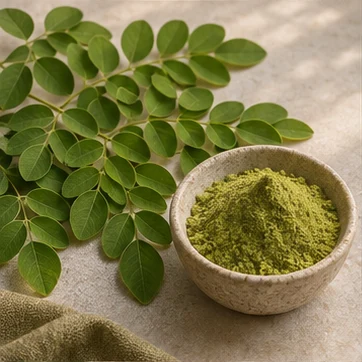
Moringa tea is generally prepared by steeping fresh or dried leaves from the Moringa oleifera tree in hot water. The plant is also commonly called the drumstick tree, horseradish tree, or miracle tree, and its leaves are consumed in various traditional dishes and herbal preparations. Commercial moringa teas are usually sold as dried loose leaves, crushed leaves in tea bags, or blends containing moringa alongside other herbs. Some products marketed as moringa tea instead contain finely ground leaf powder that is mixed directly into water.
The preparation method influences what ends up in the cup. When dried leaves are steeped and then removed, the finished beverage contains substances that have moved from the plant material into the water. Water-soluble compounds may be extracted, while much of the plant's insoluble fiber and other solid material remains in the leaves. When moringa powder is stirred into water and consumed without straining, the person is ingesting the powdered leaf itself, which is nutritionally and chemically different from drinking only the strained liquid.
This is relevant because moringa's nutritional reputation is largely based on analyses of whole leaves. Fresh and dried moringa leaves can provide protein, fiber, minerals, carotenoids, and other nutrients when eaten as food. A cup of strained moringa tea should not automatically be described as providing equivalent amounts of those nutrients, particularly when the amount of leaf used, extraction efficiency, and final serving size have not been measured.
Is Moringa Tea the Same as Moringa Powder?
Moringa tea and moringa powder may originate from the same plant, but they are not necessarily interchangeable. Whole-leaf moringa powder contains the dried plant material, including its fiber, proteins, minerals, and compounds that may not dissolve readily in water. A strained moringa infusion contains only the substances extracted during brewing, so the final composition depends on factors such as water temperature, brewing time, leaf quantity, processing, and whether the leaves are crushed or finely ground.
This difference becomes especially important when interpreting clinical research. In a randomized trial published in Nutrients in 2022, researchers gave adults with prediabetes 2.4 grams of dried moringa leaf powder in capsules every day for 12 weeks. The researchers reported favorable changes in some blood glucose measurements compared with placebo. However, participants swallowed the entire powdered leaf preparation rather than drinking an infusion made from that quantity of leaf material. There is no validated conversion showing that one or two cups of moringa tea would produce the same exposure or clinical effect.
The distinction is also important when comparing commercial products. A tea bag containing two grams of dried leaves does not necessarily deliver two grams of leaf constituents into the beverage. Conversely, a teaspoon of finely ground moringa powder swallowed in water provides a larger quantity of the original plant material than a tea made by steeping and discarding a similar amount of leaf. Neither preparation has been established as superior for treating a medical condition, and differences in exposure should not automatically be interpreted as differences in clinical effectiveness.
Our separate guide to moringa powder versus capsules explores how supplement formulation, serving size, and the way a product is consumed can affect comparisons between clinical studies.
What Does Scientific Research Actually Say About Moringa Tea?
The most useful way to evaluate the potential benefits of moringa tea is to separate studies that directly tested brewed tea from studies involving other moringa preparations. Randomized controlled trials can provide stronger evidence about whether a treatment causes an outcome, but their conclusions apply most directly to the population, formulation, amount, and duration that researchers actually investigated. Even a well-designed study of moringa capsules cannot fully answer whether drinking a strained infusion improves the same outcome.
The available research illustrates how different study designs can produce findings that appear contradictory when summarized without context. Some small trials have reported favorable changes in blood glucose or blood pressure, while other trials have shown little improvement compared with control groups. Recent systematic reviews have also reached different conclusions depending on which studies they included and how they evaluated the results. The table below compares several important publications, including one investigation involving moringa tea itself.
Human clinical studies and research reviews compared
| Study | Participants and preparation | Duration | Main findings | Important limitations |
|---|---|---|---|---|
| Bharatbhai et al., 2026 | 200 adults with hypertension; fresh moringa leaf tea compared with cucumber juice | 15 days | Blood pressure declined in both groups, with no significant difference between them | Nonrandomized, no plain-water or usual-care control, many participants on medication |
| Gómez-Martínez et al., 2022 | 65 adults with prediabetes; 2.4 g/day dried moringa leaf powder in capsules or placebo | 12 weeks | Favorable changes in fasting glucose and HbA1c compared with placebo | Small trial; capsules, not tea; specific prediabetes population |
| Taweerutchana et al., 2017 | 32 adults with untreated type 2 diabetes; 8 g/day leaf capsules or placebo | 4 weeks | No statistically significant improvement in fasting glucose or HbA1c | Small sample, short duration, not tea |
| Afiaenyi et al., 2025 | 40 adults with type 2 diabetes; varying quantities of moringa leaves in the diet | 14 days | No significant between-group differences after baseline adjustment | Short duration, small groups, food leaves rather than tea |
| Crișan et al., 2025 | Meta-analysis of nine randomized trials involving 649 participants overall | At least 2 weeks | No consistent cardiometabolic improvement; possible diastolic BP effect was not robust | Very low certainty, study heterogeneity, risk of bias |
| Samarin et al., 2026 | Meta-analysis of eight randomized trials | Varied | Reported reductions in systolic and diastolic BP, but no significant body-weight effect | Different trial selection and methods; findings not specific to brewed tea |
Research doses are descriptions of study protocols, not recommended amounts for consumers. Reviews may include the same participants as individual trials, so their samples should not be added together when counting the total evidence.
These publications provide a more complete picture than focusing exclusively on a study that reported a favorable result. They show that the effect of moringa remains uncertain even when researchers use measured quantities of whole leaves or capsules. A separate question is whether the compounds that reach the body after drinking a brewed infusion are present in sufficient amounts to reproduce effects observed with other preparations.
For readers interested in the research methodology behind these comparisons, our guide to how we evaluate scientific studies explains why study design, control groups, measured outcomes, and consistency are central to our assessments.
What Did the 2026 Human Study of Moringa Tea Find?
One of the most directly relevant human studies was published in Bioinformation in February 2026. Researchers compared the effects of moringa leaf tea and cucumber juice among 200 adults with hypertension in rural India. Participants were divided into two groups of 100, with one group consuming tea prepared from approximately 10 grams of fresh moringa leaves boiled in 200 milliliters of water for five minutes. The comparison group consumed juice prepared from approximately 200 grams of cucumber, and both groups followed their assigned intervention daily for 15 days alongside standard lifestyle advice.
The researchers reported that mean systolic blood pressure in the moringa tea group declined from 151.78 to 129.67 mmHg, representing a reduction of approximately 22.11 mmHg. Mean diastolic blood pressure declined from 95.89 to 83.45 mmHg, a reduction of approximately 12.44 mmHg. These are substantial changes, and it would be understandable for someone reading the results to conclude that moringa tea has a powerful blood-pressure-lowering effect. However, the cucumber juice group experienced almost identical reductions. Its mean systolic pressure decreased by approximately 21.89 mmHg, while diastolic pressure fell by approximately 12.22 mmHg.
The similarity between the two groups makes it difficult to attribute the observed improvements specifically to moringa. The investigators used a quasi-experimental design rather than a randomized, placebo-controlled trial, and there was no group receiving only usual care or plain water for comparison. Approximately 82% of participants in the moringa group were using conventional blood-pressure medication, while 81% of participants in the cucumber group were doing the same. Participants also received lifestyle advice, and the study does not establish how changes in medication adherence, diet, repeated blood-pressure measurements, or other factors may have contributed to the results.
The difference between a change within one group and a difference between treatment groups is particularly important here. A statistically significant reduction in blood pressure after drinking moringa tea does not by itself demonstrate that the tea was responsible, especially when participants receiving a different beverage experienced comparable improvements. The researchers reported no significant difference between the groups in post-intervention blood pressure, and the absence of a usual-care or placebo group prevents us from determining what would have happened without either beverage.
The study is useful because it investigated an actual moringa leaf drink rather than relying on extrapolation from powdered supplements. Its findings justify further research with randomization, appropriate control groups, standardized preparations, medication monitoring, and longer follow-up. They do not establish that drinking moringa tea lowers blood pressure by 22 mmHg, nor should that observed change be used to predict an individual's response.
You can examine the 2026 moringa tea and blood pressure study on PubMed and review its methods and results directly.
Does Moringa Tea Lower Blood Sugar?
Blood sugar regulation is one of the most frequently discussed potential benefits of moringa. Researchers are interested in compounds found in moringa leaves because experimental studies suggest possible effects on carbohydrate digestion, glucose metabolism, and insulin-related pathways. However, the clinical question is whether consuming a particular moringa preparation produces a reproducible improvement in meaningful blood glucose outcomes among people with prediabetes or diabetes.
A randomized, double-blind, placebo-controlled study published by Gómez-Martínez and colleagues in 2022 enrolled 65 adults with prediabetes. Participants received either 2.4 grams of dried moringa leaf powder daily in capsules or placebo for 12 weeks. The researchers found more favorable changes in fasting blood glucose and HbA1c in the moringa group compared with placebo. These findings are encouraging because they came from a controlled human experiment and measured clinically relevant markers rather than relying entirely on laboratory observations.
However, another randomized placebo-controlled study by Taweerutchana and colleagues investigated a different population and produced less encouraging results. Thirty-two adults with untreated type 2 diabetes received either eight grams of moringa leaf capsules daily or placebo for four weeks. The investigators found no statistically significant benefit in fasting glucose or HbA1c between the groups. Although this study used a larger daily quantity of moringa, its shorter duration, smaller sample, and different population prevent us from concluding that higher doses are ineffective or that lower doses are necessarily better.
A 2025 meta-analysis by Crișan and colleagues further complicated the picture. The researchers combined nine randomized trials involving 649 participants across intervention and comparison groups, finding no consistent improvement in most measured cardiometabolic outcomes. The pooled analyses did not establish statistically significant improvements in fasting glucose or HbA1c, and the authors rated the certainty of the evaluated outcomes as very low using GRADE. A separate 2026 review by Mokgalaboni and colleagues included 20 clinical studies involving people with metabolic disorders and reported favorable pooled glucose and blood-pressure findings, but its authors cautioned that substantial heterogeneity and study-quality limitations made the results preliminary.
These reviews should not be treated as equal, independent confirmations of a glucose-lowering effect. They used different eligibility criteria and included overlapping research, and the broader 2026 review examined clinical studies with more varied designs. A result from a synthesis incorporating less rigorously controlled studies cannot automatically overturn the uncertainty identified in a narrower randomized-trial review.
Most importantly, these findings do not demonstrate that ordinary moringa tea lowers blood sugar. The clinical studies primarily evaluated capsules or whole-leaf preparations, and their results cannot be transferred directly to a strained cup of herbal tea. Anyone managing diabetes or prediabetes should continue prescribed treatment and established glucose-monitoring practices rather than using moringa tea as a replacement.
For a closer look at this outcome, visit our moringa research library or browse the site's blood sugar evidence hub.
Can Moringa Tea Help Lower Blood Pressure?
Moringa has attracted scientific interest in cardiovascular research because some of its plant compounds have demonstrated potentially relevant biological activity in experimental models. Researchers have investigated possible effects on vascular relaxation, oxidative stress, and mechanisms involved in blood-pressure regulation. These findings provide reasons to conduct human trials, but they cannot determine whether drinking moringa tea will meaningfully reduce blood pressure in someone with hypertension.
A 2025 systematic review and meta-analysis published in Nutrients found a modest reduction in diastolic blood pressure across several trials, but the result lost statistical significance during sensitivity analyses. The researchers found no consistent reduction in systolic blood pressure and rated the certainty of the evaluated evidence as very low. In contrast, a systematic review published in May 2026 reported pooled reductions of approximately 6.00 mmHg in systolic blood pressure and 7.32 mmHg in diastolic blood pressure, although the authors also recognized methodological limitations and called for further research.
These findings may initially appear contradictory, but the reviews did not analyze identical collections of evidence using identical methods. The 2026 review searched publications through July 2024, while the 2025 review searched through April 2025. Differences in trial eligibility, the handling of study results, baseline characteristics, and statistical methods can influence pooled estimates. Importantly, neither review establishes that a particular commercial moringa tea bag produces the blood-pressure changes observed across studies involving other formulations.
The 2026 tea-specific study provides some direct information about a brewed preparation, but its comparison with cucumber juice and lack of a no-intervention control mean that the large reductions cannot confidently be attributed to moringa. For someone already taking antihypertensive medication, incorporating moringa with the specific intention of lowering blood pressure should therefore involve a conversation with a healthcare professional. It would be unsafe to adjust prescribed medication based on claims about the effects of moringa tea.
Our cardiovascular health research hub provides additional context for evaluating interventions intended to support heart and vascular health.
Does Moringa Tea Lower Cholesterol?
Another common claim is that moringa tea may improve cholesterol levels, particularly LDL cholesterol or triglycerides. Much of the biological interest comes from experimental studies investigating how moringa compounds interact with lipid metabolism. Some animal studies have reported favorable effects, but findings from animal experiments using concentrated extracts cannot establish that human consumers will experience meaningful changes in cholesterol after drinking moringa tea.
Human evidence has been inconsistent. The 2025 meta-analysis by Crișan and colleagues did not establish consistent improvements in lipid outcomes across the randomized studies it reviewed. In the 2025 publication by Afiaenyi and colleagues, investigators gave adults with type 2 diabetes varying quantities of moringa leaves for 14 days and evaluated blood glucose, blood pressure, and lipid measurements. Although some individual within-group measurements changed, the adjusted comparisons did not identify significant differences across the measured outcomes. One intervention group also experienced an increase in triglycerides, illustrating why selectively reporting favorable changes can give a misleading picture of the research.
Even if a future trial demonstrates that a standardized moringa leaf preparation improves a particular cholesterol measurement, additional research would be necessary to establish whether a commercially prepared tea produces comparable exposure and effects. LDL cholesterol, triglycerides, and cardiovascular events are also different outcomes. A small change in a laboratory measurement does not automatically demonstrate prevention of heart attacks or strokes. Moringa tea should not replace cholesterol medication or other established approaches to cardiovascular risk reduction.
Does Moringa Tea Have Antioxidant and Anti-Inflammatory Benefits?
Moringa leaves contain several compounds that have attracted interest for their antioxidant properties, including quercetin derivatives, kaempferol derivatives, and phenolic acids such as chlorogenic acid. Antioxidant activity refers to the ability of a substance to participate in chemical processes involving oxidation, including reactions with certain free radicals. Researchers can measure this activity through laboratory assays, but those measurements do not necessarily predict what will happen after someone consumes a beverage and the compounds undergo digestion, absorption, metabolism, and elimination.
A 2022 laboratory study investigated the chemical composition of moringa leaf infusion and identified several flavonoid-related compounds using analytical methods. The researchers also observed antioxidant activity in experimental assays and explored additional biological effects using laboratory and computational techniques. These results provide evidence that moringa leaf infusions can contain biologically interesting compounds. However, demonstrating antioxidant activity in a test tube is different from showing that drinking the infusion reduces chronic inflammation, prevents disease, or improves a measurable health outcome in humans.
More recently, a 2025 study published in Life investigated a moringa leaf infusion in mice exposed to a high-fat diet. Researchers measured the infusion's polyphenol content and antioxidant activity before examining metabolic and liver-related outcomes in the animals. The study reported favorable changes in several metabolic measurements and liver findings among mice receiving moringa infusion. Although the experiment involved a preparation derived from moringa leaves, the investigators used a controlled laboratory process that included concentrated and processed material, and the study did not test whether ordinary home-brewed tea provides similar benefits in people.
The findings are scientifically interesting because they help identify compounds and possible pathways for future investigation. They do not establish that moringa tea reduces systemic inflammation in humans, prevents cardiovascular disease, protects the liver, or treats inflammatory conditions. Clinical research would need to measure defined outcomes in people consuming standardized tea preparations, ideally with appropriate control groups and sufficient follow-up, before those benefits could be stated confidently.
You can read the 2025 moringa infusion study on PubMed and the 2022 laboratory investigation of moringa leaf infusion to see how these experimental findings differ from clinical evidence.
Can Moringa Tea Help With Weight Loss?
Moringa tea is sometimes marketed as a weight-loss beverage because its leaves contain plant compounds that researchers have associated with metabolic processes in experimental models. However, there is currently no convincing human evidence that drinking moringa tea directly causes meaningful fat loss, accelerates metabolism enough to produce clinically important weight changes, or reduces body weight independently of other dietary and lifestyle factors.
The 2026 systematic review by Samarin and colleagues examined randomized trials involving moringa and reported no significant effects on body weight or body mass index compared with control groups. The 2025 cardiometabolic meta-analysis similarly did not demonstrate a consistent improvement in weight-related outcomes. These results concern moringa preparations more broadly, rather than proving that every possible tea formulation is ineffective, but they do not support marketing moringa tea as a proven weight-loss supplement.
There may still be a practical reason to choose unsweetened moringa tea when managing calorie intake. If someone regularly drinks sweetened coffee beverages, juice, or soda, replacing some of those drinks with plain herbal tea can reduce the calories or added sugars consumed through beverages. That benefit depends on the substitution rather than a demonstrated fat-burning effect of moringa. Adding significant amounts of honey, sugar, or sweetened syrups can also change the nutritional contribution of the finished drink.
Does Moringa Tea Support the Immune System?
Moringa is frequently described as an immune-supporting plant because its leaves contain nutrients and compounds associated with normal immune function. Certain vitamins and minerals are essential for maintaining healthy immune responses, and laboratory experiments have investigated possible effects of moringa constituents on inflammatory signaling and cellular processes. However, a nutrient's known biological role does not establish that consuming a particular food or beverage improves immunity beyond normal function.
For moringa tea, adequately controlled human research demonstrating fewer respiratory infections, faster recovery from illness, or improved clinically meaningful immune outcomes is lacking. Studies that measure antioxidant activity or changes in experimental inflammatory markers cannot substitute for trials assessing actual health outcomes. Similarly, findings from concentrated extracts do not necessarily apply to a strained leaf infusion.
Someone who enjoys moringa tea can reasonably include it as part of a varied beverage routine, but it should not be presented as an established way to prevent infections or strengthen the immune system. Adequate nutrition, recommended vaccinations, sleep, and appropriate medical care have more established roles in protecting health than drinking moringa tea for an unproven immune benefit.
Is Moringa Tea Good for Digestion?
Some people drink moringa tea hoping to improve digestion, reduce bloating, or relieve constipation. These uses are often discussed in traditional herbal contexts and online supplement communities, but there is little controlled human research examining the digestive effects of a brewed moringa infusion. Experimental studies involving moringa extracts have investigated gastrointestinal mechanisms, yet those findings do not establish that a typical cup of tea improves symptoms of irritable bowel syndrome, chronic constipation, or other digestive conditions.
The distinction between moringa tea and whole-leaf powder is particularly relevant to digestive claims. Whole leaves contain fiber, while much of that fiber remains in the discarded plant material when tea is strained. Therefore, claims about the digestive benefits of the fiber in moringa leaves should not be applied automatically to moringa tea. A beverage containing suspended leaf powder is a different preparation and may contribute some fiber, depending on the amount consumed.
Moringa preparations can also cause unwanted gastrointestinal symptoms in some people. In a 2025 study evaluating moringa leaf powder acceptability, participants receiving higher quantities reported more gastrointestinal complaints over a seven-day period. That finding cannot establish the frequency of digestive side effects from tea, but it illustrates why increasing the amount of moringa consumed is not necessarily helpful for digestive comfort. Anyone who develops persistent nausea, abdominal discomfort, or diarrhea after using moringa should stop taking the product and seek appropriate medical advice if symptoms continue or are concerning.
Does Moringa Tea Improve Skin Health?
Moringa is sometimes promoted for clearer skin, reduced acne, improved skin hydration, and protection against premature aging. Much of the rationale centers on its antioxidant compounds and the nutritional properties of the leaves. Although these substances may have interesting biological effects, human skin health depends on many factors, including hormones, genetics, environmental exposures, medications, and underlying medical conditions.
There is currently insufficient human evidence showing that drinking moringa tea improves acne, reduces wrinkles, or treats inflammatory skin conditions. Research involving topical moringa preparations, seed oils, laboratory experiments, or animal models cannot establish the effectiveness of orally consumed leaf tea. The dose reaching the skin after digestion and metabolism may be substantially different from concentrations used in topical or laboratory experiments.
For someone interested in moringa primarily because of skin-health claims, the most appropriate interpretation is that the proposed benefits remain speculative. Drinking the tea may be enjoyable, but it should not replace established skin treatments or medical evaluation for persistent acne, eczema, or other dermatologic concerns.
What Nutrients Are Actually in Moringa Tea?
Moringa leaves are nutritionally interesting because they contain several vitamins, minerals, carotenoids, amino acids, and other plant constituents. However, nutrient tables describing fresh leaves or dried moringa powder do not tell us how much of those nutrients is present in an ordinary brewed serving. The final content depends on the amount of leaf used, whether it is fresh or dried, how it is processed, and which compounds dissolve or remain suspended during preparation.
In 2024, researchers investigated the bioaccessibility and chemical forms of iron in aqueous extracts prepared from moringa leaves. They compared infusions and decoctions made from fresh and dried leaves and measured differences in substances associated with iron absorption. The researchers found that the composition varied according to preparation method, reinforcing the importance of studying the beverage itself rather than assuming that every preparation delivers the same nutritional profile. These were laboratory measurements, not evidence that drinking a specific moringa tea corrects iron deficiency.
Consumers should therefore be cautious about product descriptions claiming that one cup of moringa tea provides exceptionally large amounts of vitamin A, iron, calcium, or protein unless the manufacturer supplies credible analysis of the prepared beverage. Whole-leaf nutrient concentrations, particularly values reported per 100 grams, can be misleading when applied to a tea made from only a small quantity of leaves. A cup of herbal tea is not nutritionally equivalent to eating a substantial serving of cooked leafy vegetables.
Moringa tea can be a pleasant addition to a balanced diet, but it should not be relied upon to treat anemia, correct nutrient deficiencies, or replace other nutrient-rich foods.
Does Moringa Tea Have Caffeine?
Pure moringa leaf tea is naturally caffeine-free because Moringa oleifera is not the same plant as Camellia sinensis, which is used to produce traditional green, black, white, and oolong teas. This makes plain moringa leaf infusion appealing to people who enjoy the ritual of drinking tea but prefer to avoid the stimulating effects of caffeine. It may also be an option for people who experience caffeine-related sleep disruption, palpitations, or jitteriness, provided their healthcare professional considers the particular herbal product appropriate.
However, not every product labeled moringa tea is caffeine-free. Some commercial blends combine moringa with green tea, black tea, matcha, or other ingredients that may contain caffeine. Checking the complete ingredient list is more reliable than assuming that the word moringa guarantees an entirely caffeine-free product.
Caffeine-free also does not mean that a beverage has been proven to promote sleep. There is insufficient controlled human evidence demonstrating that drinking moringa tea improves sleep duration, sleep quality, or insomnia symptoms. If someone sleeps better after replacing an evening caffeinated beverage with plain moringa tea, the change may be related to consuming less caffeine rather than a specific sedative effect of moringa.
Can You Drink Moringa Tea Before Bed?
There is no established best time of day to drink moringa tea based on clinical outcomes. Researchers have not demonstrated that drinking the tea in the morning, afternoon, or evening produces superior benefits for glucose control, cardiovascular health, inflammation, or general wellness. For most people considering it as an occasional beverage, timing is therefore more reasonably guided by personal preference, caffeine avoidance, tolerance, and any advice related to medications or medical conditions.
Someone who enjoys a warm herbal drink in the evening may appreciate plain moringa tea as an alternative to caffeinated tea. However, people who experience increased nighttime urination from drinking fluids shortly before bed may prefer an earlier serving. There is no evidence-based reason to recommend drinking moringa tea on an empty stomach or to claim that consuming it before breakfast enhances its medicinal effects.
For further discussion of timing claims involving whole-leaf preparations, our guide to the best time to take moringa powder compares the available clinical research and explains where morning-versus-night recommendations remain unsupported.
Moringa Tea vs. Green Tea: Which Is Better?
Moringa tea and green tea are often compared because both are plant-based beverages containing antioxidant-related compounds. However, green tea is derived from Camellia sinensis, while moringa tea is prepared from the leaves of a different plant. Their chemical compositions differ, and many of the human studies investigating traditional green tea cannot be used to support claims about moringa tea.
Green tea contains caffeine and catechins, including epigallocatechin gallate, commonly called EGCG. Moringa leaves contain a different combination of phenolic acids, flavonoids, and other botanical constituents. Although both beverages can demonstrate antioxidant activity in laboratory testing, comparing isolated antioxidant measurements does not establish which one is more beneficial for preventing disease or improving clinical outcomes.
The choice may depend more on the purpose of the beverage than on claims of one being universally healthier. Someone seeking a caffeinated drink may prefer traditional green tea, while someone looking for a caffeine-free herbal beverage might prefer moringa tea. Flavor, price, product quality, personal tolerance, and the complete ingredient list may be more useful considerations than marketing claims that one beverage contains dramatically more antioxidants than another.
How to Make Moringa Tea at Home
Moringa tea can be prepared by steeping dried moringa leaves in hot water, using loose leaves or a commercially packaged tea bag. For an uncomplicated home preparation, follow the instructions provided by a reputable manufacturer, which commonly involve adding hot water to the leaves, steeping for approximately five to ten minutes, and removing the plant material before drinking. The ideal brewing conditions for flavor may vary depending on the product and personal preference, and these instructions should not be interpreted as a clinically validated therapeutic preparation.
Researchers have investigated whether brewing temperature and steeping time influence the compounds extracted from moringa leaves. In a 2025 laboratory study published in IOP Conference Series: Earth and Environmental Science, investigators compared moringa tea prepared at temperatures ranging from 70°C to 100°C and brewing times between two and ten minutes. They measured total phenolic content and antioxidant capacity, finding that brewing at 100°C for six minutes produced the highest measured phenolic content and strongest antioxidant performance under the experimental conditions.
These results are more informative than generalized claims that cooler water always preserves more health benefits. However, the laboratory measurements do not establish that brewing moringa tea at exactly 100°C for six minutes improves human health, nor do they identify an optimal clinical dose. Different leaf products, growing conditions, processing methods, and brewing equipment may produce different results, while higher concentrations of certain compounds do not automatically translate into better clinical outcomes.
People who find moringa tea too earthy or bitter may prefer a shorter steeping time or a preparation blended with ingredients such as lemon, ginger, or mint. Adding honey or another sweetener is a matter of preference, although it also changes the sugar content of the finished beverage. If using moringa powder instead of loose leaves, remember that drinking the suspended powder means consuming the plant material rather than only a strained infusion, which may change both the quantity consumed and digestive tolerance.
How Much Moringa Tea Should You Drink Per Day?
There is currently no scientifically established daily amount of moringa tea that has been shown to improve blood sugar, lower blood pressure, reduce inflammation, or promote long-term health. Commercial products vary in the quantity of dried moringa leaves they contain per bag, and two teas prepared with the same apparent serving size may deliver different concentrations of plant compounds. Without standardized preparation and clinical dose-response studies, it is not possible to confidently recommend a particular number of cups for medical purposes.
The 2026 blood-pressure study used approximately 10 grams of fresh moringa leaves boiled in 200 milliliters of water once daily for 15 days. However, that was an experimental protocol rather than a validated recommended dose, and the study's design did not establish a causal blood-pressure benefit. A separate randomized clinical study registered on ClinicalTrials.gov planned to evaluate an infusion made from four grams of moringa leaves twice daily, but its registry record did not provide posted results when reviewed for this article.
These quantities should not be converted into universal advice to drink large amounts of moringa tea. Fresh leaves contain water, whereas dried leaves have a different weight and composition, and the amount extracted into the beverage may differ substantially. More concentrated preparations may also increase exposure to compounds that could cause side effects or interact with medications.
If you are considering moringa primarily as an occasional culinary beverage, discussing your intended product and frequency with a healthcare professional is particularly important if you have an existing medical condition. If you are considering it for a specific therapeutic goal, the current evidence does not justify choosing a dose based on promotional claims or attempting to reproduce experimental quantities without professional guidance.
Our moringa powder daily dosage guide provides additional information about doses tested in human studies, while explaining why those quantities are not established treatment recommendations.
Is It Safe to Drink Moringa Tea Every Day?
Moringa leaves have a long history of culinary use, and ordinary food preparations are generally considered different from concentrated botanical supplements. However, frequent consumption of moringa tea has not been evaluated in sufficiently large, long-term clinical trials to establish safety for every population. A product may be tolerated during short-term use without having been adequately investigated during pregnancy, in people with chronic illnesses, or alongside complex medication regimens.
In a 2025 study published in Preventive Medicine Reports, Matias and colleagues evaluated the acceptability of different quantities of moringa leaf powder among 52 healthy adults, with 50 completing the seven-day intervention. Participants received approximately 2.4, 4.8, or 7.2 grams of leaf powder daily, and researchers examined product acceptance and reported symptoms. Higher quantities were associated with more gastrointestinal complaints. Because the intervention involved whole-leaf powder rather than strained tea, these findings cannot establish how frequently digestive symptoms occur among people drinking ordinary moringa infusions.
Long-term safety is also different from short-term tolerability. A seven-day experiment can provide information about immediate experiences, but it cannot reliably identify rare adverse events, cumulative effects, or interactions that develop over extended periods. Someone who drinks moringa tea regularly should not interpret the absence of symptoms as proof that the product is appropriate alongside every medication or medical condition.
For more information about daily use, visit our article Can You Take Moringa Every Day?, which discusses repeated supplementation, longer-term uncertainty, and safety concerns.
What Are the Side Effects of Moringa Tea?
Moringa leaf preparations may cause digestive discomfort in some individuals, including nausea, abdominal cramps, bloating, or diarrhea. However, the frequency of these reactions specifically among people drinking brewed moringa tea is not well established. Many available safety observations involve powdered leaves, capsules, or concentrated extracts, and those preparations may differ from ordinary tea in both dose and chemical exposure.
Allergic reactions and unexpected symptoms should also be taken seriously. A person who develops itching, hives, throat discomfort, or other concerning symptoms after consuming a botanical product should stop using it and seek appropriate medical evaluation. Difficulty breathing, throat swelling, or signs of a severe allergic reaction require emergency medical attention. A reaction may involve moringa itself, another ingredient in a blended product, or contamination, so identifying the exact product is important.
Moringa should not be assumed to protect the liver simply because some laboratory and animal studies have investigated potentially favorable hepatic effects. The NIH's LiverTox database describes moringa as generally well tolerated but also discusses a possible rare case of clinically apparent liver injury. This does not establish that ordinary moringa tea commonly causes liver damage, but it reinforces the importance of avoiding universal statements that botanical supplements are harmless.
Can Moringa Tea Interact With Medications?
Potential medication interactions are among the most important considerations for people interested in using moringa tea regularly. Some studies involving moringa leaf preparations have investigated possible effects on blood glucose and blood pressure, creating uncertainty about whether consuming moringa alongside glucose-lowering or antihypertensive medications could alter their effects. These interactions have not been adequately quantified for ordinary brewed tea, so the available evidence does not support predicting how much a particular drink might change a medication's action.
People taking insulin, other diabetes medications, blood-pressure medications, anticoagulants, thyroid medications, or drugs with important metabolic interactions should review moringa use with their healthcare team. The absence of a documented interaction in a small trial is not the same as demonstrating that an interaction cannot occur. Someone taking multiple prescriptions may also have additional factors, including kidney function, liver function, age, and concurrent supplements, that affect the appropriateness of regular herbal product use.
The integrative medicine information published by Memorial Sloan Kettering Cancer Center emphasizes that herbal supplements can differ from culinary uses and may interact with medications. Its consumer guidance encourages discussing moringa supplements with a healthcare professional before taking them. For readers preparing for that conversation, our supplement interactions guide explains what information to bring to a pharmacist or clinician.
Is Moringa Tea Safe During Pregnancy or Breastfeeding?
People who are pregnant or trying to become pregnant should not assume that moringa tea is safe simply because moringa leaves are traditionally eaten as food in some cultures. Pregnancy safety depends on the plant part, formulation, quantity, and individual medical circumstances. Reliable clinical research evaluating the safety of routine moringa tea consumption during pregnancy is insufficient, and products containing roots, bark, or other less-studied plant parts raise additional concerns.
Moringa has also been investigated for its potential effects on breast milk production. The NIH's LactMed database discusses research suggesting that some moringa leaf preparations may influence milk volume or prolactin measurements in breastfeeding populations. However, these findings should not automatically be applied to an ordinary cup of moringa tea, and the long-term effects on breastfed infants have not been adequately established. LactMed also emphasizes that herbal galactagogues should not replace an assessment of factors affecting milk production.
Anyone who is pregnant, breastfeeding, or using moringa with the intention of increasing milk supply should consult an obstetric clinician, pediatric clinician, or another qualified healthcare professional familiar with their circumstances. A preparation used in a specific postpartum clinical study should not be assumed equivalent to a commercially blended herbal tea, and the reported outcomes should not be interpreted as evidence that all moringa products are appropriate during lactation.
What Should You Know About Moringa Tea Quality and Recent Recalls?
Product quality is an important consideration when evaluating any botanical supplement or herbal beverage. The quality of moringa tea depends on factors including plant identification, agricultural conditions, harvesting, drying, manufacturing practices, storage, and packaging. Products may also differ in microbial contamination risks, pesticide residues, or heavy-metal exposure. A label describing a product as natural or organic does not establish that it has been independently tested for every relevant contaminant.
This issue became particularly important in 2026, when the Centers for Disease Control and Prevention investigated Salmonella outbreaks involving moringa-containing products. A multistate investigation closed on July 22, 2026, documented 131 illnesses, 36 hospitalizations, and no deaths across 38 states. Public health authorities linked illnesses to contaminated moringa leaf powder found in several recalled products. In a separate September 2026 recall, Foods Alive recalled certain organic moringa leaf powder packages because of possible Salmonella contamination, with no associated illnesses reported when the company issued its announcement.
These investigations did not establish that every moringa product is contaminated, nor did they specifically demonstrate that all commercially packaged moringa tea bags carry the same risks as the recalled powders and capsules. However, they show why the safety of a botanical ingredient cannot be determined solely from its traditional use or proposed nutritional benefits. The absence of reported contamination in a specific product does not prove that the product has undergone comprehensive testing.
If you currently have a moringa product at home, compare the brand, product name, lot number, and expiration date with official recall information before using it. Do not consume products matching an active or historical recall notice simply because an outbreak investigation has closed. You can review the CDC's July 2026 moringa outbreak summary and the FDA's September 2026 Foods Alive recall notice for product-specific details.
Our complete moringa safety and research guide also includes selected recall information, while our third-party testing guide explains how to evaluate testing claims before purchasing a supplement.
What Do Healthcare Professionals and Moringa Researchers Say?
Published commentary from qualified nutrition professionals generally supports a more cautious interpretation of moringa than the language used in many supplement advertisements. In a January 2026 Cleveland Clinic article, registered dietitian Julia Zumpano discussed moringa leaves as a nutrient-dense food comparable to other leafy greens. She described how incorporating moringa leaves and pods into a varied diet can contribute useful nutrients, while emphasizing that more research is needed before claims about disease prevention or treatment can be established.
Her comments are particularly relevant when considering the distinction between moringa as a food and moringa as a therapeutic supplement. Eating moringa leaves in a meal can contribute nutrients to the diet, but those nutritional properties do not establish that a strained herbal infusion provides equivalent amounts or produces clinically meaningful changes in blood glucose or blood pressure. For someone considering moringa primarily because it is advertised as a superfood, this perspective offers a more realistic way to think about its potential role in nutrition.
Researchers Yvonne Bailey-Shaw and colleagues addressed moringa beverages more directly in a review published in 2021. Their work examined the potential applications of moringa leaves in functional herbal drinks and discussed the plant's nutritional, medicinal, and toxicological properties. Although moringa teas and juices were described as popular traditional preparations, the researchers emphasized the limited scientific evidence validating the efficacy and safety of these beverages. Their assessment remains relevant because a substantial proportion of subsequent human research has continued to involve powders, capsules, or other formulations rather than standardized tea preparations.
The researchers behind the 2025 randomized-trial meta-analysis, led by Diana Crișan, similarly emphasized the uncertainty surrounding moringa's cardiometabolic effects. After evaluating nine randomized trials, they concluded that the available evidence did not consistently support improvements across major metabolic outcomes and identified serious limitations involving study quality and heterogeneity. Their conclusions are useful when evaluating promotional claims that present moringa as an established treatment for hypertension, diabetes, or elevated cholesterol.
A separate research group led by Mahnoush Mehrzad Samarin reported more favorable pooled blood-pressure findings in 2026. However, the authors also recognized the need for additional research, particularly given limitations in the underlying trials. Comparing these expert interpretations shows why scientific conclusions depend on the totality and quality of the evidence rather than the most encouraging result available.
These professional perspectives do not mean that moringa tea has no possible biological effects. They indicate that evidence of nutrients, antioxidant activity, and occasional favorable clinical outcomes is not yet sufficient to establish the effectiveness of ordinary brewed moringa tea for treating chronic health conditions. For readers evaluating whether a product is appropriate for personal use, understanding this uncertainty is more useful than interpreting traditional use or a positive laboratory result as a guarantee of benefit.
What Do Reddit Users and Supplement Blogs Say About Moringa Tea?
To better understand what consumers are experiencing and asking about moringa tea, we reviewed publicly available discussions on Reddit, including r/Supplements, r/Herbalism, and r/tea, alongside articles published by INTEGRIS Health, TeaStory, and Valley of Tea. We looked specifically for discussions involving perceived benefits, digestive tolerance, blood pressure, energy, flavor, brewing practices, and the differences between powder and herbal tea. These public discussions offer insight into how people use moringa and what concerns influence their decisions, but they are not representative surveys and cannot establish the effectiveness or safety of a supplement.
What people report in r/Supplements
In a June 2024 r/Supplements discussion about moringa tea and blood pressure, one user described noticing lower blood-pressure readings after drinking moringa tea with honey. The user also expressed skepticism about whether the tea was responsible for the changes. This is an understandable question because blood pressure varies throughout the day, and readings can be influenced by medications, physical activity, stress, hydration, measurement technique, and other factors. An individual observing a change after drinking tea cannot determine that the beverage caused it without an appropriate comparison.
A separate January 2026 r/Supplements discussion about moringa powder contained mixed experiences. Some participants reported taking moringa regularly without noticing much improvement, while others mentioned possible changes in energy or digestive comfort. Commenters also raised concerns about product sourcing and contamination. The discussion illustrates how different consumers may interpret personal experiences differently, particularly when they are taking multiple supplements or changing several aspects of their routine at the same time.
What people report in r/Herbalism and r/tea
In a March 2026 r/Herbalism discussion, one user described feeling unexpectedly sleepy after drinking moringa tea and wondered whether the beverage might have caused the sensation. Other participants speculated about possible effects of plant compounds, but the discussion did not establish a cause or demonstrate that moringa tea has a sedative effect in humans. Experiences such as unusual fatigue, throat discomfort, or other unexpected symptoms should not be interpreted as evidence that the product is working.
Discussions in r/tea about the flavor of moringa focused more on the practical experience of drinking it. Several users described the flavor as grassy or earthy and discussed combining moringa with milk, spices, lemon, or other tea ingredients. These observations can be useful for someone deciding whether they will enjoy the beverage, although they do not establish clinical benefits. They also highlight why someone may prefer a tea bag, loose leaves, or capsules for reasons unrelated to effectiveness.
What health and tea blogs recommend
We also reviewed the INTEGRIS Health article comparing moringa with other teas, which discusses moringa's nutritional reputation, caffeine-free character, and practical brewing methods. The article presents moringa as a potentially nutritious herbal beverage, but nutrient claims based on the leaves should still be distinguished from measured amounts in a strained serving. For readers interested in clinical outcomes, statements about general nutritional properties do not substitute for randomized human studies involving the beverage itself.
The TeaStory moringa tea guide places greater emphasis on the difference between whole-leaf powder and brewed tea, while the Valley of Tea preparation guide offers practical advice about brewing temperature, flavor, and preparation. These resources address questions that consumers commonly encounter when buying herbal tea, although specific brewing recommendations and health claims should be evaluated separately. A commercially published tea guide may provide useful preparation advice without establishing that its preferred brewing method maximizes health benefits in humans.
Across the public discussions and articles reviewed, several recurring themes emerged. People frequently want to know whether moringa tea will improve energy, blood pressure, digestion, or general wellness, but their experiences are inconsistent and often involve products prepared in different ways. Flavor and ease of use also influence whether people continue consuming moringa, while sourcing and product safety remain recurring concerns. These observations help identify useful questions for scientific research, but they should never be counted as clinical evidence or used to increase an evidence rating.
How to Choose a Quality Moringa Tea
When comparing moringa tea products, begin by identifying the plant and plant part used. A clearly labeled product should identify Moringa oleifera and specify whether it contains dried leaves, leaf powder, or another preparation. If the product includes additional botanical ingredients, examine the full list rather than assuming that all of the claimed effects can be attributed to moringa. Products containing roots, bark, or poorly described extracts should not be considered equivalent to ordinary leaf tea.
Manufacturer transparency is also worth examining. Look for a recognizable manufacturer, lot number, expiration date, clear storage instructions, and information about quality-control testing. Testing may involve microbial contamination, heavy metals, pesticides, or ingredient identity, and a manufacturer should be able to explain which tests were performed. A certificate of analysis is most useful when it identifies the relevant product batch, testing laboratory, methods, and results rather than making an unsupported claim that the product is laboratory tested.
Price alone is not a reliable indication of product quality. A more expensive tea may have attractive packaging or organic certification without providing better evidence of safety or effectiveness. Similarly, a product containing more moringa leaves per bag is not necessarily more beneficial, because no clinical trial has established the ideal brewed-tea concentration for a particular health outcome.
Before purchasing, you may also find our Supplement Facts label guide and third-party testing guide helpful for understanding ingredient declarations and manufacturing claims.
Frequently Asked Questions About Moringa Tea
Is moringa tea actually good for you?
Moringa tea can be an enjoyable caffeine-free herbal beverage containing certain compounds extracted from moringa leaves. However, the available human research has not established that drinking ordinary moringa tea reliably improves blood sugar, blood pressure, cholesterol, or other clinical health outcomes. Its potential role as part of a balanced beverage routine should be distinguished from claims that it prevents or treats disease.
What happens if you drink moringa tea every day?
There is insufficient long-term human research to predict the effects of drinking moringa tea every day across different populations. Some people may tolerate the beverage without noticeable symptoms, while others may experience digestive discomfort or have medication-related concerns. Regular use should be discussed with a healthcare professional when medical conditions, pregnancy, breastfeeding, or medications are involved.
Does moringa tea work better on an empty stomach?
No controlled human evidence establishes that drinking moringa tea on an empty stomach improves absorption or produces greater clinical benefits than consuming it with food. Empty-stomach recommendations commonly found online are not supported by comparative clinical trials of the tea. People who experience gastrointestinal discomfort may find that timing affects their tolerance, but this has not been established through moringa tea-specific research.
Can moringa tea detox your body?
There is no convincing clinical evidence that drinking moringa tea removes toxins from the human body or improves its natural detoxification processes. The liver, kidneys, gastrointestinal system, and other organs already perform essential functions involved in processing and eliminating substances. Laboratory antioxidant activity should not be presented as proof that moringa tea detoxifies the body or reverses exposure to harmful substances.
Does moringa tea help with belly fat?
Human studies have not demonstrated that moringa tea specifically reduces abdominal fat or produces meaningful fat loss. Randomized-trial reviews of moringa supplementation have not consistently shown improvements in body weight or body mass index. Replacing high-calorie sweetened drinks with unsweetened tea may reduce calorie intake, but that does not demonstrate a unique fat-burning effect of moringa.
Is moringa tea better than moringa capsules?
Neither form has been established as universally better for health. Capsules generally contain a measured quantity of powdered leaf or another preparation, while strained tea contains compounds extracted into water during brewing. Most controlled clinical studies have involved capsules or whole-leaf preparations, meaning their results cannot automatically be applied to tea.
How long does moringa tea take to work?
There is no established timeline for moringa tea to produce clinically meaningful health benefits because its therapeutic effectiveness has not been demonstrated reliably. Human studies of other moringa preparations have lasted from days to several months and have produced inconsistent findings. Claims that benefits should appear after a particular number of days are not supported by sufficiently rigorous research of brewed moringa tea.
Can moringa tea replace diabetes or blood-pressure medication?
No. The available evidence does not establish moringa tea as an effective substitute for prescribed treatment of diabetes, hypertension, or other medical conditions. People using medication should continue the treatment plan recommended by their healthcare professional and discuss any herbal products they intend to use regularly.
The Bottom Line: Is Moringa Tea Worth Drinking?
Moringa tea is an interesting herbal beverage derived from a plant with a rich nutritional composition and several compounds that researchers continue to investigate. Laboratory studies have demonstrated that moringa leaf infusions contain antioxidant-related substances, and some human studies involving moringa preparations have reported encouraging changes in blood glucose or blood pressure. However, the clinical evidence remains inconsistent, and much of the available research concerns powders, capsules, or whole leaves rather than the strained infusion consumers typically prepare at home.
The 2026 human study directly investigating moringa leaf tea reported substantial reductions in blood pressure, but participants receiving cucumber juice experienced nearly identical changes. Because the study lacked randomization and a usual-care or placebo control group, its findings do not establish that moringa tea caused the improvement. Systematic reviews involving other moringa formulations have also reached conflicting conclusions, with important concerns involving study quality, sample size, and differences between interventions.
For someone who enjoys the flavor of herbal tea, plain moringa leaf infusion may be a reasonable beverage to discuss with a healthcare professional, particularly when caffeine avoidance is a priority. However, it should not be used as a treatment for diabetes, hypertension, high cholesterol, or another chronic health condition, and there is no established therapeutic dose or long-term safety profile for regular use. Product quality and medication interactions are important considerations, especially following the 2026 moringa-related contamination investigations.
At Root & Evidence, our goal is to help readers understand what researchers actually tested, how confidently their findings can be interpreted, and what those findings mean for real products. Moringa tea may deserve further scientific investigation, but its potential benefits should be presented with the same care as its limitations. Readers interested in continuing their research can explore our moringa evidence hub, compare powder and capsules, review daily dosage research, examine timing recommendations, or learn more about everyday moringa use and safety.
References and Further Reading
The following publications and official resources informed this article. Human clinical research was prioritized for conclusions about effectiveness, while laboratory and animal studies were considered separately for information about chemical composition and biological mechanisms. Reddit discussions and commercial blogs were reviewed for consumer experiences and common questions, not treated as clinical evidence.
Bharatbhai PD, Mahalakshmi B, Subramanian S. (2026). Comparative effectiveness of two natural interventions (drumstick leaves tea and cucumber juice) on hypertension. Bioinformation. PubMed, PMID 42109346.
Gómez-Martínez S, et al. (2022). Moringa oleifera Leaf Supplementation as a Glycemic Control Strategy in Subjects with Prediabetes. Nutrients. PubMed, PMID 35010932.
Taweerutchana R, et al. (2017). Effect of Moringa oleifera Leaf Capsules on Glycemic Control in Therapy-Naïve Type 2 Diabetes Patients: A Randomized Placebo Controlled Study. PubMed, PMID 29317895.
Afiaenyi IC, et al. (2025). Effects of Moringa oleifera leaves on the blood glucose, blood pressure, and lipid profile of type 2 diabetic subjects. Nutrition and Health. PubMed, PMID 37229639.
Crișan D, et al. (2025). Effects of Moringa oleifera Lam. Supplementation on Cardiometabolic Outcomes: A Meta-Analysis of Randomized Controlled Trials with GRADE Assessment. Nutrients. PubMed, PMID 41305552.
Samarin MM, et al. (2026). The Effect of Moringa oleifera on Body Weight and Blood Pressure: A Systematic Review and Meta-Analysis of Randomized Controlled Trials. Food Science & Nutrition. PubMed, PMID 42254443.
Mokgalaboni K, et al. (2026). Moringa oleifera on hyperglycemia and hypertension in metabolic diseases: Systematic review, exploratory meta-analysis and meta-regression. Metabolism Open. PubMed, PMID 41816507.
Hernández-Fuentes GA, et al. (2025). Moringa oleifera Leaf Infusion as a Functional Beverage: Polyphenol Content, Antioxidant Capacity, and Its Potential Role in the Prevention of Metabolopathies. Life. Animal and laboratory research. PubMed, PMID 40283190.
Phytochemical Analysis, Antimutagenic and Antiviral Activity of Moringa oleifera L. Leaf Infusion: In Vitro and In Silico Studies. (2022). Laboratory and computational research. PubMed, PMID 35807260.
Matias SL, et al. (2025). Acceptability of Moringa oleifera leaf powder among healthy adults in the United States. Preventive Medicine Reports. PubMed, PMID 40226484.
University of Mauritius. Effect of Moringa Oleifera Infusion on Health. Registered clinical trial. ClinicalTrials.gov, NCT04314258.
Widyaningrum D, et al. (2025). Investigating the optimal brewing temperature and time to enhance the health benefits of local Moringa tea leaf. Laboratory investigation. IOP Publishing.
Centers for Disease Control and Prevention. (2026). Salmonella Outbreak Linked to Moringa Leaf Powder.
U.S. Food and Drug Administration. (2026). Foods Alive Recalls Organic Moringa Leaf Powder Because of Possible Health Risk.
Cleveland Clinic. (2026). A Quick Introduction to Moringa. Includes commentary from registered dietitian Julia Zumpano.
National Library of Medicine. LiverTox: Moringa.
National Library of Medicine. LactMed: Moringa.
Memorial Sloan Kettering Cancer Center. Moringa oleifera: Integrative Medicine Information.
Editorial and medical disclaimer: Root & Evidence provides educational summaries of scientific evidence and does not offer personalized medical advice. This article was prepared under the Root & Evidence Editorial byline, and no independent physician or pharmacist review is claimed. Findings may change as additional research becomes available. Always consult your primary care provider or another qualified healthcare professional before using moringa products regularly, especially if you take medication, are pregnant or breastfeeding, or have an existing medical condition. Do not replace prescribed treatment with an herbal supplement.