Medical disclaimer: This article is for educational purposes only and summarizes findings from published scientific research. It is not medical advice, a diagnosis, or a personalized recommendation to take moringa. Always consult your primary care provider, pharmacist, or another qualified healthcare professional before starting a supplement, especially if you take medications, have an existing medical condition, or are pregnant or breastfeeding. Do not replace prescribed treatment with moringa.
If you have recently started taking moringa powder or capsules, you may be wondering how long it will take before you notice a difference. Some supplement websites suggest that moringa can improve energy within a few days, while others recommend taking it consistently for several weeks before expecting improvements in blood sugar, digestion, inflammation, or overall health. With so many different timelines circulating online, it can be difficult to determine what is realistic and whether those recommendations are actually supported by scientific research.
Moringa has become increasingly popular because its leaves contain vitamins, minerals, fiber, and naturally occurring plant compounds that researchers have investigated for their potential health effects. The plant, scientifically known as Moringa oleifera, has a long history of use as food and in traditional medicine, particularly in parts of Asia and Africa. Today, it is available in numerous forms, including dried leaf powder, capsules, tablets, herbal teas, and concentrated extracts. Although these products may contain ingredients derived from the same tree, they are not necessarily equivalent in their chemical composition, nutritional content, or potential effects.
One of the challenges in determining how long moringa takes to work is that researchers have investigated very different outcomes over very different periods. Some small human studies have measured changes in insulin secretion or antioxidant-related blood markers within hours of consumption. Others have examined fasting blood glucose, HbA1c, blood pressure, and exercise performance after several weeks or months. These findings offer useful information about when certain responses have been observed, but they do not establish that everyone taking moringa will experience noticeable improvements within the same timeframe.
At Root & Evidence, we believe readers deserve more than a general recommendation to take a supplement for 30 days and hope for the best. Our approach is to examine the actual human studies, including who participated, which moringa preparation was used, how much participants consumed, how long researchers followed them, and whether the results were meaningfully different from those observed in a comparison group.
Our complete moringa research guide provides a broader introduction to the plant, its potential benefits, and the strength of the available evidence. In this article, we will concentrate specifically on how quickly moringa may produce measurable effects, what clinical trials have found after different periods of supplementation, and whether there is enough evidence to establish a reliable timeline for particular health goals.
How Long Does Moringa Take to Work?
There is currently no scientifically established timeline for how long moringa takes to produce noticeable health benefits. Small human studies have measured certain biological responses within 30 minutes to several hours after a single dose, while other trials have investigated changes in blood sugar, exercise performance, and cardiometabolic markers over periods ranging from four to 12 weeks or longer. However, the findings are inconsistent, and observing a response in a research setting does not establish when an individual will feel a meaningful improvement.
For example, a small study published by Ngamukote and colleagues examined the effects of a moringa leaf extract on antioxidant-related blood markers over two hours. Researchers observed changes in certain laboratory measurements after consumption, including increases in markers of plasma antioxidant capacity. These findings suggest that some components of moringa preparations can influence measurable biological processes relatively quickly. However, the study did not demonstrate improvements in energy, physical functioning, disease prevention, or another clinical outcome that participants could reliably notice in everyday life.
Longer studies have produced mixed results. In a randomized trial involving 32 adults with previously untreated type 2 diabetes, researchers administered eight grams of moringa leaf powder capsules daily for four weeks but found no statistically significant improvement in fasting blood glucose or HbA1c compared with placebo. In contrast, a separate randomized trial involving 65 adults with prediabetes reported favorable differences in glucose-related markers after 12 weeks of supplementation with 2.4 grams of dried moringa leaf powder daily.
These findings do not establish that moringa starts working after 12 weeks but not after four weeks. The studies enrolled different populations, administered different amounts, and evaluated people with different metabolic characteristics. The longer trial provides an encouraging finding for a particular population, while the shorter trial demonstrates that benefits cannot be assumed simply because moringa is taken consistently.
For someone considering moringa primarily as a food ingredient, there is also no requirement to experience a noticeable sensation for it to contribute nutrients to the diet. Foods can provide nutritional value without causing an immediate change in how someone feels. However, consuming a small amount of moringa does not necessarily provide enough nutrients to correct a deficiency or produce a measurable improvement in health.
Moringa Results Timeline: What Has Been Studied After Hours, Days, Weeks, and Months?
The following timeline summarizes selected human studies and separates their actual findings from expectations that have not been demonstrated. The time periods describe when researchers conducted measurements or completed interventions, not deadlines by which consumers should expect results.
| Time after taking moringa | What human research has examined | What the evidence tells us |
|---|---|---|
| 30 minutes to 2 hours | Antioxidant-related blood markers after a single dose of leaf extract | Some laboratory markers changed, but clinical benefits were not established |
| Within 3 hours of a meal | Post-meal glucose response after consuming 20 g of moringa leaf powder | Lower glucose responses were observed in a small group with diabetes, but not in healthy participants |
| 1 week | Consumption and digestive tolerability of 2.4, 4.8, or 7.2 g of leaf powder daily | Higher amounts were associated with more gastrointestinal symptoms |
| 2 weeks | Blood glucose and blood pressure in a small trial involving people with type 2 diabetes | No significant adjusted between-group differences were demonstrated |
| 30 days | Exercise performance after moringa leaf aqueous extract supplementation | A small pilot trial reported favorable changes in selected physical performance tests |
| 4 weeks | Blood glucose after leaf capsules, and fatigue-related symptoms in a separate seed-extract trial | Results differed by preparation and outcome; no general onset time was established |
| 8 to 12 weeks | Blood glucose, HbA1c, inflammation-related markers, and other cardiometabolic outcomes | Some trials reported improvements, while others did not |
| 3 months or longer | Longer-term metabolic and nutritional outcomes | Available findings remain insufficient to establish predictable or lasting benefits |
The distinction between a study's duration and the onset of an effect is particularly important. If researchers measure blood sugar at baseline and again after 12 weeks, they may determine whether the treatment and comparison groups differed over that period. Unless intermediate measurements were appropriately collected and analyzed, they cannot reliably identify the exact day on which a change began. Even when multiple measurements are available, a difference appearing at a particular visit does not necessarily mean the biological effect started on that day.
Another consideration is whether the study measured a biological marker, a symptom reported by participants, or an outcome such as improved exercise performance. A temporary change in an antioxidant marker is not equivalent to feeling more energetic, just as a lower glucose reading after one meal does not establish improved long-term diabetes control. When comparing moringa studies, we should consider not only how quickly something changed but whether the measured change provides a meaningful benefit to the person taking it.
Can Moringa Start Working Immediately?
Moringa can produce measurable biological responses after a single serving in certain experimental settings, but there is insufficient evidence that ordinary moringa supplementation provides immediate, noticeable health benefits. Researchers have investigated acute responses involving glucose metabolism, insulin secretion, and antioxidant-related biomarkers, yet those outcomes do not establish that someone should feel different shortly after taking moringa powder or a capsule.
A preliminary human study published in 2016 investigated insulin secretion after single doses of moringa leaf powder. Ten healthy volunteers received different amounts ranging from zero to four grams on separate occasions, and researchers collected blood samples over six hours. The investigators observed greater insulin secretion after the four-gram dose compared with certain lower-dose conditions, but they did not find a significant difference in plasma glucose.
The finding is interesting because insulin is an important hormone involved in glucose regulation, and researchers have investigated whether compounds in moringa might influence metabolic signaling. However, greater insulin secretion is not automatically beneficial, particularly in someone whose blood glucose is already normal. The study was also extremely small and did not assess whether participants experienced improved energy, appetite control, or long-term health.
A separate investigation involving moringa leaf extract measured antioxidant-related biomarkers after a single serving. Researchers observed increases in plasma antioxidant capacity beginning around 30 minutes after consumption, along with changes in malondialdehyde, a marker commonly used in oxidative stress research. These observations suggest that certain biochemical effects can occur over a relatively short period, but changing a laboratory marker is not the same as demonstrating that a supplement prevents disease, slows aging, or improves everyday functioning.
These acute studies are useful for understanding possible biological mechanisms, but they should not be used as evidence that a person will feel moringa working within 30 minutes or experience noticeable wellness benefits on the first day.
You can examine both original publications through PubMed: the 2016 insulin secretion study and the antioxidant biomarker study.
What Happens to Your Body When You First Start Taking Moringa?
When you first consume moringa leaf powder, your digestive system processes its nutrients and plant compounds in much the same way it processes other plant-based foods. The leaves contain varying amounts of protein, dietary fiber, minerals, carotenoids, polyphenols, and glucosinolates. Some of these components are broken down during digestion, while others may undergo further metabolism or interact with the intestinal environment before being absorbed or eliminated.
However, consuming a nutrient-containing food does not necessarily produce an immediate change that you can feel. For example, iron contributes to normal physiological functioning, but consuming a food containing iron does not automatically improve fatigue or correct iron deficiency. That depends on the amount of iron consumed, its bioavailability, the person's baseline nutritional status, and whether an actual deficiency exists. Similarly, carotenoids and other plant compounds can contribute to dietary intake without producing an immediate improvement in skin health, immune function, or overall wellbeing.
Some people may experience digestive changes relatively soon after starting moringa, particularly if they consume a large amount of powder or are not accustomed to similar plant-based ingredients. Bloating, abdominal discomfort, and changes in bowel habits are possible, although the frequency of these effects has not been established across all commercial products. Experiencing digestive symptoms should not be interpreted as evidence that moringa is detoxifying the body or that a beneficial process has begun.
A randomized acceptability study published in Preventive Medicine Reports in 2025 provides useful information about these early experiences. Researchers enrolled 52 healthy adults and assigned them to consume approximately 2.4, 4.8, or 7.2 grams of moringa leaf powder daily for seven days. Although most participants successfully incorporated the powder into foods or beverages, those assigned the highest amount reported significantly more gastrointestinal symptoms than participants receiving the lowest amount.
This study was designed primarily to assess acceptability, adherence, and symptoms rather than treatment effectiveness. Its findings indicate that digestive tolerability deserves attention during the first week, but they do not establish that one week is enough to determine whether moringa provides a long-term health benefit.
For a closer examination of the amounts used in research, including practical teaspoon conversions, our moringa powder dosage guide compares the available studies and explains why larger servings are not necessarily more effective.
How Long Does Moringa Take to Work After One Week?
After one week of taking moringa, a person may notice changes in digestion, taste tolerance, or their general daily routine, but there is no convincing evidence that seven days of ordinary moringa leaf powder produces reliable improvements in energy, inflammation, cholesterol, weight, or blood sugar. Many of these outcomes require studies designed to evaluate specific changes over time, and short periods of observation may not be sufficient to distinguish a meaningful treatment effect from normal fluctuations.
The 2025 acceptability trial is especially relevant because its investigators directly examined seven consecutive days of moringa powder consumption in healthy adults. Participants were able to incorporate the powder into their diets, and adherence was generally good. However, changes in skin carotenoid measurements did not differ significantly among the dose groups. More digestive symptoms were reported at the highest amount, demonstrating that taking more moringa does not necessarily produce a more favorable short-term experience.
It is also important to recognize that some changes people notice after introducing moringa may be related to how they consume it rather than to the plant itself. Someone who begins adding moringa to a smoothie every morning might simultaneously increase their consumption of fruit, yogurt, dietary fiber, or other nutritious ingredients. Another person may replace a sugary beverage with unsweetened moringa tea, reducing sugar intake independently of any specific biochemical effect of moringa. Changes in hydration, meal composition, sleep, and overall dietary habits can influence how someone feels during the same week.
If you have taken moringa for seven days without noticing anything different, that experience does not prove that the supplement has no biological activity. However, it also does not provide a reason to increase the serving or assume that more dramatic results are guaranteed after another week. The most useful question is whether the particular outcome you hope to improve has been demonstrated in controlled human research using a comparable preparation.
How Long Does Moringa Take to Work After Two to Four Weeks?
Two to four weeks is a commonly mentioned timeframe on supplement websites, particularly for improvements in energy, digestion, and general wellness. Although some human studies have examined moringa over this period, their results do not support a universal expectation that noticeable benefits will appear within one month.
One randomized trial involving 40 adults with type 2 diabetes examined the effects of consuming different amounts of moringa leaves over 14 days. Participants were assigned to a control group or groups receiving 20, 40, or 60 grams of moringa leaves daily. Although certain measurements changed within individual groups, the investigators did not find statistically significant differences across the assessed outcomes after adjusting for baseline values. The results also did not establish a consistent dose-dependent improvement.
A separate trial involving 32 adults with previously untreated type 2 diabetes examined eight grams of moringa leaf powder capsules daily for four weeks. Researchers measured glucose repeatedly during the study and found no statistically significant difference in fasting glucose or HbA1c between the moringa and placebo groups. This provides an important counterexample to claims that consistent daily consumption necessarily produces measurable blood-sugar benefits within a month.
There is also a small 2024 randomized pilot study that deserves consideration when discussing the four-week timeframe. Researchers enrolled 44 young men and assigned them to receive either a moringa leaf aqueous extract or placebo for 30 days. At the end of supplementation, the moringa group demonstrated favorable differences in certain exercise-performance measurements, including push-up performance and treadmill endurance tests. The investigators also reported changes in several biochemical markers related to exercise and metabolism.
These results provide preliminary evidence that a particular moringa leaf extract may influence physical-performance outcomes over 30 days. However, the study involved a small and narrowly defined population, used an aqueous extract rather than ordinary culinary leaf powder, and did not establish that participants experienced a noticeable increase in everyday energy. Its findings require replication before they can support broad recommendations for fatigue or exercise performance.
Readers interested in this research can examine the original 2024 exercise-performance trial on PubMed.
What Happens After Taking Moringa for Eight to Twelve Weeks?
Eight to 12 weeks is a useful period to examine because several clinical trials have assessed metabolic outcomes over similar durations. Blood glucose, HbA1c, lipid measurements, and blood pressure can change over time, particularly when participants also have underlying metabolic conditions. However, the presence of these measurements in a study does not mean that moringa reliably improves them or that everyone should continue supplementation for 12 weeks.
A randomized, double-blind, placebo-controlled trial published in Nutrients investigated moringa leaf supplementation among adults with prediabetes. Participants received either 2.4 grams of dried moringa leaf powder in capsules or placebo daily for 12 weeks. Thirty-one participants in the moringa group and 34 participants in the placebo group completed the intervention.
The investigators reported more favorable changes in fasting blood glucose and HbA1c among participants receiving moringa compared with placebo. These findings are encouraging because the study incorporated random assignment, blinding, and a comparison group, making its design more informative than an uncontrolled observation of people taking moringa.
Nevertheless, the study was relatively small, and its findings cannot automatically be generalized to adults without prediabetes, individuals with more advanced diabetes, or people taking different moringa products. It also did not establish that a clinically meaningful change began during the first week, second week, or at any specific point during the intervention.
An ancillary analysis of the same trial examined additional outcomes, including inflammatory biomarkers, lipid measurements, antioxidant-related markers, and blood pressure. The researchers did not identify significant between-group differences in the changes in those additional biomarkers. This demonstrates why a favorable glucose-related finding should not be interpreted as evidence that moringa simultaneously improves inflammation, cholesterol, and cardiovascular health.
It is also important not to count the primary prediabetes publication and its ancillary analysis as two independent clinical trials. They examined different outcomes from the same underlying group of participants, and counting them as separate populations would exaggerate the amount of independent evidence.
Our moringa blood-sugar evidence review examines fasting glucose and HbA1c separately and explains why Root & Evidence currently rates the certainty of evidence for those outcomes as very low.
What Do the Best Human Studies Tell Us About Moringa's Timeline?
Individual studies help us understand what researchers observed under specific conditions, but systematic reviews are especially important when determining whether their findings are consistent. A positive result from one small trial can be encouraging without establishing a dependable benefit, particularly when other studies involving similar outcomes produce different results.
A 2025 meta-analysis published in Nutrients examined nine randomized controlled trials involving 649 participants across intervention and control groups. The researchers evaluated cardiometabolic outcomes, including fasting glucose, HbA1c, cholesterol, body weight, and blood pressure. Across most of these outcomes, moringa supplementation did not produce statistically significant pooled improvements.
The investigators initially identified a modest reduction in diastolic blood pressure, but the finding was not robust in sensitivity analyses. They also reported some favorable subgroup results among participants receiving lower doses or participating in longer interventions, although these exploratory observations were not sufficient to establish a reliable treatment recommendation.
Importantly, the researchers rated the certainty of evidence as very low across the evaluated outcomes. Their assessment reflected concerns involving study quality, heterogeneous populations and preparations, variability between findings, and methodological limitations. The authors concluded that current randomized evidence does not support consistent cardiometabolic benefits from moringa supplementation in adults.
A broader exploratory meta-analysis published in 2026 reported more favorable pooled findings for certain glucose and blood-pressure outcomes among people with metabolic disorders. However, that review also emphasized heterogeneity and study-quality limitations, describing its findings as preliminary. These reviews differ in the types of studies and populations included, and overlapping trials should not be treated as independent evidence merely because they appear in more than one synthesis.
The contrast between these analyses reinforces why we should avoid turning the duration of a favorable trial into a universal supplement timeline. If a study conducted over 12 weeks reports an improvement, but the broader research remains inconsistent, it would be misleading to claim that everyone should expect benefits within three months.
How Long Does Moringa Take to Work for Blood Sugar?
Moringa's possible effects on blood sugar are among the most extensively investigated reasons for taking the supplement, but there is still no established timeframe for achieving a clinically meaningful improvement in glucose control. Human studies have examined both immediate post-meal responses and longer-term outcomes, including fasting glucose and HbA1c, with mixed findings.
In a 2018 study, researchers investigated whether adding 20 grams of moringa leaf powder to a meal affected post-meal blood glucose. The study included 17 participants with diabetes and 10 healthy participants, and glucose measurements were collected over three hours after consumption. Among participants with diabetes, the moringa-containing meal produced lower glucose increases at several time points compared with the control meal. However, the healthy participants did not demonstrate the same benefit.
The study is useful because it suggests that moringa leaf powder may influence post-meal glucose responses under certain conditions. Yet the experimental serving was unusually large, participants reported poor taste acceptability, and the study was too small to establish a practical treatment recommendation. A lower glucose response after one meal also does not establish that regular supplementation improves HbA1c or prevents diabetes-related complications.
Longer trials provide a different perspective. The four-week study involving adults with untreated type 2 diabetes found no significant benefit from eight grams of moringa leaf capsules daily, whereas the 12-week prediabetes trial reported more favorable glucose-related changes with 2.4 grams daily. Those results do not demonstrate that lower doses are more effective or that the supplement requires 12 weeks to work. Differences in population, baseline glucose status, preparation, and study duration prevent a direct comparison.
HbA1c presents another important consideration because it reflects average blood glucose over approximately the preceding two to three months. A four-week study may not capture the full effect of a change in glucose management on HbA1c, although some changes can become apparent earlier. Even a favorable HbA1c result needs to be assessed against a suitable comparison group and interpreted in light of the person's medical treatment and baseline characteristics.
For readers who have prediabetes or diabetes, moringa should not replace prescribed medication, dietary recommendations, glucose monitoring, or routine medical care. If improving blood sugar is your primary goal, discuss the evidence with your healthcare professional rather than choosing an arbitrary supplementation period. Our blood-sugar health-goal hub offers additional guidance on interpreting glucose-related outcomes and preparing questions for your clinician.
How Long Does Moringa Take to Work for Energy and Fatigue?
There is currently insufficient evidence to establish how long ordinary moringa leaf powder takes to improve perceived energy or fatigue in otherwise healthy adults. Although moringa contains nutrients involved in normal physiological functioning, it is not a caffeine-containing stimulant, and its nutritional composition does not establish that taking a capsule or drinking a powdered mixture will produce a noticeable energy boost.
One reason energy claims can be difficult to evaluate is that fatigue has many possible causes. Inadequate sleep, insufficient calorie intake, low iron stores, thyroid disorders, medication effects, and other medical conditions can contribute to persistent tiredness. If someone with a nutritional deficiency improves their overall diet while beginning moringa, they may eventually feel better, but that does not establish that moringa itself caused the improvement. The amount of a particular nutrient in a typical moringa serving may also be too small to correct a clinically significant deficiency.
The 2024 exercise-performance pilot trial involving 44 young men offers an interesting preliminary finding. After 30 days of supplementation with moringa leaf aqueous extract, investigators observed improvements in selected exercise tests compared with placebo. These measurements provide a more objective assessment of physical performance than simply asking participants whether they felt more energetic. However, improved push-up or treadmill performance in a small experimental population does not establish that ordinary moringa powder relieves daily fatigue in the general population.
Another study published in 2023 examined a moringa seed extract rather than a leaf product. Researchers conducted a randomized, double-blind, placebo-controlled trial in healthy adults using a seed extract containing 12 milligrams of glucomoringin daily for four weeks. Participants completed questionnaires evaluating fatigue-related discomfort, sleep, motivation, and physical symptoms at regular intervals.
The investigators reported favorable findings involving certain physical-discomfort measures, with additional improvements in fatigue-related symptoms and sleep quality observed among female participants. However, this was a specific seed-extract preparation, and its findings cannot be directly transferred to loose moringa leaf powder, ordinary leaf capsules, or moringa tea. The study also does not establish a universal onset time for improved energy.
You can read the 2023 seed-extract clinical trial and compare it with the 2024 leaf-extract exercise study.
If you are experiencing persistent or unexplained fatigue, we would encourage speaking with your primary care provider rather than waiting several weeks for a supplement to produce an uncertain effect. Identifying an underlying cause is considerably more useful than continuing to increase the amount of moringa because you have not noticed an improvement.
How Long Does Moringa Take to Work for Digestion?
Moringa may influence digestion differently depending on the form, amount, and individual's gastrointestinal sensitivity, but there is no established timeline for improving constipation, bloating, or digestive health. Moringa leaf powder contains dietary fiber and other plant compounds, yet the amount of fiber in a typical serving varies and may be relatively modest compared with the fiber obtained from vegetables, fruits, legumes, and whole grains.
Some consumers report changes in bowel movements or abdominal comfort shortly after introducing moringa. However, these experiences can reflect numerous factors, including the amount consumed, concurrent dietary changes, fluid intake, and individual tolerance. A person who begins mixing moringa into a fiber-rich smoothie may notice changes in digestion because of the entire meal rather than because of moringa alone.
The 2025 acceptability study provides some direct human evidence about digestive symptoms during the first week. Participants consuming approximately 7.2 grams of moringa powder daily reported more gastrointestinal symptoms than those consuming approximately 2.4 grams. Although the investigators generally characterized the reported symptoms as mild and transient, the study was short and was not designed to determine whether moringa treats a digestive disorder.
For readers interested in moringa for constipation or bloating, it is important not to assume that any change in bowel habits represents a beneficial response. Loose stools, persistent abdominal pain, or worsening digestive discomfort are not reliable indicators that a supplement is working. If symptoms develop after starting moringa, stopping the product and discussing persistent concerns with your healthcare professional is more appropriate than continuing a larger serving in hopes of obtaining a delayed benefit.
How Long Does Moringa Take to Work for Weight Loss?
There is no scientifically established timeframe for losing weight from moringa supplementation because controlled human evidence has not demonstrated that moringa consistently produces meaningful weight loss. Although animal and laboratory studies have investigated compounds that may influence fat metabolism, those findings do not establish that consuming ordinary moringa leaf powder causes reduced body weight, waist circumference, or body fat in humans.
The 2025 meta-analysis of randomized trials examined several anthropometric outcomes, including body weight, body mass index, and waist circumference. The researchers did not find statistically significant pooled improvements in these measures, and substantial differences between studies limited the certainty of the findings.
A separate systematic review and meta-analysis published in May 2026 investigated moringa's effects on body weight and blood pressure. Although it reported certain favorable blood-pressure findings, the available research did not establish a dependable weight-loss treatment effect. The investigators identified limitations that prevent confidently attributing weight changes to moringa itself.
This is important because some supplement websites suggest that users may notice reduced appetite within days, lose weight after several weeks, or experience measurable fat loss after two to three months. These predictions are not supported by sufficiently consistent human evidence. A person's weight may change during the same period for numerous reasons, including alterations in dietary intake, physical activity, fluid balance, medication use, and underlying health conditions.
Moringa may be incorporated into a balanced diet as a food ingredient, but it should not be relied upon as a weight-loss intervention. If weight management is your primary health goal, evidence-based dietary, activity, and medical approaches are more dependable than expecting a botanical supplement to produce results after a predetermined number of weeks.
How Long Does Moringa Take to Work for Inflammation?
There is no established timeframe for moringa to reduce clinically meaningful inflammation in humans. The plant contains compounds such as polyphenols and glucosinolate-derived substances that have attracted scientific interest because of their activity in laboratory and animal experiments. However, findings involving inflammatory signaling pathways or antioxidant activity do not automatically establish that consuming moringa improves inflammatory diseases or related symptoms.
The 12-week prediabetes trial offers useful insight because researchers subsequently examined several inflammatory biomarkers among participants who had received moringa or placebo. Despite the favorable findings involving certain glucose-related measures in the original trial, the ancillary analysis did not identify significant between-group differences in the changes in the inflammatory biomarkers studied.
This finding illustrates why supplement claims should be evaluated separately. A plant may influence one laboratory measurement without producing a meaningful improvement in another, even when the outcomes are biologically related. It would therefore be inappropriate to conclude that taking moringa for 12 weeks reliably reduces systemic inflammation simply because the same research population demonstrated a favorable glucose-related result.
Another complication is that inflammation can refer to very different conditions and measurements. Elevated C-reactive protein, joint pain, inflammatory bowel disease, and autoimmune disorders are not interchangeable outcomes. Evidence involving one biomarker does not demonstrate that moringa improves symptoms or disease activity in another clinical setting.
If you are considering moringa for joint discomfort, chronic inflammatory symptoms, or another diagnosed condition, there is currently insufficient evidence to recommend waiting a specific number of weeks for an anti-inflammatory effect. Persistent symptoms warrant appropriate evaluation, and moringa should not replace established treatment.
How Long Does Moringa Take to Work for Skin and Hair?
There is insufficient evidence to establish a reliable timeframe for improving skin appearance, hair growth, or hair shedding through oral moringa supplementation. Moringa contains nutrients and plant compounds associated with normal cellular functioning, but the presence of these substances does not establish that a commercially available supplement improves skin texture, reduces hair loss, or accelerates hair growth.
Hair growth is a particularly challenging outcome to evaluate because it occurs over an extended biological cycle. Hair shedding can also be influenced by numerous factors, including nutritional deficiencies, hormonal changes, medical conditions, medications, and normal fluctuations in the hair-growth cycle. Someone who notices changes several months after beginning moringa may be observing the natural course of a temporary hair-shedding episode rather than a treatment effect.
A 2026 systematic review examined moringa-derived formulations for hair growth, preservation, and hair loss. Of the five studies included, four involved animal research and one was a human case series. Although some findings were encouraging, the authors concluded that randomized controlled trials are necessary to determine whether moringa is a suitable intervention for these outcomes.
The distinction between topical moringa-derived formulations and oral moringa leaf powder is also important. A product applied directly to the skin or scalp cannot automatically establish the effects of a capsule or tea, particularly when the preparations contain different compounds and are absorbed through different routes.
For someone experiencing persistent hair loss or a significant change in their skin, we would encourage evaluating possible underlying causes rather than assuming that continued moringa supplementation will produce visible results after two or three months.
How Long Does Moringa Powder Take to Work Compared With Capsules or Tea?
There is currently no convincing human evidence demonstrating that ordinary moringa leaf powder works faster than an equivalent amount of the same leaf powder administered in capsules. If the two products contain comparable dried leaf material, their basic composition should be broadly similar per gram, although differences in manufacturing, processing, storage, and ingredient quality may affect their characteristics.
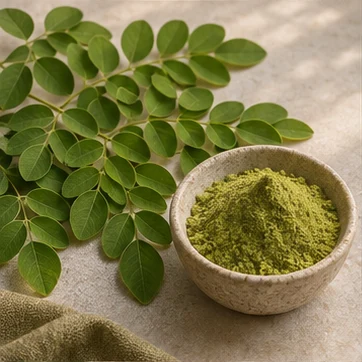
Loose powder is typically made by drying and grinding moringa leaves, allowing the resulting material to be mixed directly into food or beverages. Many capsules contain essentially the same powdered ingredient enclosed in a capsule shell. However, some products marketed as moringa capsules contain concentrated extracts rather than ordinary whole-leaf powder, and these should not be assumed to deliver the same compounds or effects at equivalent weights.
Moringa tea introduces an additional difference because brewing dried leaves in water extracts some water-soluble compounds without necessarily delivering the entire nutritional composition of the original leaf material. The amount transferred into the beverage depends on the preparation, water temperature, brewing duration, amount of plant material, and other factors.
Although liquids and concentrated extracts are sometimes marketed as faster-acting products, there is insufficient direct human evidence showing that moringa tea or liquid preparations produce clinically meaningful benefits more rapidly than powder or standard capsules. Even if a particular compound were absorbed faster from one formulation, that would not automatically establish a stronger improvement in blood sugar, inflammation, or another health outcome.
For most readers, the more practical considerations are the type of moringa ingredient, the amount provided per serving, whether the product has been appropriately tested, and whether the preparation fits comfortably into their diet. Someone who dislikes the flavor may prefer capsules, while another person may enjoy incorporating a small amount of powder into meals.
Our comparison of moringa powder and capsules examines the differences in formulation, dosage, convenience, and the evidence surrounding claims of superior absorption.
Does Taking Moringa Every Day Make It Work Faster?
Taking moringa every day does not guarantee that it will produce benefits more quickly or that a particular outcome will eventually improve. Clinical trials commonly use regular supplementation schedules because consistent exposure helps researchers evaluate whether a preparation produces measurable changes over a defined period. However, a study instructing participants to take moringa daily does not establish that daily consumption is necessary or beneficial for every potential use.
Some outcomes, such as post-meal glucose responses, have been examined after a single serving. Other outcomes, including fasting glucose, HbA1c, and physical performance, have been evaluated after repeated supplementation. These different study designs reflect the questions researchers were asking rather than a universal process in which moringa gradually accumulates until it starts working.
For example, the four-week diabetes trial used regular daily supplementation but did not demonstrate a significant glucose-related benefit. Conversely, the 12-week prediabetes trial reported favorable changes in certain outcomes after consistent use. The difference between these findings cannot be attributed to duration alone because the studies differed in several important ways.
Longer use also introduces safety considerations. Short clinical trials generally cannot determine whether taking a botanical supplement for several years is beneficial or safe. Researchers have not established an optimal duration for routine moringa supplementation, and evidence about uncommon adverse reactions, medication interactions, and long-term exposure remains limited.
Our guide to taking moringa every day provides a more detailed discussion of long-term safety, human study durations, and the reasons that consistent daily consumption should not automatically be equated with greater health benefits.
Does the Amount of Moringa You Take Affect How Quickly It Works?
There is insufficient evidence to determine whether larger amounts of moringa consistently produce faster or stronger health benefits. Establishing a meaningful dose-response relationship generally requires studies that compare multiple doses under similar conditions while measuring both benefits and harms. Ideally, those studies would include random assignment, suitable comparison groups, and enough participants to detect clinically important differences.
The existing literature does not provide a dependable dose-response relationship for most proposed moringa benefits. One trial reported favorable glucose-related results with 2.4 grams daily over 12 weeks, while another found no significant glucose benefit from eight grams daily over four weeks. Because the participants and study designs differed, those findings do not establish that smaller amounts are better or that larger amounts are ineffective.
The 2025 acceptability study offers a clearer comparison of different amounts, although it focused on tolerability rather than therapeutic effectiveness. Participants receiving approximately 7.2 grams daily reported more gastrointestinal symptoms than those receiving approximately 2.4 grams. Increasing the amount therefore introduced additional discomfort without demonstrating a corresponding improvement in clinical outcomes.
It is also important to distinguish dried leaf powder from extracts. A capsule labeled as containing 500 milligrams of moringa extract may not be chemically equivalent to 500 milligrams of whole-leaf powder. An extract ratio alone does not establish that the preparation contains a clinically effective concentration of a particular compound.
If you have not experienced a noticeable effect from moringa, increasing the amount is not an evidence-based way to accelerate results. The appropriate serving depends on the product, individual health circumstances, and intended use, and there is no established therapeutic dose for many of the conditions associated with moringa marketing.
How Can You Tell Whether Moringa Is Actually Working?
Determining whether moringa is helping depends primarily on why you started taking it. Someone using moringa as an occasional food ingredient may simply be interested in dietary variety, while another person may be hoping to improve an objectively measurable health outcome. These goals should be evaluated differently because not every nutritional benefit produces a noticeable sensation.
If your goal involves blood sugar, blood pressure, or another medical measurement, relying on how you feel is not sufficient to determine whether the supplement has produced a meaningful effect. These outcomes may change without producing obvious symptoms, and individual readings can fluctuate for reasons unrelated to supplementation. Monitoring decisions should be made with a healthcare professional, particularly if you have a diagnosed condition or take medication.
For example, someone with prediabetes might be interested in changes in fasting glucose or HbA1c, but those results should be interpreted alongside dietary changes, physical activity, weight changes, medications, and other relevant factors. A favorable result after beginning moringa does not automatically establish that moringa caused it, especially when several aspects of someone's routine have changed simultaneously.
If your goal is improved energy or exercise performance, it may be helpful to consider whether you are consistently sleeping well, eating adequately, and maintaining similar activity patterns before drawing conclusions about a supplement. Even a noticeable improvement in how you feel cannot establish causation when no appropriate comparison is available.
Readers should also be cautious about treating the absence of symptoms as proof that a supplement is effective. Some products may produce no noticeable sensations despite containing biologically active compounds, while others may produce unpleasant symptoms without providing any benefit.
We encourage evaluating moringa against a clearly defined goal rather than continuing indefinitely because a product description suggests that results will eventually appear. If a health concern is important enough to justify monitoring, it is worth discussing appropriate measurements and follow-up with your primary care provider.
What Do Healthcare Professionals and Moringa Researchers Say?
Healthcare professionals and researchers generally provide a more cautious perspective on moringa than many commercial supplement descriptions, particularly when discussing the difference between nutritional value and demonstrated clinical effectiveness.
In a January 2026 article published by Cleveland Clinic, registered dietitian Julia Zumpano, RD, LD, discussed moringa as a nutrient-dense leafy food that can be incorporated into a varied diet. Her comments emphasized its nutritional characteristics and culinary uses rather than presenting moringa as a proven treatment for chronic disease. This perspective is useful because a plant can contribute valuable nutrients to a meal without having enough clinical evidence to support specific claims about energy, weight loss, or blood sugar.
You can read the Cleveland Clinic discussion of moringa's nutritional properties.
Researchers Frederick Owens and colleagues also examined moringa's potential effects on blood glucose in a 2020 scoping review. Their analysis identified several human studies reporting favorable findings, but the authors concluded that the evidence was not strong enough to recommend moringa as a default treatment for diabetes. Their discussion reflects an important limitation of early supplement research: individual positive studies can suggest potential benefits without establishing that an intervention should become part of routine medical care.
A more recent perspective comes from the researchers responsible for the 2025 randomized-trial meta-analysis. After reviewing controlled studies involving hundreds of participants, Crișan and colleagues concluded that moringa had not demonstrated consistent cardiometabolic benefits and that the certainty of the available evidence was very low. They emphasized the need for larger and more rigorously designed clinical trials before reliable treatment recommendations could be established.
The authors of the 2024 exercise-performance study offered a somewhat more encouraging interpretation for their specific area of investigation. Their findings suggested that moringa leaf aqueous extract might influence selected physical-performance and metabolism-related outcomes after 30 days. However, because the study was preliminary, small, and limited to young men, it cannot establish that ordinary moringa supplements improve everyday energy levels across different populations.
For readers considering moringa, these perspectives support treating the plant as an interesting nutritional ingredient with several areas of ongoing research rather than assuming it is a supplement with a predictable therapeutic timeline.
What Do Reddit Users and Supplement Blogs Say About How Long Moringa Takes to Work?
To understand what consumers are reporting outside formal clinical research, we searched public discussions on Reddit, including r/Supplements, r/Herbalism, and r/Biohackers, along with online articles from Healthline, Moringa BURST, Attain Supplements, and the iHerb Wellness Hub. These sources provide insight into expectations, common questions, and individual experiences with moringa, but their content should be distinguished from controlled clinical evidence.
We found considerable variation in the timelines consumers described. Some people reported noticing changes within a few days, others described improvements after several weeks, and some reported taking moringa for a month or longer without identifying a meaningful difference. These observations are useful for understanding the range of experiences people discuss online, but they cannot establish how quickly moringa works or whether the plant caused the reported changes.
Experiences Shared on r/Supplements
In a July 2024 discussion specifically asking how long moringa takes to work, one participant reported noticing an improvement in mood after three days of taking moringa powder. This represents an early subjective experience, but the discussion did not provide controlled measurements or enough information to establish that the change was caused by moringa.
A January 2026 discussion on r/Supplements included a participant who reported experiencing reduced sugar cravings and appetite after approximately three weeks of taking moringa every morning. Other commenters described their own experiences with appetite, digestion, and weight-related changes.
These reports may sound encouraging to someone considering moringa for appetite control, but they should not be interpreted as evidence that moringa reliably reduces cravings after three weeks. Appetite can fluctuate with sleep, stress, meal composition, hormonal changes, medication use, and numerous other factors. The discussion did not include a placebo comparison or objectively measured changes in food intake.
Another January 2026 r/Supplements discussion presented a more mixed picture. One participant reported taking moringa for several months without noticing much improvement in gastrointestinal symptoms. Another described using it for approximately one month without being certain whether it produced any meaningful changes, while others discussed possible digestive discomfort and concerns about supplement sourcing.
The range of responses is informative because it contrasts with commercial descriptions suggesting that everyone progresses through a similar sequence of benefits.
Experiences Shared on r/Herbalism and r/Biohackers
In a public r/Herbalism discussion about consuming too much moringa, participants described unwanted effects, including digestive discomfort and dizziness. Some suggested smaller amounts based on their personal experiences, although these recommendations were not established through controlled clinical trials.
A separate r/Biohackers discussion about positive and negative moringa experiences included reports involving energy, gastrointestinal tolerance, capsule preferences, and concerns about laboratory measurements. These accounts reinforce the importance of distinguishing subjective improvements from medically meaningful outcomes, particularly when users consume several supplements simultaneously.
We also encountered a February 2026 r/Supplements discussion in which a participant described improved energy after a couple of weeks. Several commenters questioned whether the discussion contained promotional content, and other comments raised concerns about product recalls. This highlights another limitation of online testimonials: it can be difficult to verify whether a recommendation is independent, whether the product was accurately identified, or whether the reported experience is representative.
What Supplement Blogs Recommend
Commercial supplement blogs frequently describe relatively specific timelines. An article from Moringa BURST suggested that some benefits may become noticeable over days to weeks, while other changes may require several months. Similarly, Attain Supplements described energy improvements within one to two weeks and broader effects over four to eight weeks.
These timelines are understandable from a marketing perspective because readers want a practical answer before buying a product. However, the available human studies do not establish that these periods are typical or predictable for ordinary moringa supplementation.
Healthline's moringa overview discusses nutritional properties, potential benefits, and limitations of the research. Its frequently asked questions also mention the possibility of effects beginning within 24 hours, while acknowledging that more research is needed. Acute biomarker studies help explain why such a short timeframe may be discussed, but they do not establish that a person will notice better energy, lower inflammation, or improved long-term health after one day.
The iHerb Wellness Hub offers practical information about incorporating moringa powder into foods and beverages. Its discussion is more useful for understanding culinary preparation and serving preferences than for determining the onset of a clinically proven therapeutic effect.
What Can We Learn From These Online Experiences?
The strongest recurring theme across the discussions is variability. People describe different preparations, amounts, reasons for use, and perceived outcomes. Some report feeling more energetic, while others notice digestive symptoms or no meaningful change at all. Many discussions also involve additional supplements, dietary adjustments, or products with ingredients that cannot be independently verified.
Personal experiences can help identify questions worth researching, but they cannot establish effectiveness, causation, or safety. A report that someone felt better after 14 days does not mean moringa generally works in two weeks, just as a report of no benefit after three months does not establish that the plant is ineffective for every possible outcome.
For Root & Evidence, these discussions are most useful when considered alongside clinical research rather than used as substitutes for it. They reveal what people hope moringa will accomplish and which claims deserve closer examination, while controlled studies provide a more reliable basis for evaluating whether those expectations are supported.
What Are the Risks of Taking Moringa While Waiting for Results?
Although moringa leaves have a long history of culinary use, that does not establish the safety of every commercial supplement or concentrated extract. The amount consumed, product quality, individual health circumstances, and duration of use can all influence potential risks. Human studies have generally been too small or too short to identify uncommon adverse reactions or establish the safety of taking moringa supplements indefinitely.
Digestive discomfort is one of the more directly documented concerns. The 2025 acceptability study found more gastrointestinal symptoms among participants consuming approximately 7.2 grams daily than among those assigned approximately 2.4 grams. Although the symptoms were generally mild in that study, an individual experiencing persistent abdominal pain, vomiting, diarrhea, or other concerning symptoms should not assume that continuing moringa will eventually produce benefits.
Potential medication interactions also deserve consideration. Because researchers have investigated moringa's effects on glucose regulation and blood pressure, people taking medications for these conditions should discuss supplementation with their healthcare team. Formal interaction studies remain limited, so the absence of a documented interaction should not be interpreted as proof that every combination is safe.
Pregnancy and breastfeeding require additional caution because evidence about different moringa preparations and outcomes is incomplete. The safety of ordinary culinary leaves cannot automatically be extended to concentrated extracts, seeds, roots, or other preparations. Anyone who is pregnant, breastfeeding, or managing a complex medical condition should seek individualized advice before taking moringa supplements.
Important 2026 Moringa Product Recalls
Product contamination is particularly important because several Salmonella outbreaks involving moringa-containing products were investigated in the United States during 2025 and 2026.
In its July 22, 2026 update, the Centers for Disease Control and Prevention reported 131 illnesses and 36 hospitalizations across 38 states in a multistate outbreak associated with contaminated moringa leaf powder products. Although the investigation was closed, the CDC advised consumers to check their homes because recalled products may have long shelf lives.
A separate outbreak investigation involving MOGO-brand moringa capsules was closed in July 2026. The FDA identified specific affected lots and advised consumers not to use recalled products. Other investigations and recalls have involved additional moringa-containing supplements.
Readers who already have moringa at home should check the product name, manufacturer, lot number, and expiration date against official notices before continuing use. These contamination events do not mean that every moringa product is unsafe, but they demonstrate why product quality and recall information are essential parts of responsible supplement guidance.
You can review the CDC's moringa leaf powder outbreak information and our regularly maintained moringa safety and recall information.
Should You Keep Taking Moringa If You Do Not Notice Results?
There is no scientifically established number of days or weeks that everyone should take moringa before deciding whether to continue. A reasonable decision depends on your original purpose, the preparation being used, your health circumstances, whether you tolerate the supplement, and whether there is reliable evidence for the outcome you hope to improve.
If you are using a small amount of moringa leaf powder as a food ingredient and enjoy its flavor, there may be no reason to expect a noticeable sensation from every serving. The decision to include it in your diet can be based on dietary preferences and nutritional variety, provided the product is appropriate for you and has been safely sourced.
If you are taking moringa specifically to improve blood sugar, blood pressure, fatigue, or another medical concern, the decision deserves a different level of scrutiny. The existing trials do not establish that everyone should complete a four-week, eight-week, or 12-week course. Continuing a supplement solely because a commercial website promises that benefits will eventually appear may expose you to unnecessary expense or adverse effects without a demonstrated benefit.
For someone using moringa in pursuit of a measurable health outcome, we would encourage discussing an appropriate assessment plan with their clinician before beginning or continuing supplementation. A healthcare professional can help determine whether the intended outcome is worth monitoring, whether better-supported interventions are available, and whether a supplement could interfere with existing treatment.
You can also review our guide to the best time to take moringa powder for information about morning versus evening consumption, taking moringa with meals, and why dosing schedules have not been shown to guarantee faster results.
Frequently Asked Questions About How Long Moringa Takes to Work
Does moringa work in three days?
Some people report noticing subjective changes after a few days, but there is insufficient controlled human evidence to establish that ordinary moringa supplementation reliably produces meaningful health benefits within three days. Small studies have measured acute biochemical responses, although these do not demonstrate improvements in everyday energy, symptoms, or long-term health.
Can you feel moringa working on the first day?
There is no scientifically validated sensation indicating that moringa has started working. Nutrients and plant compounds can be processed after consumption without producing an obvious physical change, and a noticeable sensation after a supplement does not automatically establish a health benefit.
How long does moringa take to work for energy?
There is no established timeline for improved everyday energy from ordinary moringa leaf powder. A small randomized pilot study reported favorable exercise-performance findings after 30 days of a leaf extract, while a separate four-week study examined fatigue-related symptoms using seed extract. Neither establishes that conventional moringa capsules or tea reliably improve energy within a particular number of days.
Does moringa need to build up in your system?
Human research has not established that moringa leaf powder must accumulate in the body for a specific number of days before it becomes effective. Moringa contains many different nutrients and plant compounds that are processed through different physiological pathways, rather than functioning as one substance with a single established buildup or clearance period.
How long does moringa stay in your system?
There is no validated single elimination time for moringa leaf powder. Different components are digested, absorbed, metabolized, and eliminated at different rates, and the available human research does not provide a clinically useful universal timeframe for how long the effects of a moringa supplement persist.
Is moringa more effective in the morning or at night?
There is insufficient human evidence showing that morning consumption is more effective than nighttime consumption. Some people prefer taking moringa with breakfast or lunch because it fits naturally into meals, while others may choose a different schedule based on their routine and digestive tolerance. The time of day has not been shown to establish a faster onset of health benefits.
Is moringa tea faster than moringa capsules?
No well-controlled human evidence establishes that moringa tea produces clinically meaningful benefits faster than capsules. These preparations can contain different amounts and types of plant compounds, and faster absorption of a particular component would not necessarily mean better health outcomes.
How long should I take moringa before giving up?
There is no universal evidence-based trial period. If you are using moringa to manage a particular health concern, discuss whether the supplement is appropriate and whether there is a meaningful outcome to monitor with your healthcare professional. Continuing indefinitely because no benefit has appeared is not supported by the available research.
What happens if you take moringa every day for a month?
A month of daily moringa supplementation may produce no noticeable change, and outcomes depend on the preparation and the individual. A four-week randomized study involving adults with untreated type 2 diabetes found no significant improvement in fasting glucose or HbA1c compared with placebo, while a separate 30-day pilot study involving young men reported favorable changes in selected exercise-performance tests after leaf-extract supplementation.
Does moringa work for everyone?
No. Human research has not established consistent benefits across the different populations, formulations, and outcomes studied. Individual responses may vary, and a favorable finding in one clinical trial does not guarantee that the same effect will occur in someone using a different product.
The Bottom Line: How Long Should You Expect Moringa to Take?
Moringa is an interesting botanical ingredient with nutritional value and a growing body of human research, but there is currently no reliable scientific basis for promising that it will produce noticeable benefits within three days, two weeks, one month, or any other fixed period. Some studies have observed changes in biochemical markers within hours, while others have examined glucose regulation, physical performance, and cardiometabolic outcomes over several weeks or months.
The most important limitation is that these studies have not consistently demonstrated meaningful benefits across the outcomes investigated. A small trial reporting improvements after 12 weeks does not establish a universal timeframe, particularly when other randomized trials produce negative findings and a broader meta-analysis rates the available evidence as very low certainty. The type of moringa product, study population, measured outcome, and quality of the research all influence how the findings should be interpreted.
For readers interested in moringa as a food, incorporating a modest amount of safely sourced leaf powder into meals may be a reasonable way to increase dietary variety, provided it is appropriate for their circumstances. However, the decision to take moringa for a diagnosed condition, persistent fatigue, weight management, or another medical goal should involve a careful consideration of the available evidence and a conversation with a qualified healthcare professional.
At Root & Evidence, our goal is to help you understand what researchers actually tested so that you can make informed decisions without relying on exaggerated promises. Moringa may have potential applications that future studies clarify, but the current evidence does not justify expecting a predictable sequence of health benefits simply because you have taken it consistently.
If you would like to continue exploring the science, our complete moringa research guide provides an overview of clinical studies, potential benefits, and safety considerations. You can also review our moringa dosage guide, powder versus capsules comparison, guide to daily moringa use, and moringa timing guide. Each explores a different practical question using the same evidence-focused approach.
Final medical disclaimer: This article summarizes published scientific evidence and is not intended to diagnose, treat, cure, or prevent any disease. Consult your primary care provider or another qualified healthcare professional before using moringa for a medical purpose or making changes to medications or existing treatment.
References and Further Reading
The following publications were reviewed for this article. Clinical trials and systematic reviews were prioritized for questions about effectiveness, while public health sources were used for safety information. Online consumer discussions were evaluated separately and were not considered evidence of treatment effectiveness.
Ngamukote S, et al. (2016). Moringa oleifera leaf extract and plasma antioxidant status in healthy volunteers. PubMed.
Moringa leaf powder and insulin secretion after a single dose in healthy subjects. (2016). Journal of the Medical Association of Thailand. PubMed.
Leone A, et al. (2018). Effect of moringa leaf powder on postprandial glucose responses. Nutrients. PubMed.
Taweerutchana R, et al. (2017). Effect of moringa leaf capsules on glycemic control in untreated type 2 diabetes. PubMed.
Gómez-Martínez S, et al. (2022). Moringa leaf supplementation and glycemic control in prediabetes. Nutrients. PubMed.
Gómez-Martínez S, et al. (2022). Moringa supplementation and inflammatory and cardiometabolic markers in prediabetes. Nutrients. PubMed.
Dong W, et al. (2024). Moringa leaf extracts and exercise performance in young men. Phytomedicine. PubMed.
Matias SL, et al. (2025). Acceptability of moringa leaf powder among healthy adults. Preventive Medicine Reports. PubMed.
Crișan D, et al. (2025). Moringa supplementation and cardiometabolic outcomes: Meta-analysis of randomized controlled trials with GRADE assessment. Nutrients. PubMed.
Samarin MM, et al. (2026). Effects of moringa on body weight and blood pressure: Systematic review and meta-analysis. Food Science & Nutrition. PubMed.
Abe A, et al. (2023). Moringa seed extract and fatigue-related physical discomfort in healthy adults. Functional Foods in Health and Disease. Original publication.
Centers for Disease Control and Prevention. (2026). Salmonella outbreak linked to moringa leaf powder. CDC investigation.
Editorial note: This is a focused educational review of selected human research, not a formal systematic review or independent clinical assessment. The primary clinical evidence and public health sources were checked November 5, 2026. The timing of new studies and recall updates may require subsequent revisions.