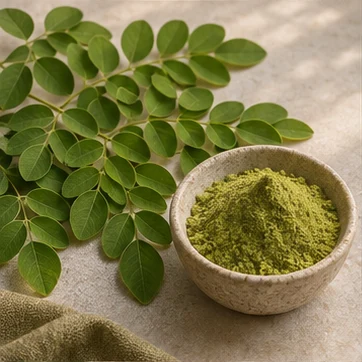
By Root & Evidence Editorial | Research reviewed November 5, 2026
Medical disclaimer: This article is for educational purposes only and summarizes findings from published scientific studies. It is not medical advice, a diagnosis, or a personalized recommendation to take moringa. Always consult your primary care provider, OB/GYN, pharmacist, or another qualified healthcare professional before starting a supplement, especially if you are pregnant, breastfeeding, trying to conceive, taking medications, or managing a medical condition. Do not replace prescribed treatments with moringa.
Moringa has become increasingly popular among women looking for natural ways to support their energy, hormonal health, fertility, and overall nutrition. Sometimes called the "miracle tree," Moringa oleifera is frequently promoted as a supplement that can balance hormones, improve menstrual cycles, increase breast-milk production, relieve menopause symptoms, and support healthier hair and skin. With so many potential benefits appearing on supplement labels and wellness websites, it is reasonable to wonder which of these claims are supported by scientific research and which are based primarily on traditional use or early laboratory findings.
The current human evidence suggests that moringa may help increase breast-milk production in some postpartum women and may improve certain nutritional or laboratory measurements in selected populations. However, there is not enough reliable clinical evidence to conclude that moringa balances female hormones, improves fertility, treats PCOS, relieves menstrual cramps, or reduces menopause symptoms. Although the plant contains several important nutrients and biologically active compounds, its nutritional composition alone cannot establish that taking moringa powder or capsules will produce these health benefits.
At Root & Evidence, we approach supplement research by examining the people who participated in clinical trials, the exact preparation they received, the amount consumed, and the outcomes researchers measured. We also look for studies that did not find a benefit, because these are just as important when deciding whether a supplement's reputation is supported by the broader evidence.
Our complete moringa research guide introduces the plant, its nutritional properties, clinical research, and safety considerations. This article focuses specifically on women's health, including menstruation, fertility, pregnancy, breastfeeding, menopause, anemia, and the other benefits frequently associated with moringa. We will compare the available human studies, explain where the evidence remains limited, and help you understand which claims deserve the most caution.
What Are the Benefits of Moringa for Women?
Moringa leaves contain nutrients that contribute to normal physiological functioning, including iron, calcium, magnesium, carotenoids, and various plant-derived compounds. These nutrients are relevant to women throughout different stages of life, particularly when nutritional requirements change during menstruation, pregnancy, breastfeeding, and aging. However, moringa's nutrient content varies depending on how the leaves are grown, dried, stored, and prepared, and the amount provided by a typical supplement serving may be considerably smaller than the amounts examined in nutrition studies.
Human researchers have investigated moringa in several populations, including adolescent girls, postmenopausal women, adults with prediabetes, and breastfeeding mothers. Some studies have reported improvements in hemoglobin, antioxidant-related laboratory measurements, or breast-milk output. Other trials have found no significant differences in glucose-related outcomes, and many of the most popular claims about hormones, menstrual symptoms, and fertility remain inadequately investigated.
The following table summarizes the available findings without assuming that one favorable result applies to every woman or every moringa product.
| Potential benefit for women | What human research shows | Current interpretation |
|---|---|---|
| Breast-milk production | Multiple studies and a 2026 meta-analysis report higher milk output, although individual trials and study methods differ | Encouraging evidence, with important limitations |
| Iron and hemoglobin | Studies in adolescent girls and postmenopausal women report improved hemoglobin measurements | Promising nutritional evidence, not established anemia treatment |
| Menopause symptoms | A small study measured antioxidant markers and hemoglobin, but not hot flashes or other major symptoms | Symptom relief not established |
| Hormonal balance | No convincing clinical evidence of generalized estrogen, progesterone, or testosterone regulation | Unsupported as a broad claim |
| PCOS | Animal studies report metabolic and ovarian changes | Human treatment benefit not established |
| Fertility | One small human pilot examined biomarkers but did not demonstrate improved pregnancy outcomes | Insufficient evidence |
| Menstrual cramps and PMS | No convincing controlled human evidence establishing symptom improvement | Not established |
| Blood sugar | Some trials show favorable changes, while others and a major meta-analysis show inconsistent results | Very low certainty for studied glycemic outcomes |
| Weight management | Controlled research has not established consistent meaningful weight loss | Not established |
| Skin and hair health | Nutritional plausibility and limited experimental research, but inadequate direct clinical evidence | Not established |
| Bone health | Nutrient content may contribute to diet, but protection against osteoporosis has not been demonstrated | Not established |
These categories should not be interpreted as interchangeable. Breast-milk volume is a directly measurable outcome involving postpartum physiology, whereas hormonal balance is a broad marketing term that can refer to several different hormonal pathways. Likewise, improved hemoglobin in a nutritionally vulnerable population does not establish that a healthy woman taking a small daily capsule will experience more energy or better exercise performance.
What Have Clinical Studies Actually Found About Moringa in Women?
Several women-specific human studies provide a more useful foundation than general descriptions of moringa's antioxidant or anti-inflammatory properties. These investigations differ considerably in design and quality, so we should examine them individually rather than combine all favorable findings into a single conclusion about women's health.
| Study | Participants | Preparation and duration | Main findings |
|---|---|---|---|
| Golshan-Tafti et al., 2026 | 14 studies, 865 breastfeeding women | Different moringa formulations and intervention periods | Meta-analysis reported greater milk production overall |
| Fungtammasan et al., 2022 | 88 postpartum women | 900 mg/day leaf capsules; early postpartum | Milk volume was 47% higher numerically, but not statistically significant |
| Attia et al., 2025 | 50 breastfeeding mother-infant pairs | 20 g/day leaf powder for 3 months | Greater expressed milk output; no improvement in infant growth |
| Kushwaha et al., 2014/2015 | 90 postmenopausal women | 7 g/day leaf powder for 3 months in one intervention group | Favorable changes in selected antioxidant markers, hemoglobin, and fasting glucose |
| Khanam et al., 2022 | 226 adolescent girls | Moringa-containing school meals for 6 months | Improved hemoglobin and serum retinol compared with control-school meals |
| Onyeaghala et al., 2024 | 60 randomized women with infertility | 2 g/day capsules for 4 weeks in intervention group | Biomarker differences were not statistically significant |
The strongest design for evaluating whether a supplement causes a benefit is generally a well-conducted randomized controlled trial comparing the intervention with an appropriate placebo or control. Randomization reduces systematic differences between groups, while blinding can help prevent expectations from influencing outcomes. These protections become particularly important when studying subjective symptoms, such as fatigue, pain, mood, or perceived milk supply.
Some moringa studies use randomized and blinded designs, while others involve participants who know they are receiving the supplement, schools assigned different meals, or comparison groups that receive different levels of attention. These methodological differences affect how confidently we can attribute a favorable finding to moringa rather than to other influences.
Another concern is that several publications evaluate different outcomes from the same participants. For example, the 2024 milk-composition paper and the 2025 milk-output paper by Attia and colleagues arise from the same Kenyan maternal supplementation trial. They contribute information about different outcomes, but they should not be counted as two independent groups of breastfeeding mothers.
Does Moringa Help Balance Female Hormones?
Moringa is frequently advertised as a natural hormone-balancing supplement, but there is currently insufficient clinical evidence to support that general claim. Women's hormonal health involves multiple interacting systems, including ovarian hormones such as estrogen and progesterone, pituitary hormones such as follicle-stimulating hormone and luteinizing hormone, thyroid hormones, insulin, and stress-related hormones. Improving one hormonal measurement under a specific experimental condition does not establish that a supplement regulates all of these pathways.
Some laboratory and animal studies have investigated whether moringa extracts influence reproductive hormone concentrations, ovarian function, inflammatory signaling, and insulin resistance. Researchers have identified biologically active substances in moringa that may interact with hormonal pathways, but these experiments often use concentrated extracts or amounts that do not correspond to ordinary dietary consumption. Results from rodents or isolated cells cannot establish that the same effects will occur in women taking commercially available moringa capsules.
For example, animal studies involving experimentally induced polycystic ovary syndrome have reported changes in testosterone-related pathways, insulin measurements, and ovarian characteristics after moringa administration. Although these results provide a possible direction for future research, the hormonal abnormalities produced in animal models do not fully reproduce the complexity of human PCOS or other reproductive conditions.
It is also worth considering what consumers mean when they say their hormones are unbalanced. Irregular menstrual cycles, acne, hair loss, fatigue, mood changes, and weight fluctuations can have different underlying causes, and not all require or benefit from the same intervention. Some may be associated with endocrine conditions, while others may relate to medications, nutritional status, stress, or normal physiological changes.
If you are considering moringa because of suspected hormonal problems, identifying the specific symptoms and underlying cause is more useful than relying on a supplement marketed for generalized hormonal balance. A healthcare professional can help determine whether any laboratory testing or treatment is appropriate.
Does Moringa Increase Estrogen or Progesterone in Women?
There is no convincing human clinical evidence demonstrating that ordinary moringa leaf supplementation consistently increases estrogen or progesterone concentrations in women. Although certain moringa-derived compounds have demonstrated hormone-related activity in experimental settings, those findings cannot be used to predict the response to a typical serving of dried leaf powder.
Estrogen and progesterone naturally fluctuate throughout the menstrual cycle and change substantially during pregnancy, breastfeeding, perimenopause, and menopause. A single hormone measurement may be difficult to interpret without considering the timing of collection, menstrual history, medications, and other clinical factors. Demonstrating that a supplement regulates these hormones would require appropriately designed studies with repeated measurements and meaningful clinical outcomes.
An additional consideration is that increasing hormone concentrations is not automatically desirable. A woman with irregular cycles may have a very different underlying condition from someone experiencing hot flashes after menopause, and the appropriate approach to these concerns depends on the specific diagnosis. A product that claims to "raise estrogen naturally" or "boost progesterone" should therefore be evaluated with particular caution unless human studies demonstrate what was measured and whether the resulting changes were beneficial.
For women with a history of hormone-sensitive cancer or those receiving hormonal treatment, it is especially important not to assume that plant-derived substances are hormonally inactive or automatically safe. The clinical significance of moringa's experimental hormone-related properties remains uncertain, and supplement decisions should be discussed with the treating healthcare team.
Can Moringa Help With PCOS?
Polycystic ovary syndrome, commonly called PCOS, is a complex condition involving reproductive and metabolic features that can include irregular menstrual cycles, elevated androgen activity, insulin resistance, acne, and difficulty conceiving. Because researchers have investigated moringa's possible effects on insulin signaling and inflammation, the plant has attracted interest as a potential complementary intervention for PCOS.
The most directly relevant research has largely involved animal models rather than clinical trials in women. In a 2023 study published in Food Science & Nutrition, researchers examined moringa leaf supplementation in rats with PCOS-like features induced using letrozole. The investigators reported changes in oxidative-stress markers, inflammatory signaling, insulin resistance, sex hormone measurements, and intestinal microbiota composition.
Another experimental study investigated moringa in rats with PCOS-like features induced through testosterone administration. Researchers reported more favorable insulin, glucose, inflammatory marker, and ovarian follicle measurements in the moringa-treated animals compared with untreated PCOS-model animals.
These experiments are interesting because insulin resistance and altered ovarian function are relevant to PCOS in humans. However, the effects observed in animals do not establish that moringa improves ovulation, menstrual regularity, androgen concentrations, or pregnancy rates in women with PCOS. Animal models also use standardized experimental conditions that differ considerably from the diverse presentations of PCOS in clinical practice.
A woman with PCOS who experiences a return of her period after beginning moringa may reasonably wonder whether the supplement contributed. Unfortunately, menstrual cycles can fluctuate independently of a supplement, particularly when changes in weight, dietary intake, activity, stress, or medications occur at the same time. A personal improvement does not establish that moringa treated the underlying condition.
If PCOS is your main reason for researching moringa, the existing evidence is not sufficient to recommend it as a treatment. Management should be guided by your symptoms, metabolic health, and reproductive goals, with established approaches discussed with your OB/GYN or another qualified healthcare professional.
Can Moringa Improve Menstrual Cycles or Relieve Period Cramps?
There is not enough reliable human research to establish whether moringa reduces menstrual cramps, improves premenstrual syndrome, decreases heavy menstrual bleeding, or makes irregular periods more predictable. Although moringa contains plant compounds with anti-inflammatory activity in laboratory and animal studies, those findings do not demonstrate that taking moringa relieves the uterine contractions and inflammatory processes associated with menstrual pain.
Menstrual cramps are influenced in part by prostaglandins, which are naturally occurring substances involved in uterine contractions and pain signaling. Some well-established approaches to menstrual pain act on these pathways, but a supplement containing compounds with general anti-inflammatory activity does not necessarily have comparable effects in humans. To evaluate moringa specifically, researchers would need controlled trials measuring outcomes such as pain intensity, medication use, menstrual flow, missed activities, and patient-reported symptom improvement.
Claims that moringa can regulate periods also require more precise evidence. Menstrual irregularity can result from several conditions, including PCOS, thyroid disorders, changes in energy availability, pregnancy, and other medical causes. Without establishing which population was studied and whether moringa changed cycle frequency or ovulation, descriptions of hormone balance do not provide meaningful evidence for menstrual regulation.
We also found online accounts describing changes in menstrual bleeding after consuming moringa-containing products, including an anecdote involving a combination of moringa, turmeric, and chamomile tea. Such reports cannot determine whether moringa caused the change because the product contained multiple ingredients and there was no controlled comparison.
If you experience unusually heavy bleeding, prolonged periods, new severe cramps, or menstrual changes that concern you, it is important to obtain appropriate medical evaluation rather than attempting to regulate your cycle with a supplement. These symptoms may have treatable underlying causes that moringa has not been demonstrated to address.
Does Moringa Improve Fertility or Help Women Get Pregnant?
There is currently insufficient evidence to conclude that taking moringa improves female fertility, increases ovulation, enhances egg quality, or raises the likelihood of pregnancy. Although some experimental studies suggest that moringa-derived compounds may influence reproductive biology, successful fertility treatment requires improvements in meaningful outcomes such as ovulation, conception, pregnancy continuation, or live birth.
One human pilot study published in 2024 provides a useful example of why the measured outcome deserves close attention. Researchers in Nigeria recruited women with infertility and screened their reproductive hormone profiles. Sixty women with normal measured hormone profiles were randomized into two groups, with one group receiving two grams of moringa capsules daily for four weeks and the other receiving no supplementation.
The investigators measured several laboratory indicators associated with oxidative stress and antioxidant activity. Although the supplemented group showed numerically more favorable measurements in some outcomes, the differences between the groups were not statistically significant. The study also experienced substantial loss to follow-up, which further limits confidence in its findings.
Most importantly, the study did not establish an improvement in pregnancy rates or live births. Even if an intervention changes an oxidative-stress biomarker, researchers still need to demonstrate whether that change improves reproductive outcomes. Laboratory indicators are useful for generating hypotheses, but they cannot substitute for evidence that more women become pregnant or have healthy pregnancies.
The original study is available at https://doi.org/10.26717/BJSTR.2024.54.008619.
For women actively trying to conceive, the absence of convincing efficacy evidence should be considered alongside unresolved safety questions. We would encourage discussing moringa and other herbal supplements with your reproductive healthcare team, especially if you are undergoing fertility treatment or may become pregnant during supplementation.
Is Moringa Good for Women Trying to Conceive?
Moringa can contribute nutrients when consumed as a food, but nutritional value should not be confused with a demonstrated fertility benefit. Adequate nutrition is important before pregnancy, and certain nutrients, particularly folic acid, have established roles in reducing specific pregnancy-related risks. However, the presence of naturally occurring folate or other nutrients in moringa does not mean the product provides an appropriate amount or formulation for preconception care.
A typical supplement serving may contain much less of a nutrient than the amount recommended for a specific health purpose. Nutrient levels can also vary across different products, and some naturally occurring forms may differ in bioavailability. For these reasons, moringa should not replace a recommended prenatal vitamin, appropriate folic acid supplementation, or an individualized nutrition plan.
There is also a distinction between using moringa leaves as part of an established food tradition and beginning concentrated herbal supplementation specifically to improve fertility. The amounts, preparations, and patterns of exposure may differ considerably, and animal findings involving reproductive activity cannot establish that concentrated extracts are safe around conception.
If you are preparing for pregnancy, we would prioritize a discussion with your healthcare professional about established preconception recommendations, medication review, nutritional needs, and any fertility concerns. Moringa has not been demonstrated to provide the reproductive benefits sometimes promised in supplement advertisements.
Is Moringa Safe During Pregnancy?
The safety of concentrated moringa supplements during pregnancy has not been adequately established, and pregnancy is a situation where we recommend particular caution. Some published studies have investigated moringa leaf preparations among pregnant women, especially in settings where maternal anemia and nutritional deficiencies are prevalent. However, the absence of reported harm in small studies does not establish that all moringa products, plant parts, or doses are safe throughout pregnancy.
A 2023 narrative review examined research on moringa supplementation during pregnancy and breastfeeding. After screening the available literature, the authors included 12 studies evaluating various maternal or infant outcomes. The review described potentially favorable findings involving nutritional measurements and other outcomes, while noting that the included studies did not report contraindications during their observation periods.
This finding must be interpreted within the limitations of the underlying studies. A relatively small trial may fail to identify uncommon adverse outcomes, and short-term follow-up may not detect effects occurring later in pregnancy or infancy. Some studies also combine moringa with other nutritional interventions, making it difficult to determine whether the plant itself produced any observed benefit.
Different parts of the moringa tree may also have different biological properties. Evidence about edible leaves cannot automatically establish the safety of roots, bark, seeds, or concentrated extracts. Experimental research has raised questions about reproductive effects from certain moringa preparations, although those studies do not establish that ordinary culinary use causes the same effects.
The NIH Office of Dietary Supplements guidance on supplements during pregnancy emphasizes that many botanical products lack adequate pregnancy-specific evidence and that their composition can vary considerably. Cleveland Clinic similarly recommends consulting an OB/GYN before consuming moringa during pregnancy or breastfeeding.
For someone who is pregnant or may become pregnant, we would not recommend independently starting a concentrated moringa supplement for hormonal health, blood sugar, or pregnancy support. Discuss the specific product and amount with your prenatal healthcare team, particularly if you have underlying conditions or take medications.
Does Moringa Increase Breast-Milk Production?
Breast-milk production is one of the more promising and directly studied potential benefits of moringa for women. Moringa leaves have traditionally been consumed to support lactation in several parts of Asia, particularly the Philippines, where the plant is commonly called malunggay. Researchers have now conducted multiple human studies examining whether moringa leaf powder or other preparations increase milk output among postpartum women.
A systematic review and meta-analysis published in April 2026 examined 14 studies involving 865 breastfeeding mothers. Six were randomized controlled trials, while eight used quasi-experimental controlled designs. The researchers reported a statistically significant pooled improvement in breast-milk production among participants receiving moringa compared with control groups.
The pooled standardized mean difference was 1.01, with a 95% confidence interval of 0.81 to 1.21. A standardized mean difference expresses the size of a result relative to the variation in measurements across studies, rather than directly representing an increase in milliliters of milk. This is useful when trials use different measurement methods, but it makes the result less straightforward to translate into the amount of extra milk an individual mother might produce.
The authors described the overall evidence as moderate quality and concluded that moringa may be a useful complementary approach for insufficient milk production. However, they also acknowledged that most studies were conducted in a limited number of countries, many used nonrandomized designs, and the preparations and outcome measurements varied.
These limitations are important when applying the findings to everyday breastfeeding decisions. A study measuring expressed milk volume after several days may not answer whether a healthy full-term infant gains more weight or whether exclusive breastfeeding becomes more sustainable over several months. Similarly, studies involving mothers with premature infants or low milk supply may not apply directly to women who already have adequate production.
What Did the 2022 Placebo-Controlled Trial Find?
A randomized, double-blind, placebo-controlled trial published in 2022 enrolled 88 women after uncomplicated deliveries. Participants were assigned to receive either 900 milligrams of moringa leaf powder daily or placebo, and researchers assessed breast-milk volume during the early postpartum period.
On the third day after delivery, median milk volume was 73.5 milliliters in the moringa group compared with 50 milliliters in the placebo group. Although the moringa group had a numerically higher volume, the difference was not statistically significant, with a reported p-value of 0.19.
The investigators described the amount as approximately 47% higher in the moringa group. That percentage may sound impressive when presented without context, but the trial did not establish a statistically significant difference between the groups. The distinction is important because a large relative percentage from a small study can still be compatible with substantial uncertainty.
At six months, approximately 52% of women in the moringa group were exclusively breastfeeding compared with approximately 46% in the placebo group. This difference was also not statistically significant, meaning the study did not establish that moringa improved longer-term exclusive breastfeeding rates.
What Did the 2025 Kenyan Trial Find?
A pilot trial published in 2025 investigated a substantially different intervention among 50 breastfeeding mother-infant pairs in Kenya. Mothers were assigned by geographic cluster to receive corn porridge with or without 20 grams of dried moringa leaf powder daily for three months.
At follow-up, the moringa group had greater expressed milk output, averaging approximately 947 milliliters compared with 618 milliliters among controls. The reported difference was statistically significant, with a p-value of 0.003.
However, the researchers did not observe improvements in infant growth or in several measured components of milk composition, including total lipid and protein concentrations. They also reported higher infant insulin-like growth factor 1 concentrations, although the clinical significance and longer-term implications of that finding remain uncertain.
This trial provides encouraging evidence about milk output in its studied population, but the serving was much larger than the amount used in the 2022 trial. The study was also relatively small, used cluster randomization, and involved a particular nutritional and geographic setting. Its findings do not establish that every breastfeeding mother should consume 20 grams of moringa powder daily.
What Does NIH LactMed Say About Moringa?
The NIH LactMed database, updated July 15, 2026, summarizes the clinical research on moringa and lactation. It acknowledges the favorable results reported in recent meta-analyses while also discussing small study sizes, methodological limitations, and the absence of sufficient long-term infant outcome data.
LactMed notes that short-term studies of moringa leaf consumption among breastfeeding mothers have generally not identified serious adverse effects in the studied mothers or infants. However, that observation should not be interpreted as a guarantee of safety for concentrated products or prolonged use, particularly because infant drug-level data and comprehensive long-term safety measurements are lacking.
The database also emphasizes that supplements intended to increase milk supply should never replace evaluation of modifiable factors affecting lactation. This includes assessing feeding effectiveness, milk removal, and other potential causes of low supply.
For a mother concerned about breast-milk production, we would encourage working with an International Board Certified Lactation Consultant or an appropriate healthcare professional before beginning a supplement. Moringa may have potential as an adjunct in selected circumstances, but decisions should account for the mother's medical history, infant growth, feeding patterns, and product safety.
Does Moringa Increase Prolactin Levels?
Some human studies have reported increases in prolactin after moringa supplementation, particularly among postpartum women. Prolactin is an important hormone involved in milk production, and researchers have investigated whether moringa influences this hormonal pathway as one possible explanation for changes in lactation.
A 2025 systematic review published in Foods evaluated eight studies involving postpartum women, with intervention periods ranging from approximately three to ten days. The review reported favorable changes in breast-milk volume and prolactin measurements across the studies it included, although the underlying trials differed in their methods and quality.
An important limitation is that prolactin concentration does not perfectly predict how much milk a mother produces. Breast-milk production is influenced by multiple physiological and behavioral factors, including the effectiveness and frequency of milk removal. A higher measured prolactin concentration therefore does not automatically establish that an infant receives enough milk or that breastfeeding outcomes improve.
The increase in prolactin observed in postpartum research should also not be generalized to women who are not breastfeeding. Prolactin has different clinical implications outside lactation, and there is insufficient evidence that moringa beneficially regulates prolactin in women with menstrual irregularities, infertility, or other endocrine concerns.
Can Moringa Help Prevent or Treat Anemia in Women?
Moringa has attracted attention for anemia because its leaves contain iron and other nutrients involved in normal red blood cell production. This is particularly relevant to women who menstruate, are pregnant, or have increased nutritional needs. However, the amount of iron provided by a specific serving and its absorption depend on the preparation, the rest of the diet, and the individual's underlying iron status.
One study published in Frontiers in Nutrition in 2022 examined 226 adolescent girls between 12 and 14 years of age in rural Bangladesh. The intervention group received moringa-containing school meals, while girls at a comparison school received meals without moringa. The intervention continued for six months and also included nutrition education.
After adjusting for several baseline characteristics, the researchers reported more favorable changes in hemoglobin and serum retinol among girls receiving the moringa-containing meals. This is an encouraging finding because the study evaluated nutritional outcomes in a population where dietary improvements could be particularly meaningful.
However, the intervention involved actual meals and nutrition education rather than simply giving participants a small moringa capsule. The schools were not individually randomized, and the comparison groups differed in some baseline characteristics. These limitations make it difficult to determine how much of the observed improvement was attributable specifically to moringa rather than to differences in the overall nutritional intervention.
A separate study involving postmenopausal women also reported favorable changes in hemoglobin after three months of moringa leaf supplementation. In the group receiving seven grams daily, mean hemoglobin increased from approximately 11.0 to 13.0 g/dL. The result deserves further investigation, although the study was small and did not use a blinded placebo-controlled design.
It is important to distinguish improving a nutritional marker from treating a diagnosed iron deficiency. Iron deficiency can result from heavy menstrual bleeding, inadequate dietary intake, gastrointestinal blood loss, impaired absorption, or other underlying conditions. Treatment may require a specific amount of elemental iron and evaluation of the underlying cause, neither of which can be assumed to be provided by ordinary moringa supplementation.
If you are experiencing fatigue, dizziness, shortness of breath, or other symptoms that could be associated with anemia, your healthcare professional may recommend blood testing and an individualized treatment plan. Moringa should not replace prescribed iron supplementation or delay investigation of significant blood loss.
What Are the Benefits of Moringa for Menopause?
Moringa is sometimes promoted as a natural supplement for menopause because its leaves contain antioxidants and nutrients associated with bone health and normal cellular functioning. Some websites suggest that moringa may help reduce hot flashes, improve sleep, stabilize mood, increase energy, or support hormonal balance during the menopausal transition.
The most frequently cited women-specific human study was conducted among 90 postmenopausal women between 45 and 60 years of age. Participants were divided into three groups of 30. One group received seven grams of moringa leaf powder daily, another received nine grams of amaranth leaf powder, and a control group received no supplementation. The intervention lasted three months.
Researchers assessed laboratory measurements involving antioxidant activity, oxidative stress, fasting blood glucose, and hemoglobin. In the moringa group, they reported increases in certain antioxidant enzyme measurements and reductions in malondialdehyde, a marker associated with lipid oxidation. They also reported favorable changes in fasting blood glucose and hemoglobin.
These results suggest that moringa consumption may influence certain nutritional and biochemical measurements among postmenopausal women. However, the study did not demonstrate that participants experienced fewer hot flashes, improved sleep, reduced vaginal dryness, better mood, or relief from other major menopause symptoms.
The study design also limits confidence in its findings. Participants were not compared through a fully blinded placebo-controlled trial, and some baseline measurements differed between groups. Dietary changes and other influences could have contributed to the observed results, making it inappropriate to interpret the findings as proof of a menopause-specific therapeutic effect.
Women experiencing bothersome menopause symptoms have established treatment options that can be tailored to their health history, preferences, and risk factors. Moringa may contribute nutrients when eaten as food, but it has not been demonstrated to substitute for treatments specifically studied for vasomotor or other menopause-related symptoms.
Does Moringa Help With Bone Health After Menopause?
Bone health is especially relevant after menopause because declining estrogen contributes to accelerated bone loss and increases the risk of osteoporosis. Calcium, vitamin D, protein, and other nutrients all contribute to maintaining skeletal health, so the presence of some bone-related nutrients in moringa has led to claims that it may strengthen bones.
Moringa leaves contain calcium and other minerals, but the amount obtained from ordinary servings varies considerably. A nutrient being present in a food does not establish that a typical supplement provides an effective amount, nor does it establish that the plant prevents osteoporosis or reduces fractures.
There is limited direct human research testing moringa supplementation for changes in bone mineral density among postmenopausal women. A small conference-reported study did not demonstrate an improvement in bone density after approximately 12 weeks, while some animal experiments have reported more favorable effects on bone-related measurements. Those animal findings cannot establish human fracture prevention or meaningful improvements in bone strength.
For readers concerned about bone health, the more useful considerations are adequate overall nutrition, appropriate calcium and vitamin D intake, resistance and weight-bearing exercise, and osteoporosis screening when indicated. If you have known low bone density or increased fracture risk, established prevention and treatment strategies have considerably stronger evidence than moringa supplementation.
Can Moringa Help With Weight Loss in Women?
Moringa is frequently marketed for weight management, often through claims involving appetite control, metabolism, inflammation, or insulin sensitivity. Some women describe fewer cravings or feeling full sooner after beginning moringa, but there is currently insufficient controlled human evidence demonstrating that moringa reliably causes meaningful weight loss.
A systematic review and meta-analysis published in 2025 examined nine randomized controlled trials involving 649 participants across intervention and comparison groups. The researchers investigated several cardiometabolic outcomes, including body weight, body mass index, and waist circumference. They did not identify statistically significant pooled improvements in these anthropometric measures.
Some of the marketing claims surrounding moringa arise from animal experiments or laboratory findings involving fat metabolism. However, mechanisms observed under experimental conditions cannot establish that ordinary moringa leaf powder changes body composition in women. Even when a participant reports less hunger, researchers would still need to determine whether that translates into a sustained and clinically meaningful difference in energy intake or weight.
Moringa leaves can be incorporated into meals as a nutrient-containing vegetable, and including vegetables as part of a balanced diet may support overall nutritional quality. However, adding moringa powder to an otherwise unchanged diet should not be assumed to produce weight loss, and there is no established amount or supplementation schedule for that purpose.
Our moringa weight-loss research review compares controlled human trials, appetite claims, and recent meta-analyses in greater detail.
Does Moringa Help With Blood Sugar or Insulin Resistance in Women?
Researchers have investigated moringa's potential effects on glucose regulation because the plant contains compounds that may interact with pathways involved in insulin signaling and carbohydrate metabolism. These questions are relevant to many women, including those with prediabetes, type 2 diabetes, and certain metabolic features associated with PCOS. However, findings in general adult populations should not automatically be treated as evidence for women with a specific endocrine condition.
A randomized, double-blind, placebo-controlled trial published in 2022 enrolled 65 adults with prediabetes. Participants received either 2.4 grams of dried moringa leaf powder daily or placebo for 12 weeks. The investigators reported more favorable changes in fasting glucose and HbA1c among the participants assigned moringa.
A separate randomized trial involving 32 adults with previously untreated type 2 diabetes produced less encouraging results. Participants received eight grams of moringa leaf powder capsules daily or placebo for four weeks, and researchers did not identify a statistically significant improvement in fasting glucose or HbA1c.
These findings are not directly interchangeable because the trials enrolled different populations and used different amounts and intervention periods. The positive prediabetes trial provides a reason for further investigation, while the negative diabetes trial demonstrates that benefits cannot be assumed from the plant's biological plausibility or nutritional characteristics.
The broader 2025 meta-analysis also failed to establish a consistent pooled improvement in glucose-related outcomes and rated the certainty of evidence as very low. Although certain later exploratory analyses have reported more favorable results, differences in populations and trial methods prevent firm treatment recommendations.
For women with PCOS, prediabetes, or diabetes, moringa has not been demonstrated to replace established metabolic management. Our moringa blood-sugar research guide provides a detailed comparison of fasting glucose, HbA1c, and insulin-related measurements, while our blood-sugar health-goal hub explains how to interpret these outcomes across different supplements.
Does Moringa Improve Skin, Acne, or Hair Growth in Women?
Moringa is frequently included in beauty-oriented supplement advertisements because its leaves contain carotenoids, polyphenols, and nutrients involved in normal skin and hair physiology. These substances may contribute to dietary nutritional intake, but the presence of vitamins and antioxidants does not establish that oral moringa supplementation treats acne, prevents hair loss, or improves collagen production in a clinically meaningful way.
Skin and hair health are influenced by multiple factors, including genetics, hormonal changes, nutrition, medications, underlying medical conditions, and environmental exposures. For example, hair shedding may occur after childbirth, during periods of significant stress, or in association with iron deficiency or thyroid disease. If a person improves their overall nutrition while beginning moringa, it may be difficult to determine whether any subsequent improvement was caused by the plant itself.
Some experimental studies have examined moringa-derived extracts applied directly to skin cells or animal models. However, a topical preparation containing a concentrated compound is not equivalent to swallowing a whole-leaf capsule. Researchers must account for differences in absorption, local exposure, and the type of outcome measured.
A 2026 review of moringa-derived formulations for hair growth and hair-loss prevention included predominantly animal evidence and limited human observational information. The authors identified the need for more rigorous clinical trials before therapeutic recommendations could be established.
For women concerned about acne, thinning hair, or other persistent dermatologic symptoms, identifying the underlying cause is more useful than assuming that a botanical supplement will restore hormonal balance or correct a nutritional deficiency.
Does Moringa Help With Energy and Fatigue?
Moringa is sometimes promoted as a natural energy booster, particularly for women experiencing fatigue associated with busy schedules, menstruation, or menopause. Although moringa leaves contain nutrients involved in energy metabolism, this does not mean the plant acts as a stimulant or produces a predictable improvement in alertness.
One important distinction is that the nutritional needs of a person with a deficiency may differ from those of someone whose nutritional status is already adequate. A woman with iron-deficiency anemia may experience fatigue related to reduced oxygen-carrying capacity, but consuming a small quantity of moringa does not establish that enough iron will be absorbed to correct the problem. Likewise, persistent tiredness associated with sleep disorders, thyroid disease, or medication effects may not respond to changes in dietary iron intake.
Some research has examined fatigue-related symptoms using moringa seed extracts, while other preliminary trials have assessed exercise performance after supplementation with leaf extracts. These studies involve different preparations and outcomes, and their findings cannot establish that ordinary moringa powder improves fatigue in women.
If fatigue is persistent, worsening, or interfering with daily functioning, it deserves appropriate evaluation rather than a prolonged trial of a supplement with uncertain effectiveness. A clinician can help determine whether nutritional testing, medication review, or another assessment is appropriate.
Does Moringa Protect Against Breast Cancer?
Moringa has attracted laboratory research interest because certain extracts have demonstrated effects on cancer-related cellular pathways. Some experiments have reported changes in the growth or survival of cultured cancer cells after exposure to moringa-derived compounds.
However, laboratory experiments involving isolated cells cannot establish that taking moringa prevents breast cancer, reduces recurrence, or improves cancer treatment outcomes. The concentrations used in experimental settings may differ greatly from those achieved after oral consumption, and the biological effects of a substance in a cell culture may not occur in the same way in the human body.
There is currently insufficient clinical evidence to recommend moringa for breast-cancer prevention or treatment. Women receiving cancer treatment should also consider possible interactions between supplements and prescribed therapies, particularly when products contain concentrated botanical extracts or ingredients with uncertain metabolic effects.
Memorial Sloan Kettering Cancer Center maintains an evidence-based resource on moringa that discusses preclinical findings and potential safety considerations. For anyone with a history of cancer or receiving active treatment, the oncology care team should be involved before beginning a supplement.
What Do Physicians and Leading Researchers Say About Moringa for Women?
Several healthcare professionals have commented on moringa's potential benefits, often emphasizing its nutritional properties while cautioning that clinical evidence remains limited. Their perspectives are useful because they help distinguish a reasonable dietary choice from claims that a supplement can treat a medical condition.
In an August 2026 article published by Prevention, Gary Soffer, MD, director of the Integrative Medicine Program at Yale Medicine, discussed the limitations of moringa research. He noted that much of the evidence comes from preclinical experiments and smaller human trials rather than large randomized studies. He identified glucose-related research as an area of interest while also acknowledging that the findings have not established broad clinical benefits.
The article also included comments from Sherry Ross, MD, an OB/GYN specializing in women's health. Dr. Ross discussed the biological properties being investigated in moringa, including antimicrobial and anti-inflammatory activity. These potential mechanisms help explain scientific interest, although experimental activity should not be interpreted as proof that the supplement treats menstrual disorders, infertility, or other women's health conditions.
Registered dietitian Julia Zumpano, RD, LD, provided a more food-focused perspective in a January 2026 Cleveland Clinic article. She described moringa leaves as a nutrient-containing food that can be incorporated into meals, while emphasizing that many of the disease-related benefits promoted by supplement manufacturers lack adequate evidence.
These professional perspectives support a practical distinction between consuming moringa as a vegetable and taking concentrated products for a specific medical purpose. A food can make a useful contribution to dietary variety without having the level of clinical evidence required to recommend it for hormonal or reproductive treatment.
The researchers responsible for the 2026 lactation meta-analysis offered a somewhat more favorable assessment for one particular outcome. They concluded that moringa may improve breast-milk production in some postpartum populations, while emphasizing the need for additional randomized trials, standardized preparations, and longer-term safety research.
The combination of these perspectives helps explain why moringa should not receive one universal effectiveness rating. Breast-milk production has a more developed clinical evidence base than hormone balance, menstrual symptoms, or fertility, but important limitations remain even in that relatively well-studied area.
What Do Women on Reddit and Supplement Blogs Say About Moringa?
To understand how women describe their experiences with moringa outside formal clinical research, we searched public discussions on Reddit, including r/Supplements, r/PCOS, r/breastfeeding, r/ExclusivelyPumping, and r/Herbalism. We also reviewed online articles from Prevention, Powered By Moringa, NutriThrive, WOWMD, and Tua Saúde to compare commonly discussed benefits with the evidence they provide.
These discussions reveal substantial interest in hormonal health, menstrual regularity, lactation, skin changes, appetite, and energy. Some people describe positive experiences, while others report no noticeable improvement or express concerns about unwanted effects. Because individual accounts cannot reliably separate supplement effects from other influences, we consider them useful descriptions of consumer experiences rather than evidence of treatment effectiveness.
Experiences Shared on r/Supplements
In a January 2026 discussion on r/Supplements, one participant reported experiencing fewer sugar cravings and reduced appetite after approximately three weeks of taking moringa every morning. Another commenter described improvements in bloating and attributed changes in hormonal symptoms to moringa, while a different participant reported increased appetite after starting the supplement.
The variation in these responses is informative because moringa is often marketed as though everyone should experience appetite suppression or metabolic improvement. However, the discussion did not include controlled measurements of glucose, calorie intake, hormone levels, or body composition. Changes in appetite and gastrointestinal comfort can also result from alterations in diet, medication use, stress, and other circumstances.
In a separate July 2024 r/Supplements discussion, a participant reported developing new skin breakouts after using moringa powder for several days. The individual wondered whether the changes reflected a temporary skin-purging process.
There is no convincing clinical evidence establishing that oral moringa causes a beneficial skin-purging phase. New breakouts after starting a product could reflect normal acne variability, an individual reaction, or another unrelated factor. The presence of a symptom does not demonstrate that the supplement is working.
Experiences Shared on r/PCOS
A June 2025 post on r/PCOS described a person who experienced the return of menstruation after using moringa consistently for several weeks. The participant also reported a previous period of more regular cycles while taking moringa, although they were uncertain whether the supplement was responsible.
This account is relevant to the reasons many women investigate moringa, especially when conventional menstrual cycles have been unpredictable. However, the participant also described consuming matcha and making dietary changes, and the discussion did not include hormone measurements or evidence of ovulation.
A return of menstrual bleeding after beginning a supplement cannot establish that a treatment corrected PCOS. Demonstrating such an effect would require controlled human studies measuring cycle regularity, ovulatory function, androgen-related outcomes, and relevant metabolic changes.
Experiences Shared on r/breastfeeding and r/ExclusivelyPumping
Breastfeeding discussions contained some of the most detailed personal experiences with moringa. In an April 2025 r/breastfeeding discussion, one participant reported noticing more milk production after approximately two weeks of supplementation. However, the person was also using goat's rue, making it difficult to isolate the effects of moringa.
Another participant described beginning moringa while using additional feeding and pumping strategies. They later noticed increased milk production but acknowledged that the other interventions could have contributed. These experiences highlight how difficult it can be to determine whether a supplement influenced lactation when changes in feeding frequency, pumping, sleep, and nutritional intake occur simultaneously.
In a February 2024 r/ExclusivelyPumping discussion, one participant reported greater expressed milk output after beginning a supplement containing moringa, while another said they did not experience any improvement. A different participant attributed increased milk production to moringa but acknowledged that their overall food intake had also increased.
We also found a January 2026 r/breastfeeding discussion in which a mother reported lower expressed milk output after beginning moringa. The participant later suggested that returning to work and related stress might have contributed to the changes rather than the supplement itself.
These accounts include experiences in both directions, which is why they should not be treated as evidence that moringa reliably increases or decreases milk production in an individual mother. The controlled clinical literature provides a more useful basis for assessing average treatment effects, while individualized lactation evaluation remains important.
Experiences Shared on r/Herbalism
In a January 2026 r/Herbalism discussion, a participant described unusually heavy menstrual bleeding after consuming a tea containing moringa, turmeric, and chamomile. The report raised concerns about possible herbal effects on menstruation, although the presence of multiple ingredients and the lack of controlled observation make it impossible to attribute the event specifically to moringa.
Reports involving bleeding deserve particular caution because menstrual changes may reflect several medical causes. A personal account should not be interpreted as proof that moringa stimulates menstruation, but it also should not be used to dismiss a concerning symptom. Women experiencing unusually heavy bleeding should seek appropriate medical assessment rather than continuing to experiment with herbal mixtures.
What Do Online Supplement Blogs Claim?
The commercial and wellness websites we examined commonly discuss moringa for iron status, hormones, period discomfort, skin, fertility, and menopause. Some provide useful nutritional information, while others extrapolate from animal research or offer specific timelines that have not been established in controlled human studies.
For example, NutriThrive discusses potential improvements in menstrual discomfort after two to three months, but the available evidence does not establish a reliable timeframe for reducing period pain with moringa. WOWMD discusses potential fertility benefits and cites early human research, but the original pilot study measured oxidative-stress biomarkers and did not demonstrate improved pregnancy outcomes.
Prevention provides a broader review featuring healthcare professionals and several original studies, although some potential benefits are supported primarily by animal experiments rather than clinical trials. Powered By Moringa more explicitly separates studies involving postmenopausal biomarkers from claims about actual menopause symptom relief.
For readers comparing these resources, we recommend examining whether the source identifies a specific human population and outcome. A statement that moringa contains antioxidants is not equivalent to evidence that it reduces menstrual cramps or improves fertility, and a positive biomarker study cannot establish a treatment benefit that researchers never measured.
What Can We Learn From These Online Experiences?
The experiences shared online are valuable for understanding which questions women are asking and what concerns they encounter when using moringa. Breast-milk supply, appetite, menstrual regularity, and skin changes appear repeatedly, but the reported responses vary considerably across individuals and products.
These discussions also reveal practical concerns that clinical trials do not always address, including the cost of supplements marketed specifically for women, uncertainty about serving sizes, differences between leaf powder and extracts, and confusion when a breastfeeding product carries a general warning against use during lactation.
However, the people who choose to share their experiences online are not necessarily representative of everyone taking moringa. Promotional posts, selective reporting, product differences, and simultaneous lifestyle changes can all influence the apparent pattern of results.
At Root & Evidence, we use these public discussions to identify questions worth investigating, while relying primarily on controlled human research and authoritative safety resources to evaluate whether a supplement's proposed benefits are supported.
How Much Moringa Should Women Take Daily?
There is no universally established therapeutic dose of moringa for women's hormonal health, menstrual symptoms, fertility, menopause, or general wellness. Human studies have used different preparations and amounts, and a dose evaluated for breast-milk production should not automatically be applied to a woman taking moringa for energy or blood sugar.
The 2022 postpartum trial used 900 milligrams of moringa leaf powder daily, while the Kenyan maternal nutrition trial administered 20 grams daily. The postmenopausal study evaluated seven grams of leaf powder daily for three months, and the 2024 infertility pilot used two grams of moringa capsules daily for four weeks.
These amounts describe research protocols rather than recommended doses. The studies involved different populations, outcomes, and formulations, and their findings do not establish a single amount that should be used across different health goals.
The 2026 lactation meta-analysis suggested that studies using at least 500 milligrams daily reported favorable results, but the dose comparison was limited by the small number of lower-dose studies. That observation should not be interpreted as establishing a minimum effective dose or demonstrating that larger amounts are necessarily better.
Higher amounts may also increase the likelihood of gastrointestinal discomfort. A 2025 acceptability study involving healthy adults reported more digestive symptoms among participants consuming approximately 7.2 grams of moringa leaf powder daily than among those consuming approximately 2.4 grams.
Our complete moringa dosage guide compares the amounts used in human studies and explains why research doses should not be treated as personalized recommendations.
Is Moringa Powder, Tea, or Capsules Better for Women?
The most appropriate preparation depends on the reason someone is considering moringa, but there is insufficient evidence demonstrating that one ordinary commercial formulation is generally superior for women's health. Whole-leaf powder, capsules containing dried leaf material, herbal teas, and concentrated extracts may differ in their composition and the amounts of plant compounds provided.
Dried moringa leaf powder typically contains the entire ground leaf material, including fiber and nutrients. Capsules may contain similar whole-leaf powder, although some products use extracts that concentrate particular compounds. A capsule labeled with an extract ratio should not automatically be considered equivalent to the same weight of ordinary leaf powder.
Moringa tea introduces additional differences because brewing releases some water-soluble compounds without necessarily providing all the nutrients found in the intact leaf material. A tea made from dried leaves may therefore differ considerably from consuming the same leaves as powder, particularly in its fiber and mineral contribution.
This distinction is especially relevant to breastfeeding research. Many of the clinical trials used measured amounts of leaf powder or specifically prepared capsules, so their findings cannot automatically establish that drinking one cup of moringa tea produces the same effects.
Our moringa powder versus capsules comparison explores formulation differences, convenience, research doses, and purchasing considerations. You can also read our moringa tea benefits review for a closer examination of studies involving brewed preparations and why results from concentrated extracts do not necessarily apply to tea.
How Long Does Moringa Take to Work for Women?
There is no single established timeframe for moringa to produce noticeable benefits in women because the studies have examined different populations and outcomes. Some lactation trials have evaluated milk production over several days, while studies involving hemoglobin, antioxidant markers, or metabolic measurements have lasted several weeks or months.
For example, the 2022 postpartum trial measured breast-milk volume within the first three days after delivery, while the Kenyan maternal nutrition trial evaluated milk output after three months. The postmenopausal study examined biochemical changes after three months, and the adolescent nutrition intervention continued for six months.
These timeframes describe when researchers collected measurements rather than establishing when an individual should expect to feel a benefit. A favorable result after three months does not demonstrate that a supplement needs exactly three months to work, particularly when the study did not assess symptoms or collect frequent intermediate measurements.
Claims that women should expect improved hormones within two weeks or more regular periods after 30 days therefore go beyond the current evidence. Our guide to how long moringa takes to work compares acute experiments, short trials, and longer studies to help readers understand what can and cannot be concluded about onset.
What Are the Side Effects and Risks of Moringa for Women?
Although moringa leaves have a history of use as food, the safety of concentrated extracts and prolonged supplementation has not been established for all populations. Women may have different considerations depending on pregnancy status, breastfeeding, medical history, and medications, making it inappropriate to assume that every product is safe simply because the plant is edible.
Digestive symptoms are among the more directly observed adverse effects in human research. Higher amounts of leaf powder may cause bloating, abdominal discomfort, nausea, or changes in bowel habits, although the frequency of these effects varies and has not been comprehensively established across commercial products.
Medication interactions are another consideration. Moringa has been investigated for possible effects on glucose regulation and blood pressure, and people taking medications for these conditions should discuss supplementation with their healthcare professional. There is insufficient clinical interaction research to establish that every combination is safe, particularly when products contain concentrated extracts.
Memorial Sloan Kettering Cancer Center also notes experimental reproductive effects involving certain moringa preparations and recommends caution during pregnancy and breastfeeding. Its advice is more conservative than some interpretations of the short-term lactation studies. NIH LactMed discusses evidence suggesting possible milk-production benefits but also acknowledges unresolved long-term safety questions. These differences reflect the distinction between emerging evidence of a potential benefit and the stronger evidence needed to establish safety across different products and populations.
Another concern involves product quality. Moringa supplements may vary in their declared ingredients, processing methods, contaminants, and quality-control procedures. Third-party testing can help verify particular quality characteristics, but it cannot establish that the product provides the health benefits claimed on its packaging.
Important 2026 Moringa Product Recalls
Moringa product contamination became a particularly important safety issue during 2025 and 2026. Several products containing moringa leaf powder were implicated in Salmonella outbreaks and recalls in the United States.
In July 2026, the CDC reported that a multistate outbreak linked to contaminated moringa-containing products had resulted in 131 illnesses and 36 hospitalizations across 38 states. Separate investigations also involved other moringa supplement brands and affected product lots.
These incidents do not establish that moringa itself causes Salmonella infection. Rather, they demonstrate that contaminated commercial products can present serious risks, even when the underlying plant ingredient is commonly consumed as food.
Anyone currently using moringa should verify the product's brand, lot number, and expiration date against official recalls. A closed outbreak investigation does not mean that previously recalled products are safe to consume if they remain in a household.
You can review the CDC's moringa-related Salmonella investigation and the recall information maintained in our moringa research pillar.
Can Women Take Moringa Every Day?
Some women consume moringa leaves regularly as part of their usual diet, while others take a daily supplement for a specific health goal. These are not necessarily equivalent exposures, particularly when supplements contain concentrated extracts or amounts that substantially exceed ordinary culinary use.
Short human studies suggest that certain moringa preparations can be tolerated over periods ranging from days to months. However, the available research does not establish the long-term safety or effectiveness of taking a concentrated moringa supplement every day for years.
Daily use also does not guarantee cumulative health benefits. A supplement that has not demonstrated a meaningful effect for a particular outcome does not automatically become effective because it is taken consistently for a longer period.
For readers who enjoy moringa as a food, dietary variety and appropriate preparation may be more useful considerations than following a rigid supplement schedule. If you are taking moringa for a medical concern, pregnancy-related purpose, or breastfeeding, decisions about ongoing use should be individualized with your healthcare professional.
Our guide to taking moringa every day examines human study durations, common side effects, and limitations of long-term safety research. We also discuss timing and meal considerations in our guide to taking moringa in the morning or at night.
How Should Women Choose a Moringa Supplement?
If you are considering a moringa product after discussing it with your healthcare professional, the most useful purchasing information is often found in the ingredient details rather than the benefit claims printed on the front of the package. Look for the scientific name Moringa oleifera, the specific plant part used, the amount provided per serving, and whether the product contains whole-leaf powder or a concentrated extract.
Products marketed specifically for women's hormones, fertility, or breastfeeding may contain several botanical ingredients. Multi-ingredient formulas make it more difficult to determine which substance is responsible for a benefit or adverse effect, and they may introduce additional interaction or safety concerns.
It is also worth examining whether a manufacturer provides meaningful information about identity testing, microbial contamination, heavy metals, and other quality measures. Organic certification addresses certain agricultural production practices but does not automatically establish freedom from microbial contamination or verify therapeutic effectiveness.
A third-party certification or certificate of analysis can be useful when it identifies the actual testing organization, the relevant product or batch, and the contaminants or ingredients tested. Claims such as "laboratory tested" are less informative when the manufacturer does not explain what was tested or provide verifiable results.
For women considering moringa during breastfeeding or while managing a medical condition, product selection should not replace clinical guidance. We encourage bringing the actual product label to your healthcare professional so they can evaluate the preparation, amount, and additional ingredients.
Frequently Asked Questions About Moringa Benefits for Women
What does moringa do to a woman's body?
Moringa contributes nutrients and plant compounds when consumed as food or a supplement. Some human studies have reported changes in breast-milk production, hemoglobin, and other laboratory measurements, but these findings depend on the population, formulation, and outcome studied. There is no evidence that moringa produces one predictable set of effects in every woman.
Does moringa increase estrogen in women?
There is insufficient human clinical evidence demonstrating that ordinary moringa leaf powder consistently increases estrogen. Experimental studies have investigated hormone-related pathways, but these results cannot establish a clinically meaningful effect on female estrogen concentrations. Women with hormone-related medical conditions should discuss supplement use with their healthcare professionals.
Can moringa help with irregular periods?
There is no convincing controlled human evidence that moringa reliably improves menstrual regularity or restores ovulation. Irregular periods can have several underlying causes, including PCOS, thyroid disorders, pregnancy, and changes in energy balance. If menstrual irregularities persist, evaluating the underlying cause is more useful than relying on an unproven supplement.
Is moringa good for women with PCOS?
Animal studies suggest that moringa may influence certain metabolic and ovarian measurements in experimentally induced PCOS-like conditions. However, these findings have not established that moringa improves menstrual cycles, androgen-related symptoms, fertility, or insulin resistance in women with PCOS. It should not replace established treatment.
Can moringa increase breast-milk supply?
Some randomized trials and systematic reviews report improvements in breast-milk production among postpartum women taking moringa. However, results vary between studies, and one well-designed trial involving 88 women did not demonstrate a statistically significant difference in milk volume during early postpartum follow-up. Moringa should not replace breastfeeding assessment, lactation support, or monitoring of infant growth.
Is moringa safe while breastfeeding?
Short-term studies involving certain moringa leaf preparations have generally not identified serious adverse effects, but long-term maternal and infant safety remains inadequately studied. Different healthcare sources offer different levels of caution, particularly for concentrated supplements. Discuss the exact product with your healthcare professional and lactation specialist before use.
Is moringa safe for pregnant women?
The safety of concentrated moringa supplements during pregnancy has not been adequately established. Research involving food-based preparations cannot automatically establish safety for roots, bark, seeds, or concentrated extracts. Pregnant women should consult their prenatal healthcare professional before using moringa supplements.
Can moringa improve fertility?
Current human evidence does not establish that moringa improves ovulation, pregnancy rates, or live births. A small pilot study in women with infertility examined oxidative-stress biomarkers but did not demonstrate statistically significant improvements in those outcomes or establish a fertility benefit. Women trying to conceive should discuss supplement use with their healthcare team.
Does moringa help with menopause symptoms?
A small study involving postmenopausal women reported changes in certain antioxidant markers, glucose measurements, and hemoglobin after three months of moringa leaf supplementation. However, the study did not demonstrate improvements in hot flashes, sleep problems, vaginal dryness, or other major menopause symptoms. Moringa is not an established menopause treatment.
Can moringa increase breast size?
There is no reliable clinical evidence that moringa increases breast size or changes breast tissue volume in nonlactating women. Some online reports describe changes in fullness, but these may reflect normal hormonal fluctuations or other influences. Research on breast-milk production among postpartum women cannot establish breast enlargement in the general population.
Does moringa make women lose weight?
Controlled human research has not established that moringa reliably produces meaningful weight loss. Some consumers report reduced appetite or cravings, but these experiences have not been confirmed as dependable treatment effects. Including moringa leaves in meals may contribute to dietary variety, but it is not a proven weight-loss intervention.
What is the best time for women to take moringa?
There is insufficient evidence demonstrating that morning or evening supplementation provides greater benefits for women's health. The schedule used in a particular clinical study does not establish an optimal time for everyone. Individual medical circumstances, medication use, and digestive tolerance are more relevant considerations.
The Bottom Line: Is Moringa Worth Taking for Women?
Moringa is a nutrient-containing plant with several interesting areas of scientific research, but its benefits for women should be evaluated individually rather than grouped together under broad claims about hormonal health. Among the outcomes investigated in human studies, breast-milk production has some of the more encouraging evidence, including favorable findings from a 2026 meta-analysis. However, differences in study design, formulations, and follow-up periods mean that a dependable benefit and long-term safety have not been established for every breastfeeding mother.
Research involving adolescent girls and postmenopausal women has also reported improvements in certain nutritional or biochemical measurements, including hemoglobin and antioxidant-related markers. These findings are worth investigating further, particularly in populations with specific nutritional needs, but they do not demonstrate that moringa treats anemia, relieves menopause symptoms, or provides the same benefits in healthy women taking smaller supplement servings.
For hormonal balance, PCOS, menstrual cramps, fertility, breast enlargement, weight loss, and most beauty-related claims, the human evidence remains inadequate. Some of these claims are based primarily on animal research, laboratory experiments, or personal experiences rather than well-controlled clinical trials measuring the outcomes that matter most to women.
If you enjoy moringa leaves as part of your diet, they may provide a way to include additional plant foods and nutrients. However, concentrated supplementation for a medical or reproductive purpose requires a different level of consideration, especially during pregnancy, breastfeeding, or treatment for chronic conditions.
At Root & Evidence, we believe the most useful supplement information explains what was actually tested, who participated, what changed, and what researchers still do not know. Moringa deserves continued investigation, but its popularity should not be mistaken for proof that it can correct hormonal problems or treat conditions affecting women's health.
For a broader understanding of the plant, visit our main moringa research guide. You can also explore our individual articles on moringa dosage, blood sugar, weight loss, and supplement safety during daily use.
Final medical disclaimer: This article is based on published scientific research and is intended for educational purposes only. It does not constitute medical advice or establish that moringa is appropriate for your circumstances. Consult your primary care provider, OB/GYN, pharmacist, or another qualified healthcare professional before using moringa for any medical purpose, particularly during pregnancy, breastfeeding, fertility treatment, or when taking medications.
References and Further Reading
The following human studies, research reviews, and authoritative resources informed this article. Selected clinical trials were prioritized for effectiveness claims, while animal research and online testimonials were considered separately. Some systematic reviews include overlapping clinical trials and should not be counted as independent participant populations.
1. Golshan-Tafti et al., 2026. Systematic review and meta-analysis of moringa supplementation for breast-milk production.
https://doi.org/10.1186/s43054-026-00539-y
2. Ammar et al., 2025. Moringa supplementation, breast-milk volume, and prolactin: Systematic review.
https://pubmed.ncbi.nlm.nih.gov/40724308/
3. Fungtammasan et al., 2022. Randomized placebo-controlled moringa trial in early postpartum mothers.
https://pubmed.ncbi.nlm.nih.gov/36440058/
4. Attia et al., 2025. Moringa leaf supplementation and milk output in breastfeeding Kenyan women.
https://pubmed.ncbi.nlm.nih.gov/41282517/
5. Attia et al., 2024. Moringa supplementation and milk vitamin A and carotenoid concentrations.
https://pubmed.ncbi.nlm.nih.gov/39408390/
6. Kushwaha et al. Moringa leaf powder and antioxidant-related measurements in postmenopausal women.
https://pubmed.ncbi.nlm.nih.gov/26396347/
7. Khanam et al., 2022. Moringa leaf consumption, hemoglobin, and serum retinol among adolescent girls.
https://pubmed.ncbi.nlm.nih.gov/35938103/
8. Systematic review of moringa leaf supplementation, nutrition, and breast-milk production.
https://pubmed.ncbi.nlm.nih.gov/35302264/
9. Onyeaghala et al., 2024. Pilot trial of moringa and oxidative-stress biomarkers in women with infertility.
https://doi.org/10.26717/BJSTR.2024.54.008619
10. Crișan et al., 2025. Meta-analysis of randomized trials evaluating moringa and cardiometabolic outcomes.
https://pubmed.ncbi.nlm.nih.gov/41305552/
11. Gómez-Martínez et al., 2022. Moringa supplementation and glycemic measurements in prediabetes.
https://pubmed.ncbi.nlm.nih.gov/35010932/
12. Taweerutchana et al., 2017. Moringa supplementation and glucose control in type 2 diabetes.
https://pubmed.ncbi.nlm.nih.gov/29317895/
13. Rotella et al., 2023. Narrative review of moringa supplementation during pregnancy and breastfeeding.
https://pubmed.ncbi.nlm.nih.gov/37375577/
14. Matias et al., 2025. Moringa powder acceptability, dosing, and gastrointestinal symptoms.
https://pubmed.ncbi.nlm.nih.gov/40226484/
15. NIH LactMed, updated July 2026. Moringa and breastfeeding.
https://pubmed.ncbi.nlm.nih.gov/30000959/
https://www.ncbi.nlm.nih.gov/books/NBK501899/
16. NIH Office of Dietary Supplements. Dietary supplements during pregnancy.
https://ods.od.nih.gov/factsheets/Pregnancy-HealthProfessional/
17. Memorial Sloan Kettering Cancer Center. Moringa: Potential benefits, limitations, and safety.
https://www.mskcc.org/cancer-care/integrative-medicine/herbs/moringa-oleifera
18. Centers for Disease Control and Prevention. Moringa-related Salmonella outbreak and recalls.
https://www.cdc.gov/salmonella/outbreaks/supergreenssupplementpowders-1-26/index.html
Editorial note: This article is an educational review of selected scientific publications, not a formal systematic review or an independently clinically reviewed guideline. Human research was prioritized when evaluating benefits. Evidence ratings and conclusions may require revision as higher-quality studies become available. Scientific and safety sources were reviewed November 5, 2026.