By Root & Evidence Editorial | Research reviewed November 5, 2026
Medical disclaimer: This article is intended for educational purposes only and summarizes findings from published scientific research. It is not medical advice or a recommendation to use either moringa or matcha to prevent or treat a medical condition. Always consult your primary care physician, pharmacist, or another qualified healthcare professional before starting a supplement, particularly if you take medications, have an existing medical condition, or are pregnant or breastfeeding. Do not change prescribed treatment based on supplement research.
Moringa and matcha may look similar, but they come from different plants, contain different compounds, and have been studied for different potential health benefits. Matcha is a powdered green tea made from Camellia sinensis leaves and naturally contains caffeine, L-theanine, and catechins such as epigallocatechin gallate (EGCG). Moringa is made from the leaves of the Moringa oleifera tree and is naturally caffeine-free, with a nutritional profile that includes protein, minerals, carotenoids, and several plant compounds. Matcha has a clearer explanation for its immediate effects on alertness because it contains caffeine, while moringa is more appropriately considered a leafy plant food or botanical supplement rather than a stimulant.
If you have been comparing moringa and matcha, you may have noticed how similar they appear online. Both are sold as fine green powders, added to smoothies and lattes, and promoted for everything from antioxidant support to improved energy and metabolic health. Some websites describe moringa as a caffeine-free alternative to matcha, while others suggest that matcha is better for focus and moringa is better for nutrition. These comparisons can be useful starting points, but they often overlook an important question: Do the proposed health benefits actually occur in people who consume these products?
The answer depends on which benefit we are discussing. Researchers have conducted randomized clinical trials investigating matcha's effects on attention, memory, stress, and cognitive performance, with some encouraging but inconsistent findings. Moringa has been investigated more extensively for blood sugar regulation, blood pressure, and other metabolic measurements, although its clinical results have also been mixed. Importantly, we did not identify a qualifying human clinical trial directly comparing moringa with matcha for these health outcomes, meaning claims that one is medically superior to the other are not currently supported by direct comparative evidence.
At Root & Evidence, we believe a useful supplement comparison should examine more than an ingredient's nutritional reputation. We look at the amounts people actually consume, what researchers tested in human studies, whether results were significant compared with an appropriate control group, and whether those results can reasonably be applied to commercial products. Our complete moringa research guide introduces the plant's nutritional properties, potential benefits, and safety considerations. In this comparison, we will examine moringa and matcha side by side, including their nutritional differences, antioxidant compounds, effects on energy and blood sugar, clinical evidence, potential side effects, and practical considerations for choosing between them.
Moringa vs. Matcha: Which Is Better?
For someone looking for a caffeinated drink to support alertness, matcha is the more relevant option because its caffeine content has a well-established physiological effect, and small human trials have investigated matcha's influence on attention and cognitive performance. For someone who wants a naturally caffeine-free green powder to add to food or beverages, moringa may be more appropriate because its leaves contain no naturally occurring caffeine. However, choosing moringa for its nutritional properties should not be confused with expecting it to treat fatigue, improve blood sugar, or prevent chronic disease.
The most meaningful differences involve the plants themselves, their chemical composition, and the outcomes that have been investigated in humans. Matcha is a type of green tea, while moringa is the leaf of a tree traditionally consumed as food in parts of Asia and Africa. Both contain biologically interesting plant compounds, but those compounds do not automatically produce clinically meaningful benefits when consumed in ordinary serving sizes.
Moringa vs. matcha comparison chart
| Feature | Moringa | Matcha |
|---|---|---|
| Scientific name | Moringa oleifera | Camellia sinensis |
| Plant source | Leaves of the moringa tree | Ground, specially cultivated green tea leaves |
| Natural caffeine | None in pure leaf preparations | Yes |
| L-theanine | Not a recognized characteristic dietary source | Naturally present |
| Main plant compounds | Polyphenols, glucosinolates, carotenoids | Catechins, EGCG, caffeine, L-theanine |
| Nutritional characteristics | Protein, fiber, minerals, carotenoids | Catechins, fiber, amino acids, minerals |
| Immediate alertness | No established stimulant effect | Caffeine provides an established mechanism |
| Human clinical research | Mostly metabolic and glucose-related outcomes | Attention, cognition, stress, and related outcomes |
| Blood sugar evidence | Mixed; low confidence in clinical benefit | Limited matcha-specific evidence |
| Weight-loss evidence | No consistent benefit in pooled trials | No established clinically meaningful matcha-specific benefit |
| Typical flavor | Earthy, grassy, somewhat vegetal | Grassy, umami, sometimes sweet or bitter |
| Common preparation | Smoothies, food, herbal beverages, capsules | Whisked tea, lattes, smoothies |
| Important safety considerations | Supplement quality, contamination, gastrointestinal tolerance, medication interactions | Caffeine sensitivity, sleep, medication interactions, product quality |
The comparison suggests that these powders are not necessarily competing solutions to the same problem. Someone who enjoys drinking matcha in the morning may value the flavor, preparation ritual, and caffeine content, while someone who wants a leafy ingredient for soups, smoothies, or a caffeine-free beverage may prefer moringa. Neither choice requires assuming that the powder has a proven therapeutic effect.
It is also important to consider how a product is prepared. A moringa capsule, a cup of strained moringa tea, and a smoothie containing several grams of whole-leaf powder may deliver different compounds. Similarly, a traditional matcha tea made with unsweetened powder differs considerably from a commercial matcha latte containing flavored syrups, sweetened powders, or other ingredients.
What Is the Difference Between Moringa and Matcha?
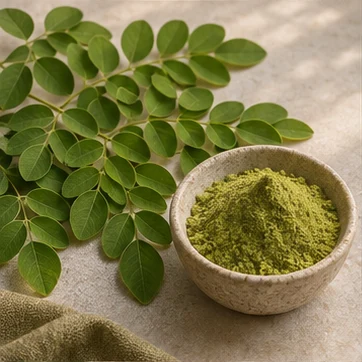
Moringa comes from Moringa oleifera, a tree cultivated in tropical and subtropical regions. Its leaves and pods have long been incorporated into traditional diets, and the leaves can be consumed fresh, cooked, or dried. Commercial moringa powder is generally made by drying and grinding the leaves into a fine green material that can be mixed into drinks or foods. The processing conditions may influence the finished product's nutrients, plant compounds, color, and flavor.
Matcha comes from Camellia sinensis, the same plant used to produce green, black, white, and oolong teas. What distinguishes matcha from most conventional green tea is its cultivation and preparation. Tea plants intended for matcha are shaded before harvesting, and processed leaves are finely ground into powder. Rather than steeping leaves and discarding them, a traditional matcha preparation suspends the powder in water so that the person consumes the ground leaf material.
Both products therefore involve consuming plant leaves, but the leaves are biologically different. Matcha naturally contains caffeine and L-theanine because of its tea-plant origin. Moringa leaves contain other phytochemicals, including glucosinolates and their breakdown products, which have been investigated for possible biological activity. Their distinctive compositions explain why matcha is more commonly studied for caffeine-related outcomes, while moringa research often focuses on metabolic health.
Moringa is sometimes described as a type of green tea because it can be brewed as an herbal infusion, but this terminology can be confusing. A beverage made by steeping moringa leaves is an herbal tea rather than a true tea derived from Camellia sinensis. Our guide to moringa tea benefits explains how steeped leaves differ from whole-leaf powder and why research involving capsules cannot automatically establish the benefits of a brewed beverage.
Moringa vs. Matcha Nutrition: Which Has More Vitamins and Minerals?
Moringa is frequently advertised as being especially rich in vitamins, minerals, protein, and essential amino acids. Analytical studies have identified nutrients such as calcium, potassium, iron, and carotenoids in moringa leaves, along with protein and dietary fiber. Matcha also contains nutrients and plant compounds, although its nutritional reputation is more strongly associated with catechins, particularly EGCG, as well as caffeine and L-theanine.
However, comparing nutritional content requires more than listing which nutrients are present. Many popular claims about moringa compare 100 grams of dried leaf powder with 100 grams of a fresh food, such as spinach, milk, or oranges. These comparisons can make moringa appear exceptionally concentrated because drying removes water, increasing the amount of nutrients per unit of weight. They do not necessarily describe how much nutrition someone receives from an ordinary serving.
A person might consume one or two grams of matcha powder in a beverage or several grams of moringa powder mixed into food. Those quantities are substantially smaller than the 100-gram amounts often used in nutritional comparisons. Even when a powder contains a relatively high percentage of protein or a particular mineral by weight, the actual nutritional contribution may be modest at typical serving sizes.
Protein and essential amino acids
Moringa leaves contain protein and all nine essential amino acids, which explains why they are sometimes promoted as a complete plant-based protein source. However, a powder containing all essential amino acids is not necessarily an important source of dietary protein when consumed in small amounts. A two-gram serving of a plant powder cannot provide the same quantity of protein as a conventional serving of legumes, yogurt, eggs, or another protein-rich food.
Matcha also contains amino acids, including L-theanine, which is particularly relevant to its potential effects on cognition and alertness. However, L-theanine is not interchangeable with dietary protein, and the presence of this compound does not establish that matcha is a meaningful protein supplement. The two products are better understood according to the compounds they provide and the amounts normally consumed rather than by assigning either one the title of best protein source.
For someone whose primary goal is meeting daily protein requirements, neither powder should replace ordinary protein-rich foods. Moringa may contribute small amounts of protein to an overall diet, but the actual benefit depends on the quantity consumed and the nutritional composition of the specific product.
Iron, calcium, potassium, and vitamins
Moringa leaves can contain substantial amounts of iron, calcium, potassium, and carotenoids on a dry-weight basis. These nutrients are involved in important physiological functions, including red blood cell production, bone health, normal muscle and nerve activity, and vision. However, the quantity of each nutrient in a commercial powder varies with plant cultivation, harvesting, drying methods, storage, and serving size.
Matcha also provides minerals and other nutrients, but it should not be assumed to offer equivalent quantities of every nutrient found in moringa. Its major distinguishing compounds are caffeine, L-theanine, and tea catechins rather than an unusually large contribution to daily protein or mineral requirements.
Bioavailability introduces another limitation. The amount of iron reported in a laboratory nutritional analysis is not necessarily the amount absorbed and used by the body. Plant foods can contain compounds that influence mineral absorption, and dietary context also matters. Similarly, certain nutrients are sensitive to processing and storage, meaning that values measured in fresh leaves may not accurately represent a dried powder that has been stored for months.
The most useful comparison is therefore the nutrient amount per actual serving, ideally obtained from a reliable product analysis, rather than a marketing statement about how many times more calcium or iron one plant contains than another. People with clinically significant nutrient deficiencies should not assume that moringa powder or matcha will provide sufficient amounts to correct them.
Moringa vs. Matcha Antioxidants: Which Is Better?
Both moringa and matcha contain compounds with antioxidant activity, but their phytochemical profiles are different. Matcha contains catechins, including EGCG, along with other polyphenols that have been extensively investigated in green tea research. Moringa leaves contain phenolic compounds, including quercetin-related and kaempferol-related constituents, as well as chlorogenic acids, carotenoids, and glucosinolates.
Laboratory experiments frequently measure antioxidant activity by assessing how a sample interacts with particular chemical reactions. These tests can help characterize plant compounds, but they do not establish that consuming a certain amount of powder protects people from disease. A higher antioxidant measurement in a laboratory assay is not automatically equivalent to a greater benefit for human health.
The amount of each compound that reaches human tissues also depends on digestion, metabolism, absorption, and interactions with other foods. Some compounds may be transformed before entering circulation, while others may have relatively low bioavailability. As a result, comparing the antioxidant content of two powders does not establish which one produces more meaningful effects in the body.
A 2023 critical review of matcha research published in Current Research in Food Science examined human and animal findings involving cognition, cardiometabolic outcomes, and other proposed benefits. The authors found some encouraging human cognitive results but concluded that available evidence remained insufficient for firm conclusions across several health outcomes. The distinction between experimental biological activity and established clinical benefit applies equally to moringa.
Does matcha contain more EGCG than moringa?
EGCG is a characteristic catechin found in green tea, making matcha a more relevant dietary source when the goal is specifically to consume green tea catechins. However, the amount varies across products depending on cultivation, processing, preparation, and the amount of powder used. A higher EGCG content should not be interpreted as proof that a product prevents cancer, reduces inflammation, or improves cardiovascular health.
Moringa's potential biological activities involve a different mixture of compounds, so comparing the two exclusively by EGCG content would overlook many constituents of moringa. At present, no sufficiently rigorous direct human comparison establishes that one powder provides greater overall clinical benefits because of its antioxidant composition.
Moringa vs. Matcha for Energy: Which Works Better?
Matcha has a more clearly established mechanism for increasing short-term alertness because it contains caffeine. Caffeine acts on the central nervous system, primarily through interactions with adenosine receptors, which can reduce the perception of tiredness and increase wakefulness. Matcha also contains L-theanine, an amino acid that researchers have investigated for potential effects on attention, stress, and cognitive performance.
Moringa, by contrast, does not naturally contain caffeine in ordinary pure-leaf preparations. It may contribute nutrients involved in normal energy metabolism, but consuming these nutrients does not necessarily produce an immediate increase in energy. A person who already consumes adequate amounts of vitamins and minerals should not expect a measurable stimulant-like effect simply because moringa powder is added to a smoothie.
A 2025 systematic review and meta-analysis of randomized controlled trials examined tea, L-theanine, and L-theanine combined with caffeine in healthy participants. The researchers identified 50 trials, with 15 contributing to at least one quantitative analysis. Some outcomes favored the combination of caffeine and L-theanine, including selected measures of attention and cognitive performance during the first two hours after consumption, although confidence intervals frequently indicated uncertainty about the effects.
This research is relevant to matcha because it naturally contains both compounds, but it does not prove that every cup of matcha reproduces the results of studies using controlled quantities of isolated caffeine and L-theanine. The amount of each compound in a commercial matcha serving may differ substantially from the amounts administered in laboratory experiments.
Does matcha provide smoother energy than coffee?
Matcha is often described as providing smoother, longer-lasting energy than coffee because it contains L-theanine alongside caffeine. Some people report fewer jitters or less of a noticeable afternoon crash after switching beverages. However, these subjective experiences are influenced by caffeine dose, individual sensitivity, sleep patterns, and other factors.
It is not scientifically established that L-theanine universally prevents caffeine-related anxiety, produces slower caffeine absorption, or eliminates an energy crash. Matcha can still cause restlessness, insomnia, palpitations, or other stimulant-related symptoms in susceptible people, particularly when consumed in larger amounts or alongside additional caffeine sources.
For someone hoping to improve alertness without consuming caffeine, moringa does not provide an evidence-based equivalent to matcha's stimulant effect. It may be an enjoyable caffeine-free ingredient, but it has not been shown to produce comparable immediate cognitive stimulation.
What Do Human Studies Show About Matcha and Cognitive Performance?
Matcha has been investigated in several randomized controlled trials involving attention, executive function, memory, and responses to psychological stress. These studies provide more directly relevant human evidence for cognitive outcomes than is available for moringa, although the findings remain limited and should not be interpreted as proof that matcha prevents cognitive decline.
A 2021 study of matcha and attention in younger adults
One randomized placebo-controlled study published in 2021 enrolled 42 adults between 25 and 34 years old. Participants consumed two grams of matcha or placebo daily for two weeks, after which researchers assessed attention and other cognitive functions following a mild laboratory-induced psychological stressor.
The researchers reported better performance on certain measures, including a shorter reaction time on the Stroop attention test among participants receiving matcha compared with placebo. They also observed a favorable result in an emotional-perception task. However, they did not identify significant differences across all the cognitive outcomes measured.
These findings suggest that matcha may influence particular aspects of attention under stressful conditions, but the study was relatively small and lasted only two weeks. A favorable result on a laboratory attention test does not necessarily demonstrate improved academic performance, work productivity, or long-term cognitive health.
A 2021 trial comparing matcha and caffeine effects
Another randomized study published in 2021 examined the effects of matcha and caffeine on cognitive performance among middle-aged and older adults. Researchers investigated responses following single and repeated intake, including performance under laboratory-induced psychological stress.
The study reported that a single dose of caffeine improved certain measures of attention, while matcha consumption was associated with favorable findings in selected tests following continued use. Some observed acute effects of matcha were considered likely related to its caffeine content.
This study provides a useful reminder that the compounds contained in a product do not necessarily produce entirely distinct effects. When someone experiences greater alertness after drinking matcha, caffeine may account for a substantial portion of that response. Although other compounds may contribute, their independent effects require appropriate comparison groups and experimental designs.
A 2024 twelve-month randomized trial
A larger and longer randomized study published in PLOS ONE in 2024 enrolled 99 older adults with subjective cognitive decline or mild cognitive impairment. Participants were assigned to consume either two grams of matcha powder or placebo daily for twelve months.
The researchers found no statistically significant improvement in the study's primary cognitive outcomes, which included the Montreal Cognitive Assessment and an activities-of-daily-living measure. A secondary measure involving emotional perception showed a favorable finding, and sleep quality showed a trend toward improvement, but those observations did not establish a broad improvement in cognition.
The study was also conducted with involvement from researchers employed by commercial organizations connected to the products under investigation. This does not automatically invalidate the research, but funding and employment relationships should be considered when evaluating study design, interpretation, and the need for independent replication.
Together, these trials suggest that matcha may influence certain attention-related outcomes, particularly under specific experimental conditions, but they do not establish that consuming it prevents dementia, substantially improves memory, or reliably enhances cognitive performance in every population.
What Do Human Studies Show About Moringa's Benefits?
Moringa has received considerable scientific attention for its potential metabolic effects, particularly blood glucose regulation, cholesterol, and blood pressure. However, the studies evaluating these outcomes have used different preparations, recruited different patient populations, and reported inconsistent results.
A twelve-week randomized, double-blind, placebo-controlled trial published by Gómez-Martínez and colleagues in 2022 enrolled 65 adults with prediabetes. Participants received either 2.4 grams of dried moringa leaf powder daily or placebo, and the researchers reported more favorable changes in fasting blood glucose and HbA1c among participants receiving moringa.
A separate randomized placebo-controlled trial published in 2017 enrolled 32 adults with previously untreated type 2 diabetes. Participants consumed eight grams of moringa leaf powder daily or placebo for four weeks. Despite using a larger amount, the study did not identify a statistically significant difference in fasting glucose or HbA1c between groups.
These two trials demonstrate why it is difficult to assign a generalized metabolic benefit to moringa. They studied different populations for different lengths of time, and neither result can independently establish how a particular commercial product will affect an individual.
What did the 2025 moringa meta-analysis find?
A systematic review and meta-analysis published in Nutrients in November 2025 evaluated nine randomized controlled trials involving 649 participants across the included studies. The researchers examined blood glucose, HbA1c, cholesterol, blood pressure, and body measurements.
The pooled analysis found no statistically significant improvement in fasting blood glucose or HbA1c. It also did not demonstrate consistent benefits for most other cardiometabolic outcomes, and the authors rated the certainty of evidence as very low. Although some individual studies reported favorable findings, the combined evidence was too uncertain to support reliable clinical recommendations.
Our moringa for blood sugar guide examines the positive and negative trials in greater detail, including newer studies, differences between populations, and conflicting systematic reviews. For the purposes of comparing moringa with matcha, the important conclusion is that moringa has been investigated for metabolic outcomes but has not demonstrated a consistently reliable treatment effect.
Moringa vs. Matcha: What Do the Human Clinical Trials Show?
The two plants have not been studied equally for the same outcomes. Matcha's human trials more frequently investigate attention and cognition, whereas moringa's trials have focused more heavily on metabolic measurements. Comparing the number of studies without examining what those studies measured can therefore create a misleading impression of which product is better supported.
Human study comparison
| Study | Participants | Intervention | Duration | Main result |
|---|---|---|---|---|
| Matcha attention trial, 2021 | 42 adults aged 25–34 | 2 g/day matcha versus placebo | 2 weeks | Improved selected attention measurements; many outcomes unchanged |
| Matcha and caffeine trial, 2021 | Middle-aged and older adults | Matcha and caffeine comparison | Acute and repeated intake | Favorable findings for selected attention and work-performance tasks |
| Matcha cognition trial, 2024 | 99 older adults with cognitive concerns | 2 g/day matcha versus placebo | 12 months | No significant improvement in primary cognitive outcomes |
| Tea, caffeine and L-theanine review, 2025 | 50 randomized trials | Tea or relevant compounds | Various | Some favorable cognitive findings; substantial uncertainty |
| Moringa prediabetes trial, 2022 | 65 adults with prediabetes | 2.4 g/day leaf powder versus placebo | 12 weeks | Favorable fasting glucose and HbA1c changes |
| Moringa diabetes trial, 2017 | 32 adults with type 2 diabetes | 8 g/day leaf capsules versus placebo | 4 weeks | No significant glucose or HbA1c benefit |
| Moringa meta-analysis, 2025 | 649 participants across nine randomized trials | Various preparations | Various | No consistent cardiometabolic benefit; very low certainty |
The table includes original studies and evidence syntheses that overlap with some of those studies. They should not be counted as entirely independent participant populations. It also includes a broader tea and L-theanine review that is relevant to understanding matcha's compounds but is not exclusively a review of matcha beverages.
At present, we did not identify a qualifying human randomized trial directly comparing moringa and matcha for attention, blood glucose, weight loss, or another shared clinical outcome. This prevents us from calculating a reliable head-to-head benefit or concluding that one product is medically superior. Future comparative research would need to use standardized formulations, appropriate control groups, and outcomes that are meaningful for the population being studied.
Is Moringa or Matcha Better for Blood Sugar?
Neither moringa nor matcha has been established as an effective treatment for diabetes or prediabetes. Moringa has been investigated in several clinical trials involving fasting glucose, post-meal glucose responses, and HbA1c, with mixed results. Matcha has a different research history, and direct human evidence evaluating matcha specifically for sustained glucose control remains limited.
Some studies of green tea or green tea extracts have investigated glucose metabolism, but their findings cannot automatically be applied to matcha. Tea preparations differ in catechin content, caffeine exposure, processing, and the proportion of the leaf that is consumed. Likewise, a moringa study using several grams of leaf powder does not establish the effectiveness of brewed moringa tea.
The 2025 randomized-trial meta-analysis of moringa found no significant pooled improvement in fasting glucose or HbA1c, while broader exploratory evidence has produced more favorable estimates with substantial methodological limitations. The existing research therefore does not support recommending moringa over matcha for blood sugar management.
Someone with diabetes or prediabetes should not replace medication, glucose monitoring, nutrition counseling, or other established care with either product. If you are interested in incorporating one into your diet, the relevant considerations include medication interactions, caffeine sensitivity, the product's ingredients, and whether it contains added sugar.
Moringa vs. Matcha for Weight Loss: Which Is More Effective?
Neither moringa nor matcha has been demonstrated to produce reliable, clinically meaningful weight loss when consumed as an ordinary powder or beverage. Although both are sometimes advertised as metabolism boosters, the clinical evidence does not establish that adding either one to an otherwise unchanged diet causes substantial or sustained fat loss.
Moringa's weight-related research has included randomized trials measuring body weight, body mass index, and waist circumference. A May 2026 meta-analysis of eight randomized trials involving 588 participants reported no statistically significant overall effect on body weight or BMI. A separate 2025 synthesis similarly found no consistent improvement across major body-composition outcomes.
Matcha contains caffeine and catechins that have been investigated for potential effects on energy expenditure and fat oxidation. However, much of the broader research involves green tea extracts rather than ordinary matcha beverages. Some green tea studies have reported small effects on weight-related outcomes, but these findings do not establish that matcha produces meaningful long-term weight loss in people.
The NIH National Center for Complementary and Integrative Health notes that green tea catechins and caffeine may have modest effects on body weight, while emphasizing the limitations and variation in available research. The distinction between a modest change in a laboratory or short-term measurement and clinically meaningful weight loss is important when interpreting supplement advertisements.
In everyday use, the ingredients added to a beverage can also influence its nutritional impact. An unsweetened matcha tea and a large matcha latte made with sweetened powder, syrup, or flavored milk may differ substantially in calories and added sugar. Similarly, moringa blended into a smoothie does not automatically make that smoothie low in calories or suitable for weight management.
Our detailed moringa weight-loss research guide compares the 2025 and 2026 systematic reviews, newer human trials, appetite-related claims, and limitations of the current evidence.
Is Moringa or Matcha Better for Inflammation?
Both plants contain compounds that demonstrate anti-inflammatory activity in laboratory experiments, but neither has been established as an effective treatment for inflammatory diseases. Research involving moringa has investigated phytochemicals that may interact with inflammatory signaling pathways, while green tea research has examined catechins and their effects on oxidative stress-related and inflammatory processes.
However, many of these experiments involve cell cultures, animal models, or concentrated extracts that differ substantially from ordinary food servings. The biological activity of a compound at a laboratory concentration does not establish that drinking a cup of matcha or consuming a small amount of moringa powder improves arthritis, inflammatory bowel disease, or another chronic inflammatory condition.
Human clinical studies have occasionally measured inflammatory markers, but the findings are not sufficiently consistent or clinically definitive to establish a clear advantage for either powder. A reduction in a circulating biomarker would also need to be interpreted in the context of whether participants experienced improvements in symptoms or health outcomes.
If you are interested in either plant because of an inflammatory medical condition, discussing the condition with a healthcare professional is more useful than choosing a supplement based on antioxidant content. Neither product should replace treatments that have been demonstrated to reduce symptoms or prevent disease complications.
Moringa vs. Matcha Taste: Do They Taste the Same?
Although both powders have a green appearance, their flavors can be noticeably different. Matcha is often described as grassy, vegetal, and umami, with a mild natural sweetness in some products and varying degrees of bitterness or astringency. Its flavor depends partly on cultivation, processing, freshness, and the amount used in preparation.
Moringa generally has a more leafy, earthy, and sometimes peppery flavor. Some people compare it to spinach, kale, or other leafy greens, while others find it distinctly bitter. Processing and storage can also influence the taste of moringa powder, meaning products from different manufacturers may not taste identical.
This difference becomes particularly important for someone trying to replace matcha because of caffeine sensitivity. Moringa can provide a visually similar green beverage, but it does not necessarily reproduce matcha's characteristic umami taste or smooth texture. A person who enjoys the specific flavor of high-quality matcha may find moringa considerably less appealing when mixed only with water.
Moringa often works well when blended into foods with stronger or complementary flavors, such as smoothies, soups, sauces, or yogurt. Matcha is commonly whisked into water or milk and can be used in beverages and desserts. Both powders can be prepared in several ways, but choosing the preparation that you genuinely enjoy is more useful than attempting to reproduce a supposedly ideal wellness routine.
Can You Replace Matcha With Moringa?
Moringa can replace matcha in some recipes when the main goal is to create a green beverage or incorporate a powdered plant ingredient into food. However, it is not a direct substitute for matcha's caffeine content, L-theanine exposure, or flavor. Someone switching from matcha to moringa should not expect the same immediate increase in alertness or an identical taste.
For a caffeine-free drink, moringa may be a practical option when mixed with water, milk, or another beverage. You can also prepare an herbal infusion using dried moringa leaves, although a strained infusion differs nutritionally from consuming the entire powdered leaf. The choice between powder and tea affects which plant components remain in the final drink.
Our moringa powder versus capsules comparison explains the differences between whole-leaf products and concentrated preparations, while our moringa tea guide examines what can reasonably be expected from a brewed herbal beverage.
If you enjoy matcha specifically because of its caffeine-related effects, switching to moringa will remove that naturally occurring stimulant from the drink. This may be desirable for someone limiting caffeine, but moringa has not been demonstrated to provide an equivalent caffeine-free cognitive benefit.
Can You Mix Moringa and Matcha Together?
Moringa and matcha can be combined as food ingredients, but no established human research demonstrates that mixing them produces greater health benefits than consuming either one alone. The combination provides the characteristic compounds of both plants, including matcha's caffeine and catechins and moringa's nutrients and phytochemicals, but the presence of more compounds does not automatically produce a more effective supplement.
Someone adding both powders to a smoothie or latte should consider the total amount consumed, the caffeine contributed by matcha, and any additional ingredients. The final beverage may also contain sugar, calories, or other compounds that influence its nutritional profile. A combination drink should not be marketed as having clinically proven antioxidant, anti-inflammatory, or glucose-lowering benefits without appropriate human research.
There is also no established therapeutic dose for a moringa-matcha combination. Using large amounts of each powder in the expectation of obtaining greater benefits may increase gastrointestinal discomfort or caffeine-related symptoms without improving health outcomes. People taking medications or managing medical conditions should review the proposed combination with a healthcare professional rather than assuming that mixing two plant products eliminates their individual safety considerations.
Moringa vs. Matcha for Morning and Evening Use
Matcha is commonly consumed in the morning because its caffeine content may support alertness during the day. However, caffeine can interfere with sleep, and sensitivity varies considerably between individuals. Someone who experiences insomnia after afternoon tea or coffee may also have difficulty sleeping after drinking matcha later in the day.
Moringa does not naturally contain caffeine, making it a possible option for someone who wants a green herbal beverage without a stimulant. However, being caffeine-free does not establish that moringa improves sleep, promotes relaxation, or provides any particular benefit when taken before bedtime.
Human clinical trials have not established an optimal time of day for moringa supplementation. Studies have administered moringa with meals, before meals, or according to other schedules, but these protocols were generally not designed to compare morning and evening effectiveness.
Our guide to the best time to take moringa powder explains the timing evidence in greater detail, including taking moringa with food, before meals, and at night.
For matcha, the most practical timing consideration is caffeine. For moringa, the more relevant considerations are formulation, digestive tolerance, and whether supplementation is appropriate alongside existing health conditions or medications.
What Do Doctors, Dietitians, and Researchers Say About Moringa vs. Matcha?
Healthcare professionals discussing moringa and matcha often emphasize different characteristics because the two plants have different nutritional and pharmacological profiles. Their published guidance also highlights why botanical products should not be evaluated solely by the number of antioxidants or vitamins they contain.
In a March 2018 article published by IDEA Health & Fitness Association, registered dietitian Sanna Delmonico, MS, RDS, CHES, addressed whether moringa powder is similar to matcha. She explained that moringa powder is made from dried moringa leaves and can be incorporated into beverages in a way that resembles matcha, but it does not naturally contain caffeine. She also discussed moringa's antioxidant compounds and traditional uses while noting that sufficiently large human studies had not established its proposed therapeutic benefits or effective doses.
More recently, registered dietitian Julia Zumpano, RD, LD, discussed moringa in a January 2026 Cleveland Clinic article. Her explanation emphasized that moringa leaves can be considered a nutrient-containing leafy vegetable, similar in nutritional role to other greens. However, she also acknowledged that many of the disease-related claims surrounding moringa require considerably more high-quality human research before they can be recommended as treatments.
For matcha, registered dietitian Amy Colbert, MS, RDN, LDN, discussed its potential benefits and limitations in a July 2026 article published by Northwestern Medicine. She explained that matcha contains caffeine and L-theanine, which may contribute to improvements in alertness and cognitive performance, while cautioning that excessive caffeine consumption can cause sleep disruption, anxiety, and gastrointestinal discomfort.
Colbert also discussed product quality and the importance of recognizing that beverages marketed as matcha may contain sweeteners, fillers, or other ingredients. Her guidance reinforces why a traditional unsweetened matcha preparation should not automatically be treated as nutritionally equivalent to every commercial matcha latte or powdered drink mix.
Researchers who conducted the 2023 critical review of matcha similarly concluded that human evidence for cognitive benefits remained limited and somewhat inconsistent. The randomized trials reviewed provided encouraging findings for certain attention-related outcomes, but several proposed cardiometabolic and disease-prevention benefits were supported mainly by animal or experimental research.
Taken together, these professional perspectives support treating moringa primarily as a potentially nutritious plant food and matcha as a caffeinated tea beverage with interesting bioactive compounds. Neither perspective establishes that the products prevent chronic diseases, and both emphasize the importance of distinguishing nutritional characteristics from demonstrated clinical benefits.
What Are People Saying About Moringa vs. Matcha on Reddit and Online Blogs?
Clinical studies can help determine whether an intervention produces measurable effects under controlled conditions, but people often choose beverages for reasons that are difficult to capture in a laboratory. Taste, caffeine sensitivity, preparation time, perceived energy, and digestive tolerance can all influence whether someone prefers moringa or matcha. Public discussions are useful for understanding these practical experiences, although they cannot establish clinical effectiveness.
For this article, we searched publicly available discussions on Reddit, including r/Supplements, r/tea, r/Cooking, and r/Matcha, alongside comparison articles published by GNC, Moringa Burst, Matcha.com, Human Tonik, and MatchaWhat. We focused on experiences involving flavor, caffeine, perceived energy, nutritional claims, and reasons people choose one powder over the other. These observations represent selected public discussions rather than a systematic or representative survey, and the individual experiences have not been independently verified.
What Reddit users say about the taste difference
One particularly relevant r/tea discussion began with someone looking for a caffeine-free substitute for matcha. The person wanted to know whether moringa powder tasted similar enough to replace their usual drink. A commenter who had tried moringa described it as tasting more like spinach or kale than matcha, suggesting that the two products may be visually similar without being especially close in flavor.
Another discussion on r/Cooking involved someone who had purchased moringa expecting it to be a less expensive alternative to matcha. After trying it, the person found the flavor too grassy and bitter to enjoy on its own and asked for ways to incorporate the remaining powder into other foods. Some responses suggested combining it with smoothies or other ingredients that could balance its strong vegetal taste.
These experiences are useful for someone considering moringa as a caffeine-free matcha substitute because they address a practical issue that clinical studies rarely measure. A supplement's nutritional profile may be appealing, but a product that is unpleasant to consume consistently may not be a worthwhile addition to someone's routine. Individual taste preferences vary, and the quality and processing of each powder can influence its flavor.
What r/Supplements users say about moringa's nutritional claims
In a December 2023 r/Supplements discussion about moringa powder, several commenters questioned the usefulness of nutritional comparisons claiming that moringa contains dramatically more protein, iron, or calcium than common foods. They noted that these claims often compare equal weights of powder and ordinary foods without considering how much a person would realistically consume.
This concern is consistent with an important limitation in nutritional marketing. A dried powder may contain high concentrations of particular nutrients per 100 grams, but that does not establish that a teaspoon provides a meaningful percentage of someone's daily requirements. Some commenters also questioned mineral absorption and the practical amount of powder needed to obtain substantial nutritional benefits.
A separate January 2026 r/Supplements discussion included mixed experiences with moringa supplementation. Some participants reported using it for several months without noticing meaningful changes in digestive symptoms, while others discussed product quality, sourcing, and possible side effects. These experiences do not establish whether moringa works, but they demonstrate that consumer expectations can differ considerably from the results people actually observe.
What Reddit users say about matcha and energy
In an August 2024 r/Matcha discussion, participants discussed why matcha is often portrayed more favorably than coffee. Some described preferring matcha because they experienced fewer jitters or found its lower caffeine exposure more comfortable, while others questioned whether either beverage deserved to be portrayed as universally superior.
These comments help explain why matcha appeals to people who enjoy caffeinated beverages but dislike the intensity of certain coffee preparations. However, subjective descriptions of smoother energy do not establish that matcha causes slower caffeine absorption, prevents caffeine withdrawal, or reliably improves concentration compared with an appropriately caffeine-matched control.
The variety of experiences also emphasizes the importance of caffeine dose. A small serving of matcha may contain substantially less caffeine than a large coffee, and the difference in perceived effects may be influenced by the amount consumed rather than by L-theanine alone.
What supplement brands and health blogs emphasize
The comparison articles from GNC, Matcha.com, Moringa Burst, and Human Tonik generally distinguish matcha as a source of caffeine and L-theanine while presenting moringa as a caffeine-free, nutrient-containing alternative. This is a useful starting point, and the underlying botanical distinction is well established. However, some articles extend the comparison into broader claims about immune support, metabolism, inflammation, or long-term wellness without always providing enough human clinical evidence to establish those outcomes.
For example, the May 2026 Moringa Burst comparison describes moringa as more suitable for daily nutritional support and matcha as more suitable for immediate focus. While these are reasonable descriptions of how the products might be used, the research does not establish that regular moringa supplementation produces predictable long-term wellness benefits. Similarly, claims that matcha provides calm, sustained energy should be understood in the context of caffeine and L-theanine research rather than interpreted as a guarantee of a particular subjective response.
Commercial articles can provide useful information about preparation, flavor, and product characteristics. However, readers should distinguish those practical descriptions from claims about medical effectiveness, especially when the website also sells the ingredient being discussed. The presence of a product for purchase does not invalidate the information presented, but independent clinical evidence remains necessary to establish health benefits.
What can we learn from these consumer experiences?
The public discussions suggest that people choose moringa and matcha for different reasons. Some want a caffeine-free alternative to their usual tea, others are interested in nutritional claims, and some prefer the taste and ritual associated with matcha. These considerations may be personally meaningful even when the products have not demonstrated therapeutic benefits.
The experiences also reveal two recurring misunderstandings: that a powder with more nutrients per 100 grams necessarily provides a greater benefit in a normal serving, and that a beverage associated with better subjective energy must have a unique clinically proven advantage over other caffeinated drinks.
At Root & Evidence, we consider these public experiences useful for identifying consumer questions, but we do not use testimonials to assign human evidence ratings. Controlled clinical trials remain more informative when determining whether a product causes a measurable health benefit.
Is Moringa or Matcha Safer?
Both moringa and matcha can be consumed as plant-derived foods or beverages, but their safety considerations differ. Matcha's most recognizable concern is its caffeine content, particularly among people who are sensitive to stimulants or who consume caffeine from several sources throughout the day. Moringa's concerns include supplement quality, gastrointestinal tolerability, potential medication interactions, and the limited availability of long-term safety data for concentrated preparations.
For matcha, caffeine-related symptoms may include sleep disruption, anxiety, restlessness, palpitations, or gastrointestinal discomfort. The U.S. Food and Drug Administration generally cites 400 milligrams of caffeine daily as an amount not typically associated with negative effects in most healthy adults, although individual sensitivity varies and this figure does not apply universally to people with medical conditions or pregnancy.
Matcha also contains tea polyphenols that can influence nonheme iron absorption when consumed alongside certain meals. This may be relevant to people with iron deficiency or those who obtain most of their iron from plant foods. Anyone with a clinically significant deficiency should discuss dietary timing and treatment with a healthcare professional rather than relying on generalized online recommendations.
The NIH notes that ordinary green tea beverages are generally well tolerated, while concentrated green tea extract supplements have occasionally been associated with liver injury. This distinction is important because drinking matcha prepared as a beverage is not equivalent to taking a high-dose concentrated EGCG supplement.
Moringa-specific safety concerns
Moringa leaf powder can cause gastrointestinal symptoms in some individuals, particularly at higher amounts. A 2025 study investigating the acceptability of moringa powder over seven days found more gastrointestinal complaints among participants consuming approximately 7.2 grams daily than among those assigned approximately 2.4 grams daily.
Potential interactions with glucose-lowering medications also warrant caution because some human studies have reported changes in glucose measurements, although the effects remain inconsistent. People with diabetes should not assume that moringa is safe to combine with their treatment simply because it is marketed as a natural food supplement.
Product contamination is another important concern. During 2025 and 2026, U.S. public health authorities investigated multiple Salmonella outbreaks involving specific moringa-containing products. These investigations led to recalls affecting particular brands and lots. They do not establish that all moringa products are contaminated, but they demonstrate why product traceability, reputable sourcing, and appropriate testing matter.
Our moringa research guide and recall information includes official safety notices and instructions for checking affected products. Our guide to taking moringa every day also examines the available human safety data and why short clinical trials cannot establish that long-term supplementation is appropriate for everyone.
How to Choose a High-Quality Moringa or Matcha Powder
When comparing products, ingredient transparency is more useful than promotional descriptions such as miracle superfood, detoxifying powder, or antioxidant powerhouse. A trustworthy manufacturer should clearly identify the plant, the preparation being sold, and the amount of powder included in each serving. Products containing several herbs or added ingredients should not be treated as equivalent to single-ingredient preparations used in clinical trials.
For moringa, look for identification of Moringa oleifera and the plant part included, ideally with clear distinctions between leaf powder, leaf extract, seed preparations, and blended products. These forms may have different chemical compositions, and evidence involving one preparation does not establish the effectiveness or safety of another.
For matcha, look for a product made from green tea leaves, Camellia sinensis, with clear information about ingredients and serving size. Terms such as ceremonial grade or culinary grade are used commercially to distinguish products intended for different preparations, but they do not establish medical effectiveness or provide an independent guarantee of purity.
Product color, flavor, freshness, and processing information may help when choosing a matcha that you enjoy drinking, while third-party testing and traceability are particularly relevant when evaluating potential contaminants. Independent testing can provide reassurance about the specific characteristics tested, but it should not be interpreted as proof that either powder produces the health benefits advertised.
Cost also deserves consideration. Matcha intended for traditional whisked preparation can be relatively expensive, while moringa powders may vary widely in price depending on sourcing and processing. Comparing cost per serving is more informative than comparing container prices, provided the serving amounts are appropriate for the intended culinary use. Neither a higher price nor an attractive label establishes a clinical advantage.
Frequently Asked Questions About Moringa vs. Matcha
Is moringa the same as matcha?
No. Moringa is generally made from the leaves of Moringa oleifera, while matcha is powdered green tea made from Camellia sinensis. Both can appear as fine green powders and be incorporated into similar beverages, but their botanical origins, chemical compositions, and caffeine content differ. Matcha naturally contains caffeine and L-theanine, while pure moringa leaf preparations are naturally caffeine-free. Research involving one plant cannot automatically establish the benefits of the other.
Does moringa have caffeine like matcha?
Pure moringa leaf powder does not naturally contain caffeine, whereas matcha contains caffeine because it comes from the tea plant. Matcha's caffeine content varies with the amount of powder, cultivation, and preparation. Harvard Health has described approximately 38 to 89 milligrams of caffeine in an eight-ounce serving of matcha, although individual products and serving sizes can differ. Anyone specifically avoiding caffeine should still check the full ingredient list of blended moringa products because they may contain other caffeinated ingredients.
Is matcha healthier than moringa?
There is insufficient direct human evidence to conclude that matcha is healthier than moringa overall. The two plants provide different compounds and have been investigated for different health outcomes. Matcha has a better-established rationale for short-term alertness because it contains caffeine, while moringa can contribute nutrients as a leafy plant food. Neither has been demonstrated to be universally superior for preventing disease, improving metabolic health, or supporting general wellness.
Does moringa taste like matcha?
Moringa and matcha both have vegetal flavors, but they are not identical. Matcha is often described as grassy, umami, and sometimes mildly sweet, while moringa is frequently compared with spinach or other leafy greens and may taste earthy, peppery, or bitter. Individual products also vary according to processing and freshness. Someone trying moringa as a caffeine-free substitute for matcha may find it more enjoyable when mixed into smoothies or foods rather than prepared as a traditional matcha-style tea.
Can I drink moringa instead of matcha every morning?
For someone who wants a caffeine-free herbal beverage, moringa may be an alternative to matcha, assuming it is appropriate for their health circumstances. However, it will not provide matcha's caffeine-related stimulant effect, and controlled human research has not established that moringa produces equivalent improvements in alertness or focus. Its potential nutritional contribution depends on the amount consumed and the preparation. People taking medications or managing medical conditions should discuss regular supplementation with their healthcare professional.
Does matcha have more antioxidants than moringa?
Both plants contain antioxidant compounds, but their chemical profiles differ and there is no established clinical comparison demonstrating that one provides greater overall antioxidant-related health benefits in humans. Matcha is particularly associated with green tea catechins such as EGCG, while moringa contains several polyphenols, carotenoids, and glucosinolate-related compounds. Laboratory antioxidant measurements do not establish disease prevention or clinical effectiveness, and meaningful comparisons require consideration of serving sizes, absorption, and human outcomes.
Which is better for weight loss, moringa or matcha?
Neither moringa nor matcha has demonstrated reliable, clinically meaningful weight loss when used as an ordinary single-ingredient powder or beverage. Moringa meta-analyses have generally not found significant improvements in body weight or BMI, while research on green tea compounds suggests that any weight-related effects may be modest and cannot necessarily be generalized to matcha. A beverage's added sugar and calorie content can also influence its role in an overall diet. Neither should be treated as a replacement for established weight-management care.
Is moringa or matcha better for skin and hair?
There is insufficient direct human evidence to establish that either moringa or matcha reliably improves hair growth, skin texture, acne, or other dermatological outcomes when consumed orally. Their nutritional content and antioxidant compounds may be biologically interesting, but they do not establish that supplementation produces visible improvements. Hair and skin concerns can have several underlying causes, including nutritional deficiencies, medications, hormonal conditions, and dermatological disorders. Persistent concerns should be evaluated by a qualified healthcare professional.
Can you drink moringa and matcha together?
Moringa and matcha can be combined in foods or beverages, but there are no established human studies demonstrating that the combination produces additional health benefits compared with either ingredient alone. The mixture would still contain caffeine from matcha, while its overall chemical composition would depend on the quantities and formulations used. People with caffeine sensitivity, medication interactions, or other health concerns should not assume that combining the products makes them safer or more effective.
Which is better for anxiety, moringa or matcha?
Neither moringa nor matcha has been established as a treatment for anxiety disorders. Some research involving matcha's components, particularly L-theanine, has investigated stress-related and cognitive outcomes, but those findings do not establish reliable treatment benefits for clinical anxiety. Matcha also contains caffeine, which may worsen anxiety or physical symptoms such as restlessness and palpitations in sensitive individuals. Moringa does not naturally contain caffeine, but there is insufficient evidence that it produces clinically meaningful anxiety relief.
Is matcha or moringa better for people sensitive to caffeine?
Moringa may be more suitable as a beverage ingredient for someone who needs to avoid naturally occurring caffeine, provided there are no other relevant health or medication concerns. Matcha contains caffeine and can cause stimulant-related symptoms, even though its caffeine content is often lower than that of coffee. However, caffeine-free does not automatically mean medically safe or beneficial. The choice should consider the complete product, individual health circumstances, and the reason caffeine is being limited.
The Bottom Line: Should You Choose Moringa or Matcha?
Moringa and matcha are two different plants that can both be incorporated into foods and beverages, but their nutritional characteristics and human research should not be treated as interchangeable. Matcha contains caffeine, L-theanine, and green tea catechins, making it a relevant option for people who enjoy caffeinated beverages and are interested in its potential effects on alertness. Small randomized studies have reported improvements in certain attention-related measurements, although larger research has not consistently demonstrated broad cognitive benefits.
Moringa is naturally caffeine-free and contains nutrients and plant compounds that make it an interesting leafy food ingredient. Researchers have investigated its effects on blood sugar, blood pressure, weight, and related outcomes, but the available randomized evidence has not established consistent clinically meaningful benefits. Its nutritional properties may contribute to a balanced diet, although the practical contribution of a typical serving should not be exaggerated.
The best choice therefore depends more on what you want from the product than on which one is marketed as a stronger superfood. Matcha may fit naturally into a morning tea routine for someone who enjoys caffeine, while moringa may appeal to someone seeking a caffeine-free green ingredient. Neither product should be selected with the expectation that it will reliably treat diabetes, promote substantial weight loss, reduce chronic inflammation, or prevent disease.
At Root & Evidence, we believe that understanding the research helps make these choices more meaningful. A product can be enjoyable, nutritious, and worth including in your diet without needing to promise extraordinary health benefits. Comparing the actual human studies, recognizing the limits of nutritional claims, and considering safety can help you decide whether moringa, matcha, or neither belongs in your routine.
For more information, explore our complete moringa research guide, moringa for blood sugar review, moringa for weight loss guide, and moringa tea benefits article. You can also read about how much moringa powder to take, moringa powder versus capsules, the best time to take moringa, whether moringa can be taken daily, and how long moringa takes to work.
Scientific References and Editorial Notes
This article is based on a narrative review of selected human clinical trials, systematic reviews, nutritional research, healthcare-professional commentary, and publicly available consumer discussions. The matcha evidence includes randomized studies investigating attention, cognition, psychological stress, and repeated consumption. The moringa evidence includes randomized metabolic trials and a 2025 systematic review of cardiometabolic outcomes.
No qualifying direct head-to-head human intervention comparing moringa and matcha for attention or cognitive performance was identified during the targeted literature search conducted for this article on November 5, 2026. This does not prove that no such study exists, and findings from separate studies should not be used to calculate a direct comparative benefit.
The evidence rating of No eligible human evidence refers specifically to the defined head-to-head comparison rather than every outcome associated with either ingredient. Published human studies exist for both plants, but they generally evaluate different interventions and outcomes. More information about how Root & Evidence assigns outcome-specific ratings is available in our human evidence rating framework.
The scientific literature discussed here includes the 2021 matcha attention trials, the 2024 randomized study of cognition among older adults, the 2025 systematic review of tea compounds and cognition, the 2022 moringa prediabetes trial, the 2017 moringa diabetes trial, and the 2025 moringa cardiometabolic meta-analysis. Readers are encouraged to examine the original publications and their limitations rather than relying solely on simplified summaries.
Editorial methodology: This article was prepared under the Root & Evidence Editorial byline using publicly available scientific research. It does not claim independent physician review or constitute a new systematic review. Consumer experiences are described as unverified observations rather than proof of effectiveness. The article is intended to help readers understand the scientific evidence, not to provide individualized treatment recommendations.
Medical disclaimer: This article is for educational purposes and does not constitute medical advice. Always consult your primary care physician, pharmacist, or another qualified healthcare professional before using supplements, particularly if you have diabetes, cardiovascular disease, caffeine sensitivity, or other medical concerns, or if you are pregnant or breastfeeding. Do not replace prescribed treatments with moringa, matcha, or other botanical products.