By Root & Evidence Editorial | Evidence checked: November 4, 2026 | No independent clinical review claimed
If you have recently started taking moringa powder, or you are thinking about adding it to your daily routine, you may be wondering whether it is better to take it first thing in the morning, with breakfast, after lunch, or before going to bed. Some supplement websites recommend taking moringa on an empty stomach, while others suggest consuming it with meals or spreading the serving throughout the day. With so many different recommendations, it can be difficult to know whether the timing actually affects how moringa works or whether these suggestions are mostly based on personal preference.
For most healthy adults choosing to consume moringa leaf powder as a food, taking it with breakfast or lunch is a reasonable starting point, primarily because it can be easy to remember and may be more comfortable for digestion. However, human clinical trials have not established that taking moringa in the morning produces greater health benefits than taking it in the evening. Studies have investigated different doses and meal schedules, but very few have examined timing as a research question in its own right.
At Root & Evidence, we believe supplement recommendations should reflect what researchers actually studied, including findings that are less encouraging than the claims on product packaging. Our complete moringa research guide examines the plant's potential benefits, clinical evidence, dosage considerations, and safety concerns. In this article, we will focus specifically on when to take moringa powder, how researchers have administered it in human studies, and what those findings mean for someone considering it as part of their everyday diet.
What Is the Best Time to Take Moringa Powder?
There is currently no clinically established best time of day to take moringa powder. Morning and lunchtime are convenient choices because the powder can be incorporated into foods that many people already consume, such as smoothies, yogurt, oatmeal, or other meals. Taking it with food is also a reasonable way to introduce a new plant powder gradually, particularly for someone who tends to experience digestive discomfort from high-fiber foods or dietary supplements. That suggestion is based on practical tolerability considerations, not a clinical trial proving that breakfast is superior to dinner.
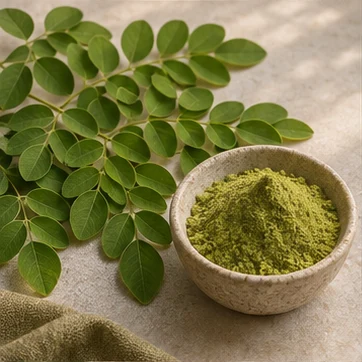
Moringa powder is typically made by drying and grinding the leaves of Moringa oleifera, a tree commonly grown in tropical and subtropical regions. Its leaves provide varying amounts of protein, fiber, minerals, carotenoids, and plant compounds such as polyphenols and glucosinolates, although the composition can differ substantially depending on cultivation, processing, storage, and the amount consumed. These nutritional characteristics explain some of the interest in moringa, but they do not establish that its compounds are absorbed more effectively at a particular hour.
Someone who regularly eats breakfast may find morning consumption easier to maintain, while another person who rarely eats breakfast might prefer adding moringa to lunch or dinner. Neither routine has been shown to produce superior long-term results in a controlled human trial. Rather than changing your schedule to accommodate an unproven timing recommendation, it is more useful to consider the product's ingredients, the amount you are consuming, whether you tolerate it comfortably, and whether it is appropriate alongside your medications or medical conditions.
Is It Better to Take Moringa Powder in the Morning or at Night?
Morning consumption is frequently recommended by supplement companies because moringa fits naturally into breakfast foods and is often marketed for energy, nutrition, and general wellness. Although moringa provides nutrients involved in normal energy metabolism, this does not mean consuming it in the morning has been shown to increase alertness or physical energy. Unlike coffee or conventional caffeinated tea, plain moringa leaf powder is not naturally a caffeine-containing stimulant, and controlled human research has not established that a morning serving produces a measurable energy advantage.
A particularly relevant study was published in Preventive Medicine Reports in 2025 by Susana L. Matias and colleagues. The researchers enrolled 52 healthy adults in California and randomly assigned them to consume approximately 2.4, 4.8, or 7.2 grams of moringa leaf powder daily for seven days. Participants mixed the powder into foods or beverages and reported their consumption habits, tolerability, and any symptoms they experienced. Interestingly, 56% of participants reported consuming their moringa powder in the morning, making morning the most commonly reported time in this study. You can examine the original study in PubMed Central.
Although the morning consumption figure may sound like evidence favoring an early serving, the researchers were investigating acceptability and short-term symptoms rather than whether moringa worked better at different times. Participants were not randomly assigned to morning or nighttime consumption, and the study did not establish a difference in health outcomes based on the time of day. The investigators also found that participants assigned to the highest-dose group reported nighttime consumption more frequently, but this observation does not demonstrate that nighttime use caused a different biological effect.
For someone considering morning versus evening use, the practical takeaway is that both are possible, but neither has a proven advantage for most of the health outcomes associated with moringa. Taking it in the morning with a familiar meal may be convenient, while taking it with dinner may work better for someone with an established evening routine. If moringa seems to cause bloating, changes in bowel habits, or other discomfort when consumed late in the day, moving it to an earlier meal or discontinuing it is more sensible than assuming those symptoms are necessary for the supplement to work.
Should You Take Moringa Powder on an Empty Stomach or With Food?
Taking moringa powder with food is a reasonable starting point, especially if you have a sensitive stomach, but there is an important limitation to the evidence supporting this advice. Researchers have studied moringa mixed into meals and consumed alongside food, yet there is insufficient direct research comparing the same dose taken on an empty stomach with the same dose taken after eating. As a result, we cannot reliably say that taking moringa with food improves its absorption, makes it more effective, or prevents every potential side effect.
The 2025 study by Matias and colleagues offers useful information about tolerability. Participants consumed approximately one, two, or three teaspoons of powder daily, corresponding to about 2.4, 4.8, and 7.2 grams for the specific product used. All three groups generally maintained good adherence over seven days, but participants receiving the highest amount reported significantly more gastrointestinal symptoms than those receiving the lowest amount. Because the study assessed daily amounts rather than directly randomizing participants to empty-stomach or with-food use, its findings suggest that dose may influence digestive comfort without proving that meal timing prevents those symptoms.
This is relevant because moringa leaf powder contains dietary fiber and other plant constituents that may contribute to gastrointestinal symptoms in some individuals. Introducing a substantial amount of unfamiliar plant material can be uncomfortable, particularly if you already experience bloating, loose stools, or abdominal sensitivity. Mixing a modest amount into food may make it easier to consume and help you notice how your body responds, but persistent or significant symptoms should not be dismissed as a normal adjustment period.
If you prefer consuming moringa in water before breakfast and tolerate it without discomfort, there is no convincing human evidence showing that the empty-stomach schedule is inherently less effective than taking it with food. There is also no convincing evidence that fasting before consuming moringa activates a special detoxification process or substantially enhances its therapeutic effects. These claims would require controlled studies measuring absorption, metabolism, or clinically meaningful outcomes under different meal conditions.
Should You Take Moringa Powder Before or After Meals for Blood Sugar?
Blood sugar is one of the most frequently discussed reasons people consider moringa, and it is also an area where researchers have used several different dosing schedules. Some clinical trials administered moringa with meals, others instructed participants to take capsules before eating, and at least one pilot study examined powder consumed after a carbohydrate-rich meal. These differences provide useful information about how moringa has been studied, but they do not establish which schedule is most effective.
In a 2018 study published in Nutrients, researchers examined whether adding moringa leaf powder to a meal affected post-meal blood glucose. The study included 17 participants with diabetes and 10 healthy participants, with each person receiving a meal containing 20 grams of moringa powder and a control meal on different occasions. Among participants with diabetes, blood glucose increases were lower at several time points after the moringa-containing meal, while the healthy participants did not show a statistically significant benefit. The investigators also reported poorer taste acceptability for the moringa-containing meal, an important limitation because a large experimental serving is not necessarily practical for everyday use. The original clinical study is available on PubMed.
Other studies have produced less encouraging results. In a randomized, placebo-controlled trial published in 2017, researchers enrolled 32 adults with newly diagnosed, untreated type 2 diabetes and assigned them to receive moringa leaf capsules or placebo for four weeks. Participants in the moringa group received 4 grams before breakfast and another 4 grams before dinner, totaling 8 grams daily. Despite this structured before-meal schedule, researchers did not observe a statistically significant improvement in fasting blood glucose or HbA1c compared with placebo. You can read the original trial through PubMed.
A separate randomized trial published in 2022 investigated moringa leaf powder in adults with prediabetes. Researchers assigned 31 participants to moringa and 34 to placebo, with the moringa group taking two 400-milligram capsules before each of three main meals, totaling 2.4 grams daily for 12 weeks. The study reported favorable differences in fasting glucose and HbA1c changes compared with placebo, although its modest size and specific population limit how confidently the findings can be applied to other people. The 2022 trial is available through PubMed.
Comparing Human Studies: When Did Researchers Give Moringa?
| Study | Participants | Moringa preparation and timing | Main finding | Important limitation |
|---|---|---|---|---|
| Leone et al., 2018 | 17 adults with diabetes and 10 healthy adults | 20 g leaf powder added directly to a meal | Lower short-term post-meal glucose response in participants with diabetes | Very small study, unusually large serving, and poor taste acceptability |
| Taweerutchana et al., 2017 | 32 adults with untreated type 2 diabetes | 4 g leaf capsules before breakfast and dinner for four weeks | No significant benefit in fasting glucose or HbA1c versus placebo | Small trial and short duration, particularly for HbA1c assessment |
| Gómez-Martínez et al., 2022 | 65 adults with prediabetes | 800 mg leaf powder before each main meal, totaling 2.4 g daily for 12 weeks | Favorable changes in fasting glucose and HbA1c versus placebo | Small population with prediabetes; not a direct timing comparison |
| Sissoko et al., pilot study | 35 participants with diabetes and 35 healthy volunteers | 1 g or 2 g powder administered 30 minutes after white bread on separate visits | A glucose reduction at 90 minutes in the diabetes group; no effect in healthy participants | Short-term testing; optimal timing and long-term benefits not established |
| Matias et al., 2025 | 52 healthy adults | Approximately 2.4, 4.8, or 7.2 g daily in food or drinks for seven days | Good short-term adherence, with more GI symptoms at the highest dose | Investigated acceptability and symptoms, not clinical effectiveness or ideal timing |
These are selected human studies relevant to timing and tolerability, not a comprehensive systematic review. Experimental doses describe research protocols and should not be treated as recommended doses.
The comparison illustrates why it is difficult to recommend taking moringa at a precise time for blood sugar management. The 2018 study investigated a large serving consumed with a meal and measured glucose changes over several hours, while the 2022 study examined a smaller daily serving taken before meals for 12 weeks. The 2017 study also administered moringa before meals but did not find a significant advantage over placebo. The studies differed in participants, amounts, duration, and outcomes, so their findings cannot be combined into a simple conclusion that taking moringa before meals is better.
The pilot study by Sissoko and colleagues provides another useful example because participants consumed moringa powder 30 minutes after eating white bread. Researchers observed a reduction in glucose at a specific post-meal time point among participants with diabetes, but the study was not designed to compare that schedule directly with taking moringa before eating. In addition, a short-term glucose response does not establish that a supplement meaningfully reduces HbA1c, prevents diabetes complications, or improves long-term health. The original pilot study is worth reading for its methods and conclusions.
For anyone with diabetes or prediabetes, moringa should not be used as a substitute for prescribed medication, glucose monitoring, nutrition counseling, or other established care. If you take insulin or medications that lower blood glucose, consult your healthcare team before adding moringa regularly because its potential glucose-related effects and interactions are not sufficiently characterized. Our moringa and blood sugar evidence review examines fasting glucose and HbA1c separately, including why individual positive studies do not necessarily establish an effective treatment.
What Do Larger Reviews Say About Moringa and Blood Sugar?
Individual trials are important, but a positive finding becomes more convincing when other well-designed studies reproduce it in comparable participants. A systematic review and meta-analysis published in Nutrients in 2025 evaluated nine randomized trials involving 649 participants across intervention and control groups. The researchers found no statistically significant pooled improvement for most cardiometabolic outcomes, including the major blood sugar outcomes, and rated the certainty of evidence very low. A possible reduction in diastolic blood pressure was not robust when sensitivity analyses were performed. The 2025 review can be examined on PubMed.
A broader exploratory synthesis published in 2026 examined 20 clinical studies involving people with metabolic disorders and reported more encouraging pooled findings for glucose and blood pressure. For example, the authors reported a reduction in HbA1c of approximately 0.62 percentage points, while emphasizing that differences between studies and limitations in study quality made their conclusions preliminary. The discrepancy between the 2025 and 2026 analyses reflects differences in study selection, eligible populations, and research methods rather than definitive evidence that one review must be correct and the other wrong. The 2026 synthesis is available on PubMed.
Neither review establishes the best time of day to take moringa powder. Even if larger trials eventually demonstrate a meaningful metabolic benefit for a specific preparation, researchers would still need to compare morning, evening, and meal-related dosing directly to determine whether timing changes that benefit. Our blood sugar research hub explains why the outcome being measured, the participant population, and the quality of the comparison are essential when interpreting supplement claims.
Is Morning the Best Time to Take Moringa Powder for Energy?
Moringa is frequently promoted as a natural energy booster, which may lead people to assume that consuming it early in the day is more effective. The leaves contain nutrients involved in normal metabolism, including minerals and several vitamins or their precursors, but providing nutrients is not the same as producing an immediate, measurable improvement in energy. The nutritional contribution of a small serving also depends on its actual nutrient content and how much of each nutrient is absorbed.
For someone with a dietary deficiency, improving overall nutrient intake can support normal physiological function, but that does not establish moringa as a treatment for fatigue. Persistent tiredness can have many explanations, including insufficient sleep, anemia, thyroid disease, medication effects, and other medical conditions that deserve appropriate evaluation. There is currently insufficient human clinical evidence demonstrating that moringa powder reliably improves fatigue, mental alertness, or physical energy when taken in the morning.
If you like adding a small amount of moringa to breakfast, there is nothing inherently wrong with making it part of a balanced morning meal. It can be useful to think of moringa as another plant-based food ingredient rather than expecting the immediate effects associated with caffeine. If you experience a noticeable change in energy after a morning smoothie containing moringa, remember that the rest of the meal, sleep, caffeine consumption, and overall calorie intake may also contribute to how you feel.
Can You Take Moringa Powder at Night or Before Bed?
Plain moringa leaf powder is not generally considered a caffeine-containing supplement, so consuming it at night is different from drinking a caffeinated beverage before bed. Nevertheless, the absence of caffeine does not mean that moringa has been proven to improve sleep or that it is appropriate for everyone at bedtime. Human clinical research has not established that nighttime moringa supplementation improves sleep duration, sleep quality, insomnia symptoms, or overnight recovery.
Some people online report feeling more relaxed after taking moringa in the evening, while others describe tiredness or changes in their sleep patterns. These experiences are worth acknowledging because they explain why readers are searching for nighttime dosing advice, but they cannot establish that moringa caused the reported effects. Sleep can change for many reasons, and without a blinded comparison against placebo it is difficult to separate an actual supplement effect from normal variation, expectations, or other changes in routine.
Digestive comfort may also influence whether an evening serving is suitable. If a powder causes bloating, abdominal discomfort, or changes in bowel movements, taking it immediately before lying down may be inconvenient. Someone who already tolerates moringa comfortably with dinner does not necessarily need to move it to breakfast, but there is no demonstrated sleep-related advantage to taking a larger serving right before bed.
Does the Best Time to Take Moringa Depend on Your Health Goals?
The reason someone wants to use moringa often determines which claims they encounter, including recommendations to take it before meals for weight management, in the morning for energy, or at night for recovery. Unfortunately, these recommendations often go beyond the available evidence because researchers have not consistently tested the same preparation for the same outcome under different dosing schedules.
For nutritional use, incorporating moringa leaf powder into a balanced meal is a reasonable culinary approach, provided the product is appropriate and safely sourced. For blood sugar management, human studies have examined before-meal and with-meal administration, but the overall benefit remains uncertain and no schedule has been established as an effective treatment. For sleep, exercise recovery, immunity, or weight loss, there is insufficient direct evidence showing that taking moringa at a particular hour improves the outcome.
Readers should also be cautious when a supplement is described as supporting several unrelated conditions without distinguishing which claims have been tested in people. A compound may demonstrate antioxidant activity in a laboratory without reducing illness in a clinical trial, and a change in one blood marker may not translate into an improvement in symptoms or disease complications. Our guide to evaluating supplement claims explains how to examine the gap between a plausible biological mechanism and a demonstrated human benefit.
What Is the Best Time to Take Moringa Powder for Weight Loss?
There is no clinically established time to take moringa powder for weight loss, and the existing human evidence does not demonstrate that morning or evening dosing meaningfully changes body weight. Some supplement websites suggest taking moringa before meals to suppress appetite, while others recommend combining it with exercise or taking it after breakfast to support metabolism. These recommendations should not be interpreted as proven weight-loss strategies without controlled research directly evaluating the relevant outcomes.
The 2025 meta-analysis of randomized trials did not establish a consistent benefit for body weight or other major anthropometric outcomes. Although individual studies have explored moringa-containing preparations in metabolic health, differences in formulation, dietary changes, participant characteristics, and research quality make broad conclusions difficult. Trials involving combinations of multiple botanical extracts cannot establish that moringa leaf powder alone caused any reported weight change.
If your goal is weight management, the nutritional composition of the overall diet, total energy intake, physical activity, sleep, and sustainable habits are more important than selecting an exact hour for moringa. Adding moringa powder to a smoothie does not automatically make the drink beneficial for weight loss, particularly if the rest of the ingredients contribute substantial calories. Moringa may fit into a balanced dietary pattern, but there is not enough evidence to recommend it as a weight-loss treatment or to claim that taking it before breakfast improves fat burning.
How Much Moringa Powder Should You Take Each Day?
There is no universally established therapeutic dose of moringa powder for healthy adults, and research doses vary widely across studies. Some trials have used a few grams of dried leaf powder daily, while others have administered much larger amounts or concentrated extracts that cannot be compared directly with ordinary powdered leaves. The amount required to produce a particular clinical benefit has not been established for most popular uses.
The 2025 tolerability study offers a practical reference because participants consumed approximately 2.4, 4.8, or 7.2 grams daily for seven days. Those amounts corresponded to one, two, and three teaspoons of the particular powder used in the study, but the weight of a teaspoon can differ across commercial products because of particle size, density, and how the powder is packed. Participants receiving the highest amount reported more gastrointestinal symptoms than those receiving the lowest amount, suggesting that increasing the serving may make tolerability worse without providing demonstrated additional benefits.
For a healthy adult choosing to use moringa powder as a food, beginning with a small culinary amount, such as a fraction of a teaspoon mixed into a meal, is a cautious practical approach rather than a clinically validated dose. Check the manufacturer's labeled serving and measure by grams when possible instead of assuming every teaspoon contains the same amount. Increasing the quantity simply to match a high-dose clinical study is not recommended because experimental protocols do not establish safety or effectiveness for individual readers.
Anyone considering moringa for a medical condition should discuss the specific preparation and amount with a healthcare professional rather than copying a clinical trial dose. The 20-gram serving used in one post-meal glucose experiment, for example, is substantially larger than the amounts many consumers add to their smoothies, and its short-term laboratory findings do not establish an appropriate daily dose. Long-term safety at higher amounts also remains insufficiently characterized.
Should You Take Moringa Powder Once or Twice a Day?
Some people prefer taking moringa once daily, while others divide it between two or three meals. Both approaches have appeared in research protocols, including the 2017 trial that divided 8 grams between breakfast and dinner and the 2022 trial that divided 2.4 grams across three meals. However, those studies involved different populations, treatment durations, and research designs, making it impossible to determine whether dividing the serving itself improved or reduced effectiveness.
There may be practical reasons to avoid consuming a large amount at once, particularly if the taste is unpleasant or a large serving causes digestive discomfort. Dividing a total amount between meals could make consumption easier for some individuals, but that possibility has not been established by a direct randomized comparison of once-daily and divided-dose schedules. It is also important to distinguish a divided serving from taking more moringa overall, since doubling the frequency without adjusting the amount would increase total daily exposure.
If you are taking a commercial capsule product, follow the labeled instructions unless a qualified healthcare professional advises otherwise. For ordinary culinary use, there is no convincing evidence that a strict twice-daily schedule is necessary. A repeatable routine that does not lead to unnecessary dose escalation is more sensible than assuming that consuming moringa several times per day produces stronger results.
Is the Best Time Different for Moringa Capsules, Powder, or Tea?
Moringa is available as loose leaf powder, capsules, teas, and concentrated extracts, but these preparations are not interchangeable simply because they originate from the same plant. A capsule containing dried, ground moringa leaves may be similar in basic ingredient type to loose leaf powder, although the serving size and manufacturing process can differ. A concentrated extract may contain a different proportion of the plant's chemical constituents, while a tea provides only the substances extracted into water during preparation.
This becomes particularly important when comparing commercial products with clinical trials. A study using several grams of dried leaf powder does not establish that a cup of moringa tea provides an equivalent amount of the same compounds, and a smaller quantity of concentrated extract should not automatically be considered more effective. Differences in processing, extraction, standardization, and storage can affect the composition of the final product.
There is no established morning-versus-night advantage specific to moringa capsules, tea, or ordinary leaf powder. For someone choosing among these forms, ingredient transparency and the actual quantity consumed are more informative than claims about ideal timing. Our guide to reading Supplement Facts labels explains how to distinguish ingredient amounts, serving sizes, and other label information before comparing a product with published research.
Can You Mix Moringa Powder With Water, Coffee, or a Smoothie?
Moringa powder can be incorporated into many foods and beverages, and the best preparation method often depends on taste and convenience. Its earthy, slightly bitter flavor may be easier to tolerate in yogurt, smoothies, oatmeal, soups, or other dishes than in plain water. Combining it with familiar foods can also make the serving more manageable without requiring a separate supplement routine.
The 2025 acceptability study found that cold beverages were the most commonly reported way participants consumed moringa powder, accounting for 46% of reported preparation methods. This supports the practicality of mixing moringa into ordinary drinks, but it does not demonstrate that cold beverages improve absorption or health outcomes. The study did not establish that smoothies were superior to warm foods or that a specific preparation method produced clinically meaningful benefits.
You can also mix moringa with coffee or tea, although doing so may affect its flavor and introduces considerations unrelated to moringa itself. If you are relying on moringa as a source of plant-based iron, remember that coffee and tea contain polyphenols that can reduce absorption of non-heme iron from foods. Vitamin C-containing foods can improve non-heme iron absorption in a meal, but there is no moringa-specific clinical trial demonstrating that combining moringa with lemon juice or another particular ingredient produces superior health outcomes.
Adding powder to a smoothie containing fruit, yogurt, or another familiar ingredient can be a convenient option, while stirring it into a savory meal may work better for someone who dislikes sweet drinks. If using a warm dish, incorporating the powder after prolonged cooking may help avoid unnecessary exposure of heat-sensitive compounds, although the clinical significance of this approach has not been established. The most important practical considerations are that the product is safe, the amount is appropriate, and the preparation does not lead you to consume substantially more than intended.
How Long Does Moringa Powder Take to Work?
The answer depends on what outcome you are expecting, and for many advertised benefits the human evidence is not strong enough to establish a reliable timeline. Nutrients from foods are digested and absorbed through ordinary physiological processes, but that does not mean you should expect an immediate noticeable improvement in energy, inflammation, immunity, or metabolism after one serving of moringa.
Some short-term studies have measured changes in post-meal blood glucose over several hours, while longer trials have evaluated fasting glucose or HbA1c after weeks of supplementation. These results describe specific laboratory outcomes in particular research populations, not a predictable timeline for when an individual consumer will feel a benefit. A short-term difference in post-meal glucose also does not establish that taking the powder every day will produce better long-term metabolic health.
If you have been consuming moringa for several weeks without noticing a change, that does not necessarily mean you have been taking it at the wrong time of day. It may simply mean that the outcome you expected is not reliably affected by moringa or that the effect is not something a person can detect subjectively. Rather than increasing the dose or moving it to an unusual hour, consider whether the intended benefit is supported by human research and whether there is an established way to evaluate the health concern you are trying to address.
What Do Dietitians, Pharmacists, and Moringa Researchers Say?
Registered dietitian Julia Zumpano, RD, LD, discussed moringa in a January 2026 article published by Cleveland Clinic. Her guidance emphasizes viewing moringa leaves as a nutrient-dense food that can be incorporated into an overall balanced diet rather than relying on occasional consumption for dramatic health changes. She also cautions readers to consider potential digestive symptoms and medication-related concerns, particularly when consuming moringa regularly or in larger amounts. The Cleveland Clinic discussion provides a useful food-first perspective without establishing a medically preferred hour for supplementation.
Clinical pharmacist Brian Staiger, PharmD, BCPS, reviewed moringa's potential benefits and interactions in a 2026 HelloPharmacist evidence overview. His assessment acknowledges early interest in blood sugar, cholesterol, and inflammation while emphasizing that the human evidence remains inadequate to recommend moringa as a treatment. This is relevant to timing because recommendations about taking a supplement before meals for a medical benefit should not become more confident than the evidence supporting the underlying benefit itself.
Memorial Sloan Kettering Cancer Center's integrative medicine resource on moringa similarly advises readers to discuss moringa supplementation with their healthcare provider, especially because herbal supplements can differ from ordinary culinary amounts and may affect medications. Its guidance also draws attention to pregnancy and breastfeeding considerations, which are not adequately addressed by short trials in otherwise healthy adults. These clinical resources prioritize the purpose, preparation, and safety of moringa rather than proposing a universally optimal time of day.
The researchers who conducted the human trials offer another important perspective. Matias and colleagues concluded that several daily amounts were generally acceptable over a short period, while acknowledging increased gastrointestinal symptoms at higher doses. Taweerutchana and colleagues found no significant glucose benefit in their small placebo-controlled diabetes trial, whereas Gómez-Martínez and colleagues observed favorable results in adults with prediabetes. Reading these findings together supports a cautious approach in which differences between studies are explained rather than selecting only the most encouraging result.
What Do Reddit Users and Online Supplement Blogs Say About When to Take Moringa?
To understand the questions and experiences readers encounter outside clinical research, we also searched public discussions on Reddit, including r/Supplements, and reviewed online supplement blogs such as Hello Moringa, Moringa BURST, Healf, and NutriThrive. These sources are useful for identifying everyday concerns about taste, meal routines, digestion, and sleep. They are not substitutes for clinical trials, and we have not treated individual testimonials or brand recommendations as evidence that a particular timing schedule produces better health outcomes.
What Reddit Users Report About Morning and Nighttime Moringa
In an r/Supplements discussion about moringa and sleep, the original poster described feeling unusually sleepy in the evening after beginning moringa capsules. Other participants shared a variety of experiences, including feeling more energetic when taking moringa earlier in the day, feeling relaxed with nighttime use, and noticing changes in sleep. Some participants also discussed difficulties with the taste and preparation of loose powder, including the suggestion to mix it into yogurt to make the flavor easier to tolerate.
These experiences illustrate how differently people interpret changes after beginning a supplement. Someone who starts moringa alongside coffee, changes their bedtime routine, or adds a new smoothie to their diet may notice differences in energy or digestion without being able to identify which change was responsible. The Reddit discussion provides useful questions for future research, but it cannot demonstrate that moringa improves sleep, causes sedation, or works better at night.
In another r/Supplements discussion about moringa powder, users discussed digestive concerns, product quality, and uncertainty about whether they had experienced any meaningful benefit. One participant reported little noticeable improvement in stomach symptoms after several months, while other comments described possible gastrointestinal discomfort or emphasized product sourcing. The discussion contains conflicting individual experiences, which is precisely why symptoms reported in online communities should be evaluated against controlled human data rather than being generalized to everyone who uses moringa.
A consistent practical theme across these public conversations is that taste, convenience, and tolerability often influence whether people continue taking moringa. This is also relevant to the 2025 clinical acceptability study, in which investigators directly measured consumption and short-term symptoms rather than assuming that people would tolerate increasingly large amounts. The clinical study provides stronger evidence about the relationship between studied amounts and reported gastrointestinal symptoms, while the online discussions help explain why a simple and palatable routine may be important to readers.
What Online Supplement Blogs Recommend
The Hello Moringa FAQ suggests that morning versus evening timing is largely a matter of preference and describes moringa as a caffeine-free ingredient that can be incorporated into different meals. The Moringa BURST timing guide similarly acknowledges that clinical research has not established a superior time of day, while presenting morning use as a convenient routine. These recommendations are broadly consistent with the lack of direct morning-versus-evening trials, although the products sold by supplement brands should still be evaluated independently of the educational information on their websites.
The Healf guide to moringa powder emphasizes that no strong evidence identifies one optimal time, while providing practical ways to incorporate the powder into meals and distinguishing leaf powder from capsules and extracts. NutriThrive's dosage and timing guide also favors choosing a routine that is easy to maintain and taking moringa with food if digestion is a concern. These articles provide helpful consumer-oriented advice, but their suggested serving ranges should not be mistaken for doses established to treat specific medical conditions.
Our review of these sources found that the more cautious recommendations generally favor flexibility rather than a strict clock-based schedule. However, statements suggesting better absorption, more energy, improved sleep, or stronger blood sugar effects at particular times require direct human research before they can be presented as established findings. Root & Evidence evaluates those claims separately because a recommendation can be convenient and reasonable without having been demonstrated to be medically superior.
Who Should Be Careful About Taking Moringa Powder?
Moringa leaves are eaten as food in many parts of the world, but dietary familiarity does not establish the safety of every supplement dose, extract, or plant part. Most human trials have been relatively small or short, and they have not adequately characterized rare adverse effects, long-term exposure, or safety in all medically vulnerable populations. People who take prescription medications or manage chronic medical conditions should not assume that an herbal product is harmless simply because it is derived from a familiar edible plant.
People using diabetes medications should discuss regular moringa supplementation with their healthcare team because some studies have reported glucose-related effects and the interaction profile remains uncertain. Similar caution is appropriate for people taking medications for blood pressure, thyroid conditions, or other chronic diseases, since potential interactions and changes in treatment response may require individualized review. If you use anticoagulants or other medications with important monitoring requirements, a pharmacist can help assess the specific product and your full medication list rather than relying on a generalized online warning.
Pregnant or breastfeeding individuals should seek professional guidance before using moringa supplements because the available research does not establish the safety of all preparations, doses, or stages of pregnancy and lactation. The edible leaves, roots, bark, and concentrated extracts should not be treated as interchangeable ingredients. Individuals with liver or kidney disease, those preparing for surgery, and people who have previously experienced a significant reaction to an herbal supplement may also require additional precautions or may be advised to avoid use.
If you are considering moringa to treat persistent fatigue, gastrointestinal symptoms, high blood glucose, or another medical concern, it is worth discussing the underlying problem rather than experimenting with larger amounts or increasingly specific timing schedules. Some symptoms require evaluation and established treatment, and moringa has not been demonstrated to replace those approaches. Our supplement interaction guide explains how to prepare a complete medication and supplement list for a pharmacist or clinician.
How Do You Choose a Safe Moringa Powder?
Product quality deserves as much attention as dosing schedules because a contaminated product can cause harm regardless of whether it is taken with breakfast or dinner. The quality of moringa powder depends on factors such as plant identification, harvesting conditions, drying, processing, packaging, and storage. A product described as natural, organic, or traditionally used is not automatically free from harmful microorganisms or chemical contaminants.
This concern became especially relevant following multistate Salmonella outbreaks associated with moringa products. In a July 22, 2026 update, the Centers for Disease Control and Prevention reported that one investigated outbreak involved 131 illnesses and 36 hospitalizations across 38 states, with contaminated moringa products implicated in the investigation. The outbreak investigation was closed, but CDC warned that recalled moringa products may remain in consumers' homes because of their long shelf life. Readers should check the CDC's moringa-related outbreak and recall information and any current FDA recall notices before using a product they already own.
When comparing products, look for clear identification of Moringa oleifera, the plant part used, the amount per serving, the manufacturer's contact information, and a lot or batch number. Independent testing may provide useful assurance about ingredient identity or selected contaminants, but the usefulness of a testing claim depends on which tests were performed and whether the documentation actually applies to the product being purchased. A statement such as "third-party tested" is not equivalent to confirming that a particular batch was screened for relevant pathogens and contaminants.
Our guide to what third-party supplement testing really means explains how to interpret certificates and certification claims. Even a product with satisfactory quality documentation has not necessarily been shown to improve health outcomes, and third-party testing does not establish the best time to consume it. Store moringa according to the product's instructions, protect it from moisture, and discontinue use of any product subject to a relevant recall rather than attempting to make it safe by changing how or when you consume it.
Frequently Asked Questions About When to Take Moringa Powder
Can I Take Moringa Powder First Thing in the Morning?
You can consume moringa leaf powder in the morning if it is appropriate for you and you tolerate it comfortably. However, there is no clinical evidence showing that taking it immediately after waking provides better health benefits than consuming it with breakfast or lunch. If you are new to moringa or tend to have a sensitive stomach, introducing a small amount with a familiar meal may be more comfortable than starting with a large serving mixed only into water.
Is It Better to Take Moringa Before or After Breakfast?
Neither before nor after breakfast has been established as the superior schedule for healthy adults. Some clinical trials administered moringa before meals, while others mixed it directly into food, but those studies were not designed as head-to-head comparisons of breakfast timing. If you are taking moringa as an ordinary food ingredient, incorporating it into breakfast is a reasonable practical choice, while anyone pursuing a medical benefit should discuss the evidence and safety with their healthcare team.
How Long Should I Wait After Eating Before Taking Moringa?
No evidence-based waiting interval has been established for moringa leaf powder. Research protocols have included taking moringa before, during, and after meals, but they have not demonstrated that waiting 15, 30, or 60 minutes improves absorption or clinical outcomes. Unless a clinician provides specific instructions related to your medications or health conditions, there is no research-based reason to create a precise waiting schedule.
Can I Take Moringa Powder Every Day?
Moringa leaves can be part of a varied diet, but regular consumption of a supplement is not the same as eating a vegetable occasionally. Several human studies have examined daily moringa preparations for periods ranging from days to months, yet long-term safety and benefits at different doses remain incompletely understood. If you choose to use moringa regularly, avoid unnecessary dose escalation and discuss ongoing supplementation with a healthcare professional when medications, pregnancy, or chronic medical conditions are involved.
Can I Take Moringa Powder With Lemon Water?
Moringa powder can be mixed with lemon water if you enjoy the flavor and tolerate the combination. Lemon provides vitamin C, which can support absorption of non-heme iron in meals, but no controlled human trial has established that lemon water makes moringa more effective or changes its ideal dosing time. Avoid assuming that combining two nutritionally interesting ingredients creates a proven treatment for anemia, metabolic disease, or another condition.
Can I Take Moringa Powder Before or After Exercise?
There is no established before-workout or after-workout timing recommendation for moringa powder. Although moringa contains nutrients and compounds that have attracted scientific interest, direct human evidence that ordinary moringa powder improves exercise performance or recovery remains insufficient. If you use it in a post-exercise smoothie, any benefits from the overall meal should not automatically be attributed to moringa itself.
Should I Take Moringa on an Empty Stomach for Better Absorption?
There is insufficient direct human evidence demonstrating that consuming moringa leaf powder while fasting increases absorption of its bioactive compounds or improves meaningful health outcomes. Different nutrients and plant compounds have different absorption characteristics, and results from laboratory experiments cannot establish the best meal conditions for a commercial moringa powder. Taking moringa without food is therefore a personal preparation choice rather than a scientifically proven absorption strategy.
Does Moringa Powder Make You Sleepy?
There are online anecdotes describing sleepiness or relaxation after taking moringa, but these reports have not established a causal relationship. Human trials have not demonstrated that ordinary moringa powder reliably causes sedation or improves insomnia, and personal experiences may reflect numerous other factors. If you develop unusual fatigue, dizziness, or other concerning symptoms after starting a supplement, discontinue it and seek appropriate clinical guidance rather than using the symptom as evidence that the product is working.
Can I Take Moringa Powder at Night Instead of the Morning?
Nighttime consumption is not automatically inferior to morning use, and there is no controlled human evidence showing that moringa provides greater benefits when taken early in the day. If you tolerate it comfortably with dinner and do not have medication-related concerns, an evening meal can be a practical time to consume a food-based preparation. However, taking it immediately before bed has no established advantage for sleep, metabolism, or recovery.
What Happens if I Forget to Take Moringa Powder?
Missing an occasional serving does not mean that you need to take a larger amount later. There is no established therapeutic schedule for most of moringa's advertised uses, and doubling the next serving could increase gastrointestinal symptoms without providing demonstrated additional benefits. If moringa is being used under specific professional guidance, follow that plan; otherwise, there is generally no reason to compensate for a missed culinary serving.
What Is the Best Time to Take Moringa Powder? Our Conclusion
For most healthy adults who choose to include moringa leaf powder in their diet, consuming a modest amount with breakfast or lunch is a practical starting point. Morning use may be easy to remember, and mixing the powder into familiar foods can make its strong flavor more manageable. However, available human research does not establish that taking moringa early in the day improves its absorption, energy-related effects, or long-term health benefits compared with consuming it at night.
The clinical research also does not support a universal recommendation to take moringa before every meal. Some trials have reported favorable changes in blood sugar markers, while other controlled studies have found no statistically significant benefit. Larger evidence reviews remain limited by differences in study design, participant populations, preparations, doses, and duration. Choosing an exact dosing time cannot overcome those uncertainties.
If you are considering moringa, focus first on whether the intended benefit has been demonstrated in people, whether the product is appropriately identified and tested, and whether it is suitable for your individual circumstances. The Root & Evidence moringa hub provides a broader discussion of benefits, safety, dosage, and clinical studies, while our moringa blood sugar review examines two frequently promoted metabolic outcomes in greater detail. Moringa can be an interesting addition to a varied diet, but it should not be expected to produce proven therapeutic effects simply because it is consumed at a particular hour.
How We Researched This Article
This article was prepared by Root & Evidence Editorial using a focused review of published human studies, PubMed and PubMed Central records, clinical research syntheses, institutional medical resources, and publicly accessible supplement discussions. Sources were checked on November 4, 2026. The review focused on moringa leaf powder or leaf capsules, comparisons involving meal timing or daily dosing schedules, metabolic outcomes, tolerability, and relevant safety information. We considered favorable and neutral findings, distinguished randomized clinical trials from uncontrolled anecdotes, and did not treat separate publications that share underlying trial participants as independent evidence.
This was a targeted editorial review, not a comprehensive systematic review or a formal GRADE assessment. No independent physician, pharmacist, or dietitian review has been completed for this article, and the available sources do not establish an optimal dosing schedule for individual readers. Our research methodology and human evidence rating framework explain how we approach uncertainty, conflicting findings, formulation differences, and the interpretation of clinical outcomes. This content is educational and is not a substitute for individualized medical advice.