THE READING ROOM
Resource archive
Read individual articles, explore evidence and practical guides, or start with a health topic.
24 of 24 resources

How to evaluate supplement claims before you buy
Check a supplement claim against the actual human study: who took what, how it compared with placebo, and whether the result matters to you.
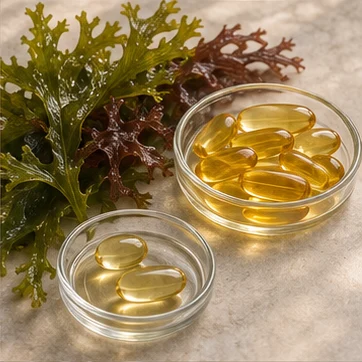
Fish oil vs. algae oil: compare the EPA and DHA
Algal oil can deliver EPA and DHA. See what a direct blood-level study found, why formulations differ and how to compare two labels fairly.
Magnesium glycinate vs. citrate: sleep, constipation and the label
Does glycinate help sleep more than citrate? Compare a four-week sleep trial, citrate’s laxative use and the elemental magnesium on each label.
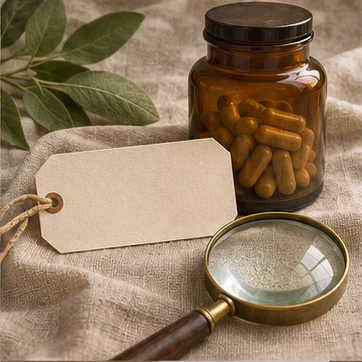
How to read a Supplement Facts label
Learn to read a U.S. supplement label, calculate the amount in one capsule, interpret % Daily Value and spot what a proprietary blend leaves out.
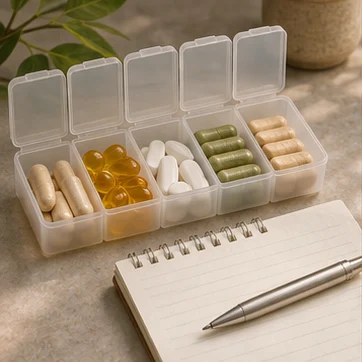
Supplement interactions: questions to ask your pharmacist
Bring the right details to a pharmacist and ask about drug interactions, duplicate ingredients, timing, monitoring, and what to do when evidence is missing.
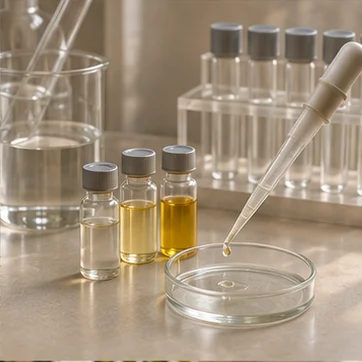
What third-party supplement testing really means
Check who tested a supplement, which batch or product the evidence covers, how to read a certificate of analysis and what USP or NSF marks establish.
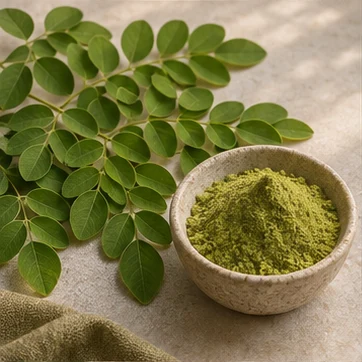
Does moringa lower blood sugar in adults?
Outcome reviews for fasting glucose and HbA1c.
Sleep
Understand the difference between a small questionnaire improvement and proven treatment for persistent insomnia. Sleep and stress claims need different outcomes.
Cardiovascular health
Prevention, triglyceride treatment, and changes in biomarkers are different questions. Formulation and baseline risk help explain why omega-3 trial results differ.
Blood sugar
Glucose and HbA1c are useful markers, but changing a marker does not automatically show fewer complications. Supplements should not replace diabetes care.
Cognitive performance
Separate memory tasks, everyday functioning, and treatment of cognitive disease. A promising mechanism does not establish meaningful improvement.
Exercise recovery
Better performance, less soreness, and healing are different outcomes. Our creatine guide distinguishes established exercise context from the cognitive trial it examines.